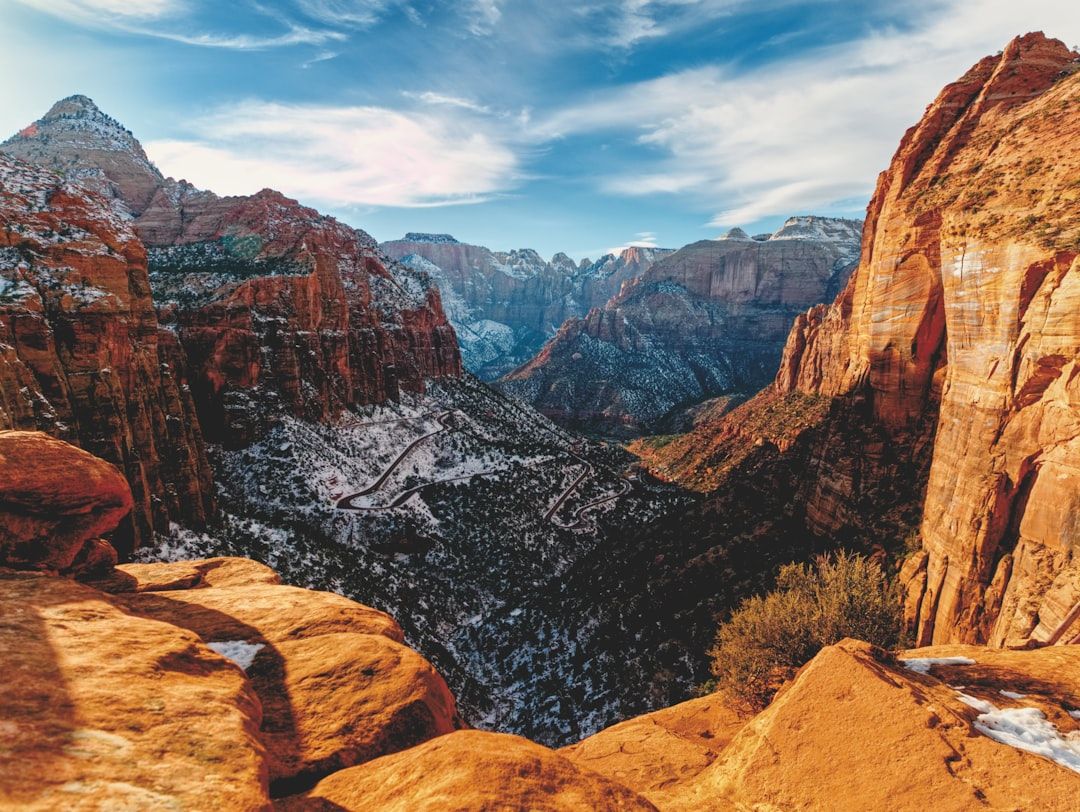
Over the past three years I've stayed at more than 50 glamping sites across 15 countries. At each one, I asked the owner the same question: "What do you wish guests knew before they booked?" This is what 12 of them told me — the answers that surprised me, the one thing they all agreed on, and the advice I now follow every time I book.
The One Thing They All Agreed On
Twelve owners, six countries, sites ranging from a €45 dome in Portugal to a €600 safari tent in South Africa. The one thing every single one of them said, in some form, was this: read the listing before you book, and if you're not sure about something, ask.
Not one of them was annoyed by questions. All of them were annoyed by guests who arrived and were surprised by something that was clearly stated in the listing — the bathroom was shared, the WiFi didn't reach the tent, the road was unpaved, the stove needed to be lit. Pina, the Tuscan vineyard owner I wrote about in the Airstream article, put it bluntly: "They book the photo, not the description. Then they complain about the description."
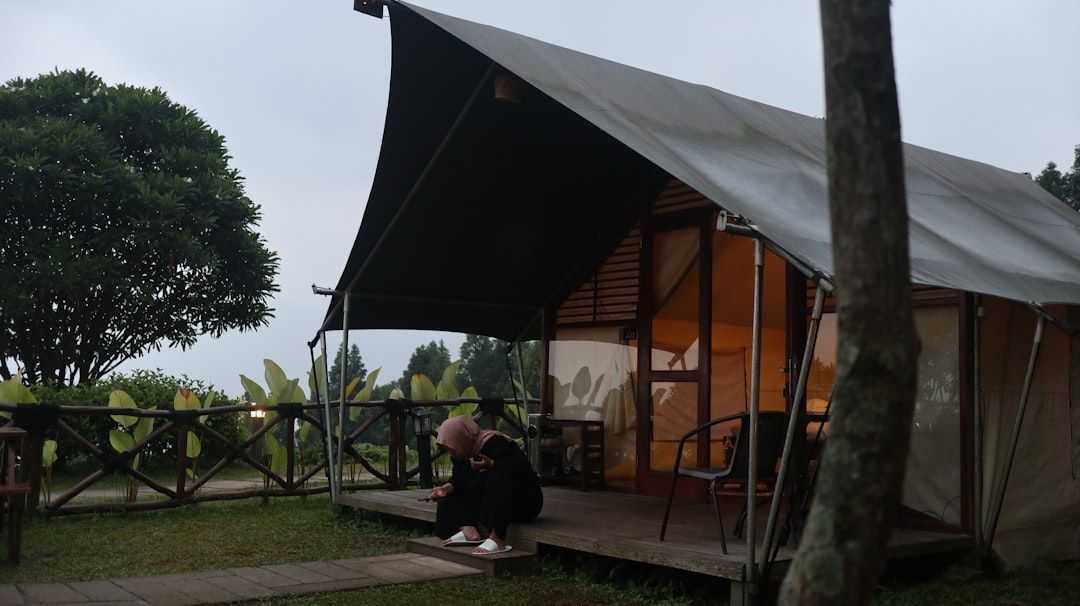
What Owners Wish You'd Ask Before Booking
I asked each owner what questions they wish guests would ask. Here are the five that came up most often:
1. "Where exactly is the bathroom, and is it private?"
Seven of the twelve said this is the number one source of guest disappointment. "En-suite" in a glamping listing can mean anything from a full bathroom inside the tent to a canvas cubicle to a porta-cabin 40 meters away. Ask for a photo of the bathroom and the distance from the sleeping area. If the owner can't provide one, that's information.
2. "What's the heating, and do I need to do anything?"
Wood stoves need feeding. Electric heaters trip breakers. Underfloor heating is set by the owner, not the guest. Five owners said guests arrive in cold weather expecting the tent to be warm and discover they need to light and maintain a stove. Ask what type of heating, whether it's automatic or manual, and what the nighttime temperature in the tent typically is.
3. "Is there WiFi, and does it reach the tent?"
Four owners mentioned this. "WiFi available" on a listing often means WiFi in the reception building, not in the tent. If you need connectivity for work or navigation, ask specifically: "Can I get WiFi from inside the tent?" If the answer is vague, assume no.
4. "What's the access like, and what kind of car do I need?"
Six owners said guests arrive in small cars on roads that aren't suitable. Rural glamping sites often sit at the end of unpaved tracks that flood, freeze, or become impassable in certain weather. Ask: "What's the last kilometer of road like, and do I need a 4x4?" In summer, the answer might be "any car is fine." In winter, it might be "4x4 with winter tyres, no exceptions."
5. "What type of guest is this site right for, and who would be disappointed here?"
This was the question that got the most enthusiastic responses. Owners want to tell you this. They know their site isn't for everyone, and they'd rather you find out before you arrive. The owner of a luxury dome site in Iceland said: "If you ask me that, I'll tell you it's not for families with young children, it's not for people who need a TV, and it's not for anyone who can't handle wind. If you're none of those, you'll love it. If you are, please book somewhere else — it's better for both of us."
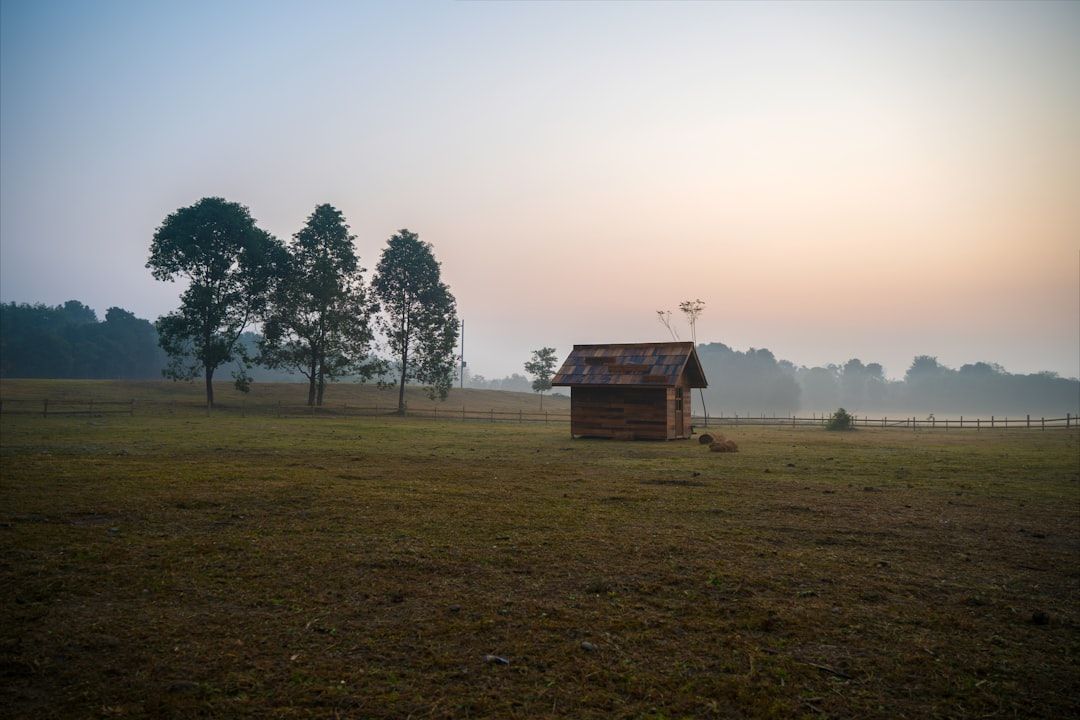
What Owners Said About Bad Guests
I asked each owner about their worst guest experience. I expected stories of damage or noise. What I got was more nuanced:
The hotel expectation. The unanimous complaint was guests who expect hotel-level service. "They wanted daily towel changes," said a dome owner in Portugal. "They called at 11pm asking where the room service menu was," said a safari tent owner in South Africa. "They left a one-star review because we didn't have a concierge," said a yurt owner in Wales. Glamping is outdoor accommodation with comfort. It is not a hotel in a tent. If you want hotel service, book a hotel.
The photo disappointment. Three owners mentioned guests who were upset that the site didn't look like the photos. The photos were accurate — they were just taken in golden hour in September, and the guest arrived in rain in November. "I wish I could show guests what the site looks like at noon on a grey day," said the Welsh yurt owner. "They'd still book, but they'd pack differently."
The review threat. Four owners said guests use the threat of a bad review to get upgrades or refunds. "They arrived, said the tent was smaller than it looked online, and said they'd leave a bad review unless I upgraded them to the luxury tent," said a French dome owner. "I upgraded them because I can't afford a bad review. But it's extortion, and it happens more than you'd think."
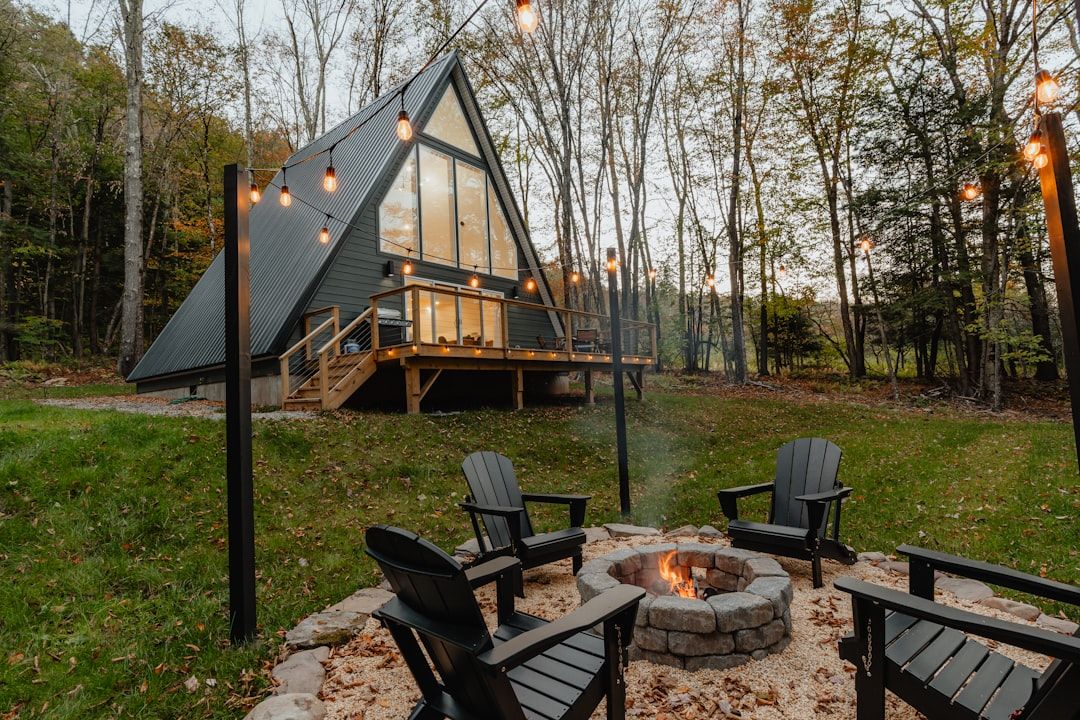
What Owners Said About Good Guests
I also asked about their best guests, and the answers were consistent across all twelve:
Good guests arrive with the right expectations. They've read the listing, they know what they're getting, and they're not surprised by a shared bathroom or a wood stove that needs lighting. "My best guests are the ones who message me before booking and ask three questions," said the South African owner. "Those guests always have a good time because they chose the right place."
Good guests are self-sufficient. They bring a headlamp, a book, and the right clothes. They can make a fire, cook a simple meal, and entertain themselves without WiFi. "The guests who bring books are always the best," said the Welsh owner. "They don't need me to entertain them. They just need the view and the silence."
Good guests leave the site as they found it. They take their rubbish, they don't break things, and they stack the firewood for the next guest. "One guest left me a hand-written thank-you note and a bottle of wine from their region," said the French owner. "That note meant more than the five-star review."
The Advice I Now Follow Every Time
After these conversations, I've changed how I book glamping. Here's my checklist, built from what 12 owners told me:
1. I read the full listing, not just the photos. I look for the bathroom description, the heating description, the WiFi description, and the access description. If any of these are vague, I ask.
2. I message the owner with three questions before booking. Bathroom, heating, access. If the owner doesn't respond within 24 hours, I book somewhere else — a non-responsive owner before booking is a non-responsive owner during the stay.
3. I ask: "Who would be disappointed here?" If the owner can't answer, I'm cautious. Good owners know their site's limitations and will tell you.
4. I bring a headlamp, a physical book, and more food than I think I need. Every owner mentioned self-sufficiency as a trait of good guests. I'd rather over-prepare than arrive dependent on amenities that may not exist.
5. I leave a note and a small gift. A bottle of wine from my region, a local specialty, or just a handwritten thank-you. Owners are people running small businesses in remote places, and a gesture of appreciation goes further than any review.

Booking: where to look
We may earn a commission from the links below, at no extra cost to you. We only list services we would use ourselves.
- QEEQ — Car hire comparison with price drop alerts
- Auto Europe — Car hire across Europe and the UK
- Airalo — eSIM data the moment you land, no SIM swap
- Saily — Travel eSIM with per-country plans
The Owner I'll Remember Longest
The last owner I interviewed was Hassan, the Berber guide in Morocco I wrote about in the desert camp article. I asked him what he wished guests knew, and he said: "I wish they knew that the silence is not empty. The silence is full. It is full of the desert, the sky, the wind. But they are afraid of it. They bring music, they bring phones, they talk. If they would sit with the silence for one night, they would understand. But most of them only stay one night, and one night is not enough."
He's right. One night is not enough — not in the Sahara, not in Sognefjord, not in a yurt in Wales. Glamping is not a hotel stay where you arrive, sleep, leave. It's an experience that needs time to work. The second night is when you stop checking your phone. The third night is when you start to hear the silence. If you can, book three nights minimum. The owners will tell you the same thing. They've been watching guests figure it out for years.