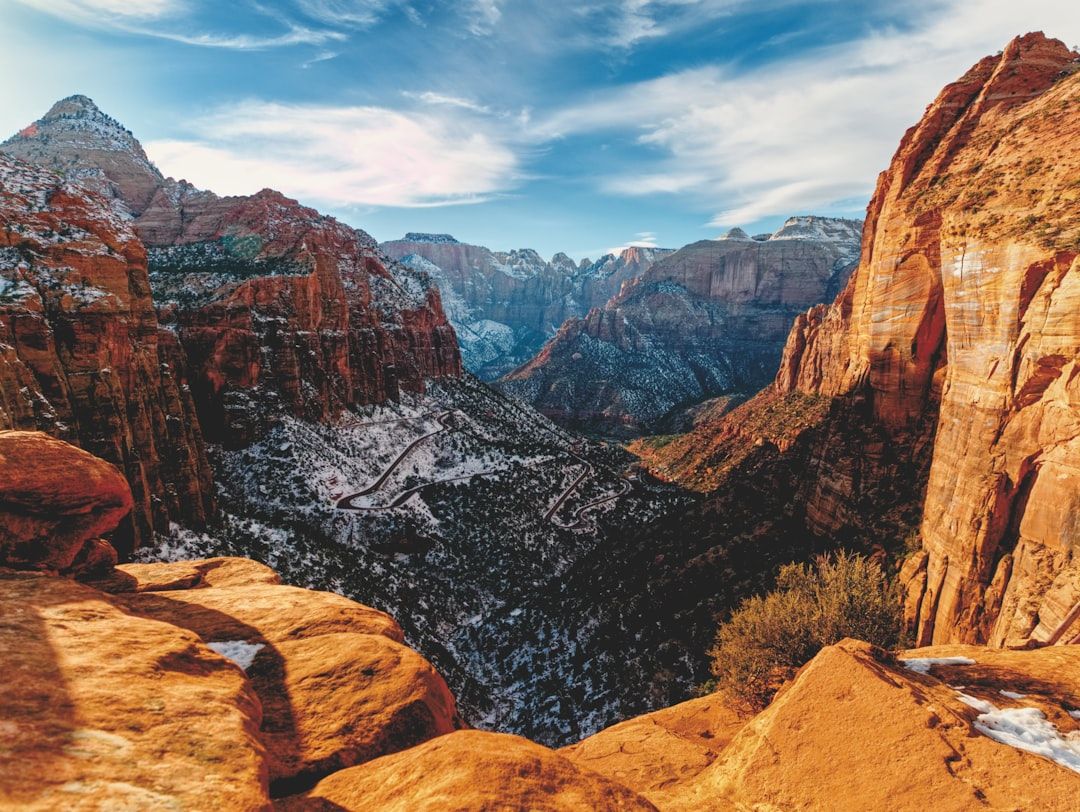
I booked the cabin because of the sauna. The listing said "badstue med utsikt" — sauna with a view — and the photo showed a wooden bench inside a sauna with a full-width window facing a wall of grey ice and black rock that I later learned was the Jostedalsbreen glacier. I didn't know anything about Sognefjord before I went. I knew I wanted silence, a sauna, and a view, and the listing promised all three for 2,100 NOK per night in February. Here's what four nights actually gave me.
The Drive: Bergen to Sognefjord in February
I picked up a rental Volvo XC40 in Bergen with studded tyres — mandatory in rural Norway in winter, and the rental company included them without asking. The drive to the cabin took three hours on Route 55, which is one of Norway's national scenic routes and which in February is also one of Norway's most beautiful empty roads. I passed four cars in three hours. The road follows the Sognefjord west, then climbs through a valley where the snow was two meters deep on either side and the only color was the orange of a farmhouse window a kilometer away.
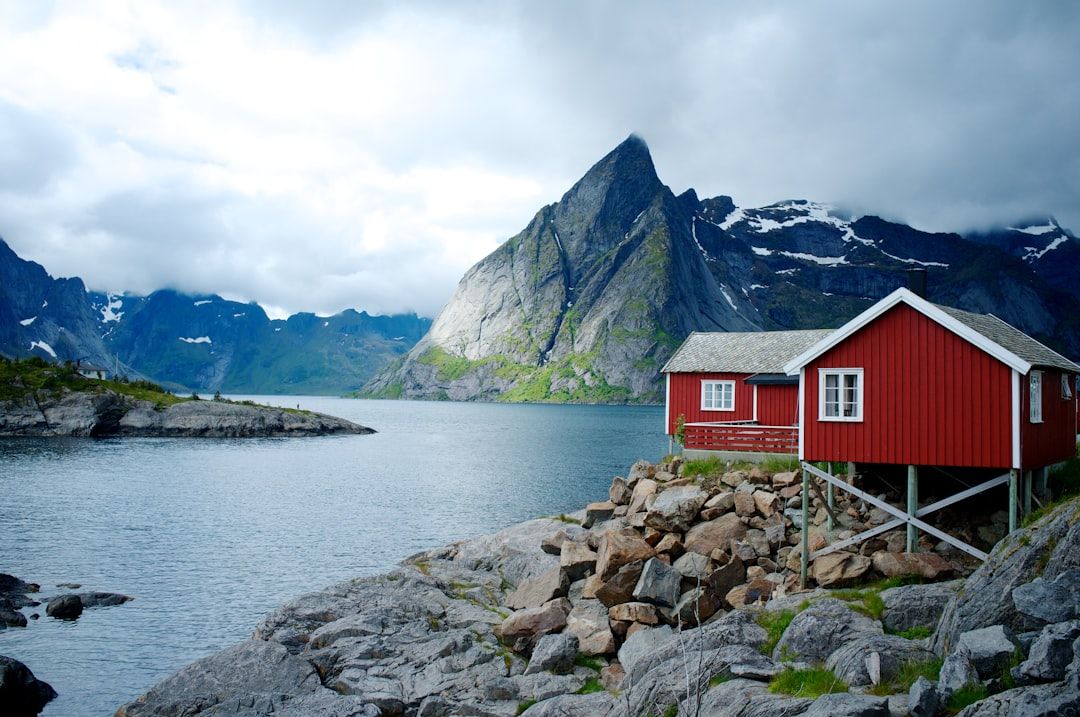
The last 2 kilometers to the cabin were an unplowed gravel track with fresh snow. The Volvo handled it, but slowly. I arrived at 4pm — already dark — and found the cabin by its porch light: a timber structure with a turf roof, maybe 60 square meters, sitting on a ledge above the fjord with nothing between it and the water except a drop and a birch tree. The key was in a lockbox. The instructions were in Norwegian and English. The firewood was stacked on the porch.
Inside: What 2,100 NOK/Night Buys in February
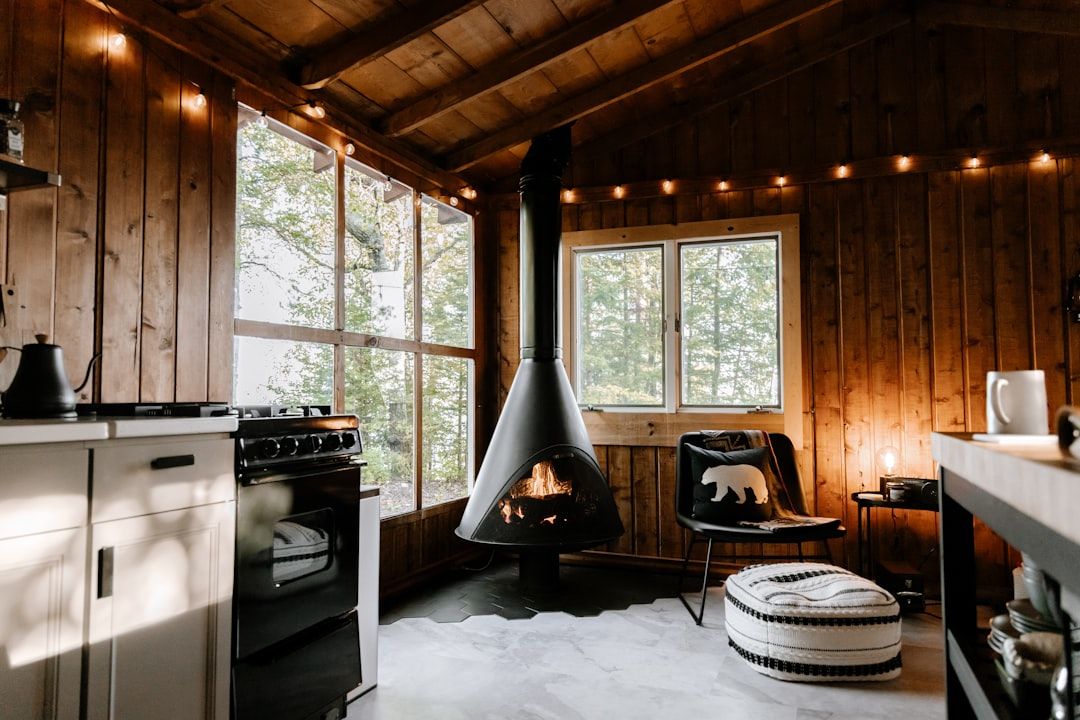
The cabin was a single room with a loft. Downstairs: a kitchen with a wood stove, a dining table, a sofa, and a bathroom with a shower and a flushing toilet. Upstairs: a sleeping loft with a double bed under a skylight. The walls were unpainted pine. The floor was heated. The kitchen had a two-ring gas hob, a small fridge, and a Norwegian coffee kettle that I used six times a day. There was no WiFi. There was no cell signal for the first 12 hours, until I found a spot on the porch where Telenor gave me one bar, enough for a text and nothing else.
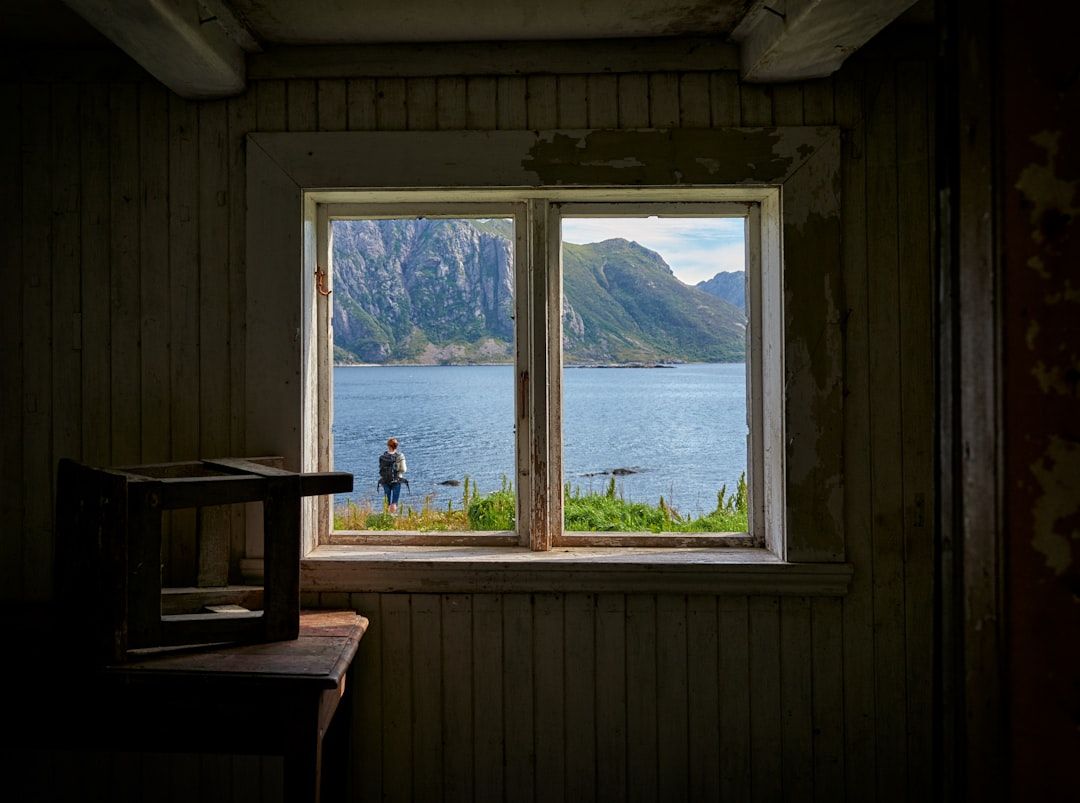
The sauna was a separate small building 10 meters from the cabin — a traditional Norwegian badstue, wood-fired, with a bench for two and the window I'd seen in the photo. The window faced west, toward the glacier, and at 5pm in February the last light hit the ice and turned it blue for about twenty minutes before the sun dropped behind the mountains. I lit the sauna every evening at 4:30 and sat in it from 5 to 5:30, and those thirty minutes were the reason I booked the cabin and they were worth every krone.
The Silence: The Thing I Didn't Expect
I expected the view. I expected the sauna. I did not expect the silence, and the silence was the thing that changed me. I've been to quiet places before — rural Portugal, the Sahara, the Scottish Highlands — but Sognefjord in February is a different category of quiet. There is no wind at night in the valley. There is no traffic. There are no planes overhead. There are no animals — the birds have gone south and the deer are in the forest. There is no hum of electricity, because the cabin runs on solar and battery. There is just... nothing. A nothing so complete that I could hear my own heartbeat in the pillow on the first night, and it scared me for about ten seconds before I understood that it was my heart and I was fine and the silence was not a threat, it was just the absence of noise, and I had never actually experienced that before.
By the third night I could hear the fjord — a sound I didn't know water made, a slow, deep breathing as the tide shifted the ice. I could hear the cabin contracting in the cold, a soft tick every few minutes as the timber adjusted. I could hear snow falling on the turf roof, which is not a sound I can describe except to say that it's the gentlest sound I've ever heard. I lay in the sleeping loft with the skylight open and listened to it for an hour on the third night and I cried, which is not something I do, and I'm not going to explain why because I don't fully understand it. The silence was that profound.
What I Did During the Days
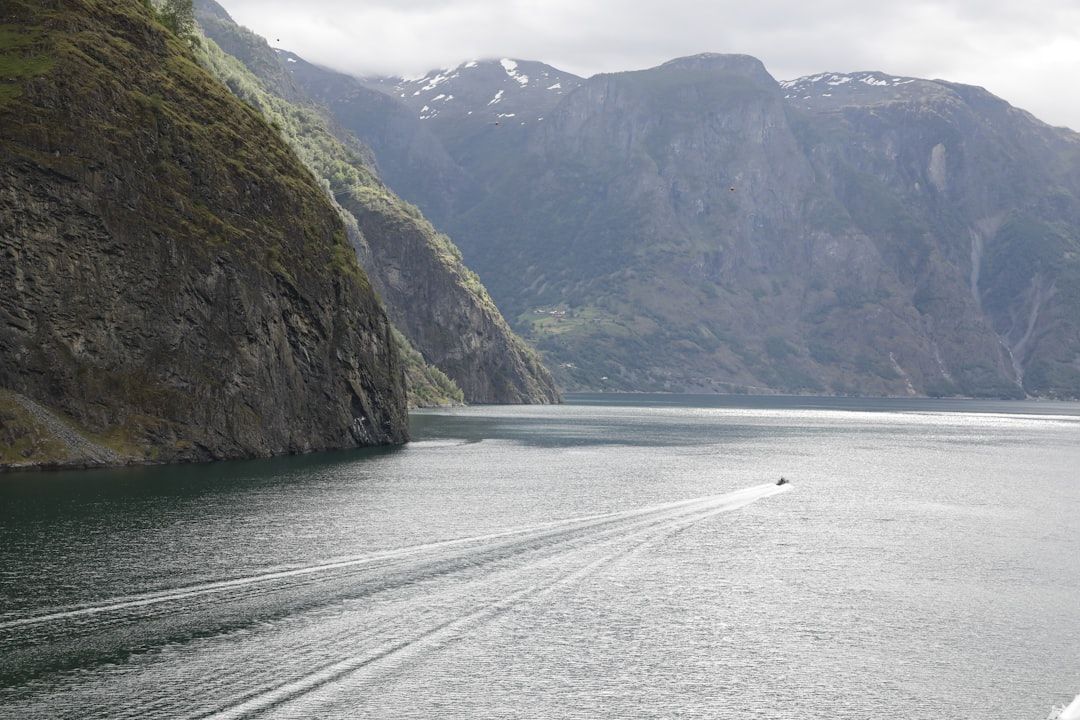
Not much, and that was the point. I walked. The road ended at the cabin and continued as a footpath along the fjord for about 4 kilometers before it climbed into the forest. I walked it twice a day — once in the morning, once at noon — and saw no one. The snow was untouched except for fox tracks that crossed the path in three places. I cooked. I'd brought food from Bergen — bread, cheese, cured lamb, apples, coffee, wine — and I made simple meals on the wood stove. I read three books. I wrote in a notebook. I took photos with a camera I'd brought and didn't know how to use, and by the fourth day I'd figured out the exposure well enough to capture the blue hour, which is the one thing I wanted to bring home.
On the second day I drove 20 minutes to a village that had a cafe and a shop, and I bought more wine and a Norwegian newspaper I couldn't read. The cafe was warm and the woman behind the counter spoke English and asked me why I was there in February, and I said "for the silence" and she nodded and said "yes, the silence is why we live here" and that was the longest conversation I had in four days.
The Cost: Full Accounting
Here's what four nights actually cost me, all in:
- Cabin: 2,100 NOK/night × 4 = 8,400 NOK (£620)
- Firewood: included
- Electricity: included (solar + battery)
- Cleaning fee: 600 NOK (£45), mandatory
- Rental car (Volvo XC40, 5 days): 4,500 NOK (£335), including studded tyres and full insurance
- Petrol: ~800 NOK (£60)
- Food (from Bergen supermarket): ~1,200 NOK (£90)
- Wine: 400 NOK (£30) — Norway alcohol prices are brutal
Total for 4 nights: ~15,900 NOK (£1,180) — or about £295/night all-in for one person. Split between two, it's £148/night per person, which is less than a fjord-view hotel in Bergen and infinitely more private.
Booking in Sognefjord: where to look
We may earn a commission from the links below, at no extra cost to you. We only list services we would use ourselves.
- QEEQ — Car hire comparison with price drop alerts
- Auto Europe — Car hire across Europe and the UK
- Airalo — eSIM data the moment you land, no SIM swap
- Saily — Travel eSIM with per-country plans
Would I Go Back?
Yes, but I'd change two things. I'd go in September instead of February, because the road to the cabin would be easier, the days would be longer, and the fjord would be liquid instead of ice — a different kind of beautiful. And I'd go for a week instead of four nights, because four nights was enough to understand the silence but not enough to stop thinking about work. A week would have let me actually stop. Four nights got me close.
If you're considering this kind of stay — a cabin, a sauna, a fjord, winter — do three things: book a 4x4 with studded tyres, bring more food than you think you need (the nearest shop may be 30 minutes away and close at 6pm), and bring a physical book and a notebook. You will not have WiFi. You will not have cell signal. You will have silence, and a sauna, and a window that faces a glacier, and if you're the kind of person who needs that, it's worth every krone. I'm already saving for next year.