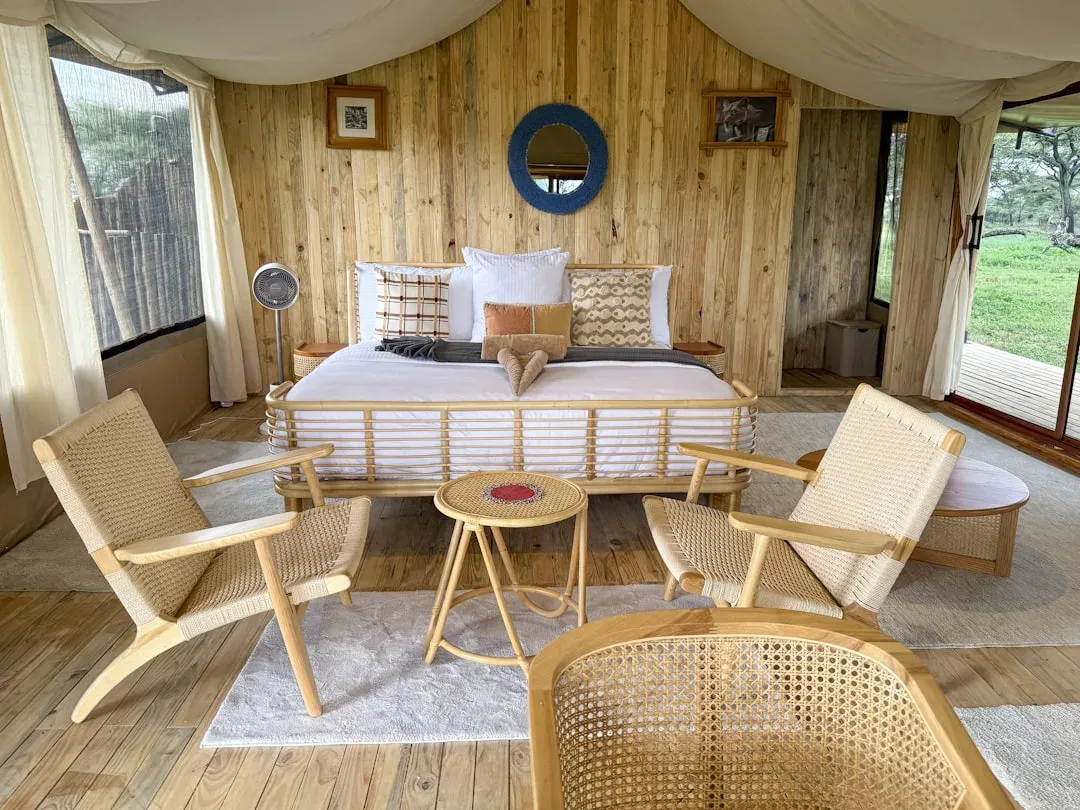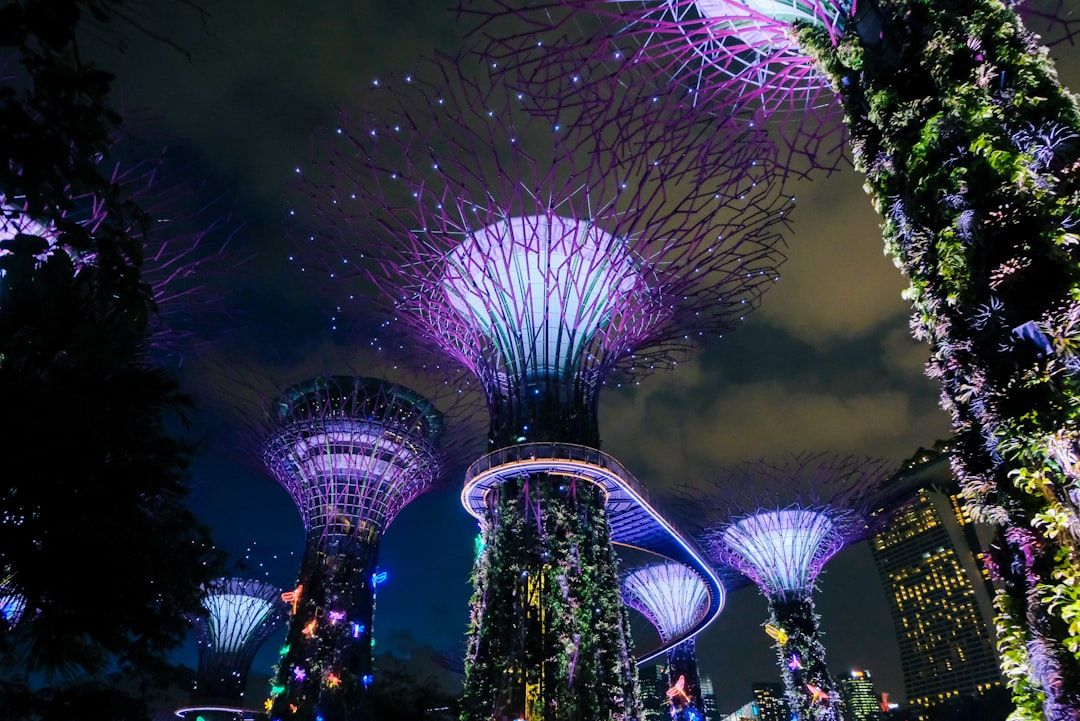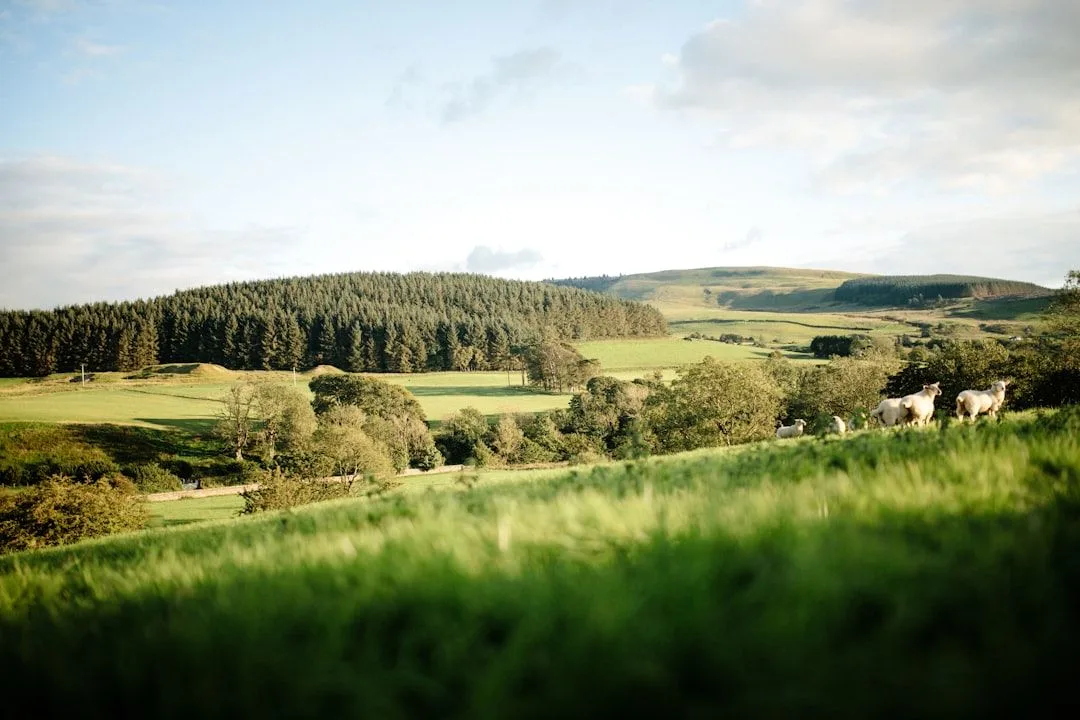
Bali did more than anywhere to turn glamping into an image. The transparent dome on a jungle ridge, mist in the valley, a private pool at the edge — that photograph is from Bali more often than not. The sites exist and some are excellent. The gap between the picture and the night, though, is wider here than in most places, and it is almost always about heat.
The greenhouse problem
A transparent bubble in the tropics is a greenhouse. Bali sits eight degrees south of the equator; direct sun on a clear dome pushes the interior well past comfortable by mid-morning, and a poorly ventilated unit stays warm long after dark.
Good operators solve this: tinted or reflective film, an air conditioning unit sized for the volume, cross ventilation, and shade from the tree canopy. Bad operators sell the view and let you find out.
So the single question that decides your stay: is the unit air conditioned, and is the AC included or charged extra? If a listing will not answer plainly, that is the answer.
What things cost
| Type | Per night | USD |
|---|---|---|
| Bamboo hut / simple tent | IDR 500k–900k | $32–58 |
| Safari tent with bathroom | IDR 900k–1.6m | $58–105 |
| Jungle bubble / design dome | IDR 1.5m–3.5m | $95–225 |
| High-end tented villa | IDR 3.5m–7m | $225–450 |
By international glamping standards these are low, which is why the production values are so high — the same budget buys far more here than in Europe.
Where to go
The Ubud ridges. The valleys around Payangan, Tegallalang and the Ayung river are where most of the famous properties sit. Genuinely beautiful, and close enough to Ubud for restaurants and yoga if you want them.
The cost is traffic and crowds. Ubud is busy, the road north is slow, and the rice terraces at Tegallalang have an entrance economy built around photographs. Stay on the ridges, visit the town briefly.
Sidemen. The east, in the shadow of Mount Agung. The same terraced valley landscape that made Ubud famous, with a fraction of the visitors and noticeably lower prices. This is the recommendation for anyone who has been to Bali before, or who is coming for the landscape rather than the scene. You need a car or scooter; there is little walkable infrastructure.
The coast. Amed in the northeast for quiet, black sand and diving; the Bukit peninsula in the south for clifftops and surf. Coastal tented stays trade jungle mist for sea breeze — which, in the heat, is not a bad trade at all.
Munduk and the north, higher and cooler, with waterfalls and coffee plantations. Genuinely chilly at night, which after a week in the lowlands is a relief.
What the photos leave out
Noise. Bali's soundtrack at night is insects, frogs, dogs and, before dawn, roosters. Rural sites are loud in a way city visitors do not anticipate. Earplugs.
Access. Ridge properties are frequently at the bottom of a steep path or a long flight of steps. With a large suitcase, in heat, this matters. Ask.
Mosquitoes at dusk. Screening and a net are non-negotiable in the valleys. Dengue exists in Bali and is not rare.
The pool is often shared, or is a small plunge pool, even where the photograph implies otherwise.

Timing
April to October is dry season. May, June and September are the best combination of weather and relative quiet — July and August are peak and priced accordingly.
November to March brings heavy afternoon rain. Open-sided bamboo structures become impractical, humidity is relentless, and ridge sites spend a lot of time inside cloud. The rates drop for a reason.
The verdict
Bali is one of the best value glamping destinations on earth, and the good properties are very good. Book an air-conditioned unit, consider Sidemen over Ubud, bring earplugs and a mosquito plan, and go in the dry season. Do that and the photograph and the night finally match.