The Packing List I Wish I'd Had on Trip One
On my first glamping trip, I packed like I was going camping: a sleeping bag, a camping stove, a water bottle, and three changes of clothes. Half of it was unnecessary, and I forgot the things that actually mattered — slippers, a head torch, and a hot water bottle.
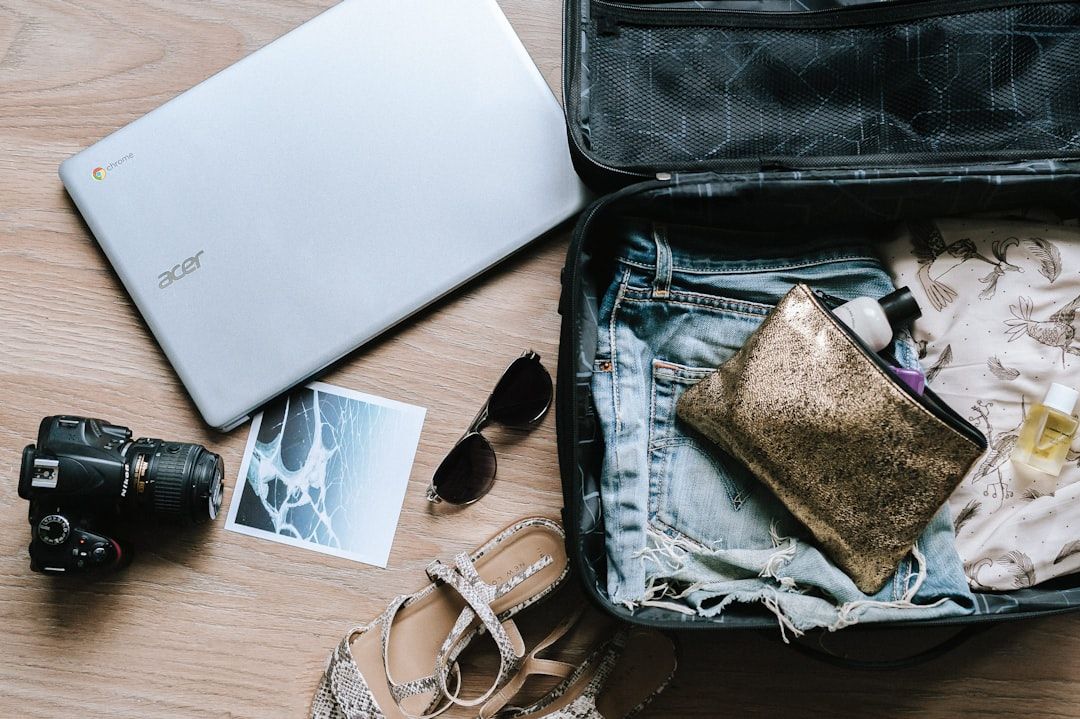
Twelve trips later, I've got the weekend packing list down to a science. Everything fits in one weekend bag and one small backpack. Here's exactly what I bring, what it costs, and why.
Clothing — Pack for Layers, Not Outfits
Glamping isn't a fashion show. You're going to be outdoors, possibly muddy, and sitting by a fire. Pack for comfort and temperature changes, not for photos.
Daytime:
- 2x t-shirts (one per day, plus a spare)
- 1x long-sleeve shirt (for sun protection or warmth)
- 1x fleece or warm jumper (essential for evenings)
- 1x pair trousers (quick-dry fabric, not jeans — jeans stay wet for hours if it rains)
- 1x pair shorts (summer only)
Evenings:
- 1x warm base layer (merino wool top and bottom, £45 from Decathlon)
- 1x down jacket (packable, £60-£120 depending on brand)
- 1x beanie hat (£8)
What I don't bring: A second pair of trousers. A dress or smart outfit. More than two t-shirts. A spare pair of shoes beyond walking shoes and sandals.
Footwear — Two Pairs Maximum
1x waterproof walking shoes or boots. Essential. Glamping sites are rural, and the ground gets muddy after rain. I use Merrell Moab 3 boots (£95) — they're waterproof, comfortable, and have lasted 18 months of regular use. For summer sites, waterproof trail running shoes (£60) are lighter and cooler.
1x sandals or flip-flops. For inside the yurt/tent and for shower use if the bathroom is shared. I bring cheap flip-flops (£5) that I don't mind leaving behind.
Slippers or thick wool socks. Yurt floors are cold in the morning. I bring wool socks from M&S (£8 for three pairs) and leave them in the yurt if there's space. Slippers (£15) are better if you have them.
Lighting — Don't Rely on the Site
1x head torch. The single most important item on this list. Midnight bathroom walks, finding the fire pit in the dark, reading in bed without waking your partner — a head torch does all of this. I use the Petzl Tikkina (£20). It's not the brightest, but it's reliable, lightweight, and the batteries last for weeks.
1x rechargeable lantern. For ambient light indoors. The BioLite AlpenGlow 500 (£65) is my pick — warm light mode for evenings, bright mode for cooking. If that's too expensive, the Vango Star 250 (£18) is a decent budget option.
1x power bank. 10,000mAh minimum. You'll need it to charge your phone and your lantern. I use an Anker PowerCore 10,000 (£25) — it charges a phone 2-3 times and weighs 180g.
Comfort — The Items That Make the Trip
1x hot water bottle. £8 from any pharmacy. This is the item I tell everyone about. A hot water bottle in bed at 10pm when the yurt is 12°C is life-changing. I fill it from the kettle before the stove dies down, and it stays warm until morning.
1x sleeping bag liner. Silk (£35) or cotton (£12). Adds a layer of warmth and means you're not sleeping directly on site-provided sheets. I prefer silk — it packs to the size of an apple and adds 3-4°C of warmth.
1x travel pillow. Most glamping sites provide pillows, but they're often flat or synthetic. I bring an inflatable Sea to Summit Aeros pillow (£30) that packs to fist-size and is genuinely comfortable.
Kitchen — Only If There's No Kitchen
Check before you pack. If the site has a kitchen (most glamping yurts and safari tents do), you only need food. If there's no kitchen, bring:
1x cool bag. £15. For keeping milk, cheese, and beer cold. Buy ice from the site shop or a local supermarket.
1x camping stove. Only if the site has no cooking facilities. A single-burner gas stove (£20) plus gas canisters (£4 each) is enough for a weekend.
1x kettle. A travel kettle (£12) if the site doesn't have one. Tea is non-negotiable.
Food and Drink — What to Actually Bring
Tea bags. Sites often provide cheap tea that tastes like cardboard. Bring your own — PG Tips or Yorkshire Tea, a box of 40.
Coffee. If you're a coffee person, bring instant or a travel French press (£12) with ground coffee. The site-provided coffee is usually instant and terrible.
Wine. A bottle of red from the supermarket is £8-£12. The same bottle at the site shop or local restaurant is £20-£30. Always bring your own.
Marshmallows and skewers. If the site has a fire pit (most do), this is the highlight of the evening. A bag of marshmallows (£2) and two long wooden skewers (£1) from the supermarket.
Breakfast. Self-catering breakfast is easy: eggs, bacon, bread, butter, and a packet of croissants. £10 covers two people for two mornings.
Booking: where to look
We may earn a commission from the links below, at no extra cost to you. We only list services we would use ourselves.
- QEEQ — Car hire comparison with price drop alerts
- Auto Europe — Car hire across Europe and the UK
- Airalo — eSIM data the moment you land, no SIM swap
- Saily — Travel eSIM with per-country plans
The Full List — What It All Costs
If you're starting from scratch, here's what the full packing list costs:
Essentials (buy once, use forever):
- Head torch: £20
- Rechargeable lantern: £18-£65
- Power bank: £25
- Hot water bottle: £8
- Sleeping bag liner: £12-£35
- Travel pillow: £30
- Waterproof walking shoes: £60-£95
Total one-time investment: £173-£278
Per-trip consumables:
- Tea bags: £3
- Wine: £10
- Marshmallows and skewers: £3
- Breakfast food: £10
- Cool bag ice: £2
Total per trip: ~£28
The one-time investment seems like a lot, but I've used the same head torch, lantern, and power bank for 18 months and 12 trips. Amortised across those trips, it's about £15-£23 per trip — less than the cost of one on-site dinner.