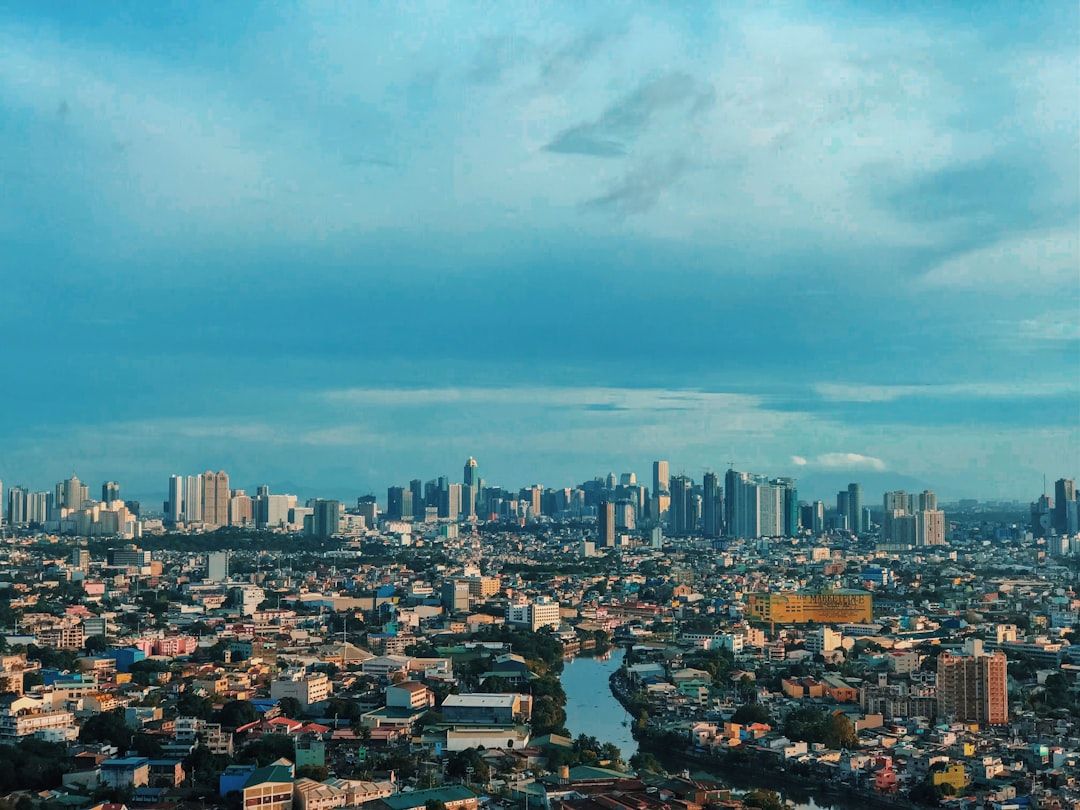
I'd been staring at photos of Under Canvas Zion for two years before I finally booked it. Glass walls, red rock canyon, a bed that looked too clean to be in a tent. The price tag — $420/night for a Stargazer tent in October — made me hesitate three times before I hit confirm. This is what I actually got for that money, and what the Instagram photos don't tell you.
Booking and Arrival: What They Don't Mention on the Website
I booked directly through the Under Canvas site about four months ahead. October in Zion is shoulder season but it's also when the cottonwoods turn gold in the canyon, so Stargazer tents were already filling up. I paid $420/night before tax — with Utah's lodging tax the total came to $483/night, which is the number you should actually budget with.
Arrival is a 25-minute drive from Springdale on a dirt road that my rental sedan handled fine in dry weather. After rain, I'd want something with higher clearance. The check-in tent is exactly what you'd expect — wood floors, a couch, someone handing you a map and a thermos of hot cider. The cider was good. The map mattered more than I expected, because the site is spread across a hillside and finding your tent in the dark is not obvious.
The Tent: What $420/Night Actually Looks Like
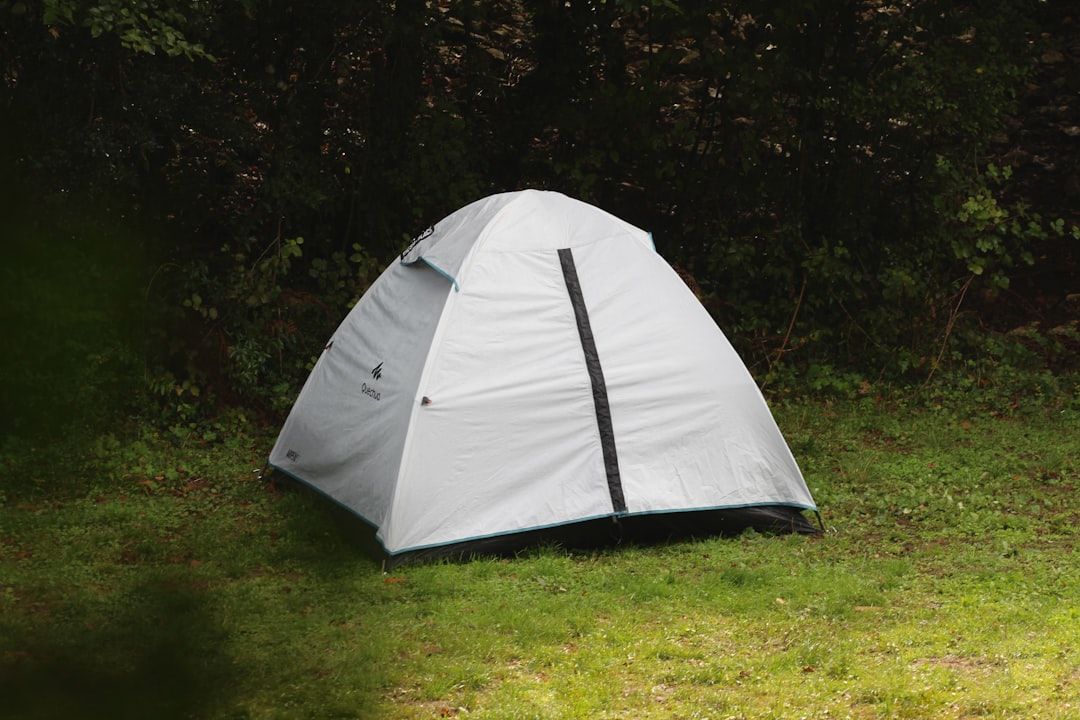
My Stargazer tent was a canvas safari structure on a wooden platform, maybe 250 square feet. The bed was a real queen with proper linens — not a camping mattress dressed up. There was a wood stove in the corner, a small desk, a luggage rack, and a private bathroom with a shower that had actual hot water and decent pressure. The glass roof panel above the bed was the selling point, and on a clear October night it delivered exactly what it promised: I lay in bed and watched stars until I fell asleep.
What the photos don't show: the canvas walls are not soundproof. I heard my neighbors' conversation clearly until about 11pm, and the family in the tent next to mine had a baby who cried at 5am. If you're a light sleeper, bring earplugs. The wood stove works well but you have to feed it — staff will set it up for you in the evening, but by 3am it's out and the tent gets cold. October desert nights dropped to around 40°F. The extra blankets in the closet were the difference between fine and miserable.
What's Included and What Costs Extra
Here's the breakdown of what my $483/night actually covered, and what I paid on top:
- Included: The tent, private bathroom, hot water, linens, wood stove setup, breakfast (coffee, pastries, hot oats, eggs), WiFi in the main lodge, parking.
- Extra: Dinner at the on-site restaurant ($45–70/person), guided activities ($80–200), alcohol, the s'mores kit they offer at the fire pit ($12, and worth it).
- Not mentioned upfront: The drive to the park entrance every morning. Under Canvas runs a shuttle but only at set times, and it was full by the time I tried to book it. I drove myself and paid $20/day for park entry.
For three nights, my total spend was: tent $1,449, dinner two nights $130, s'mores and drinks $40, park entry $60, gas maybe $30. Just under $1,700 for one person. Split between two, it's a different conversation — the tent price doesn't change, so a couple pays roughly $1,000/person for a three-night stay including meals.
Zion Itself: Why the Location Matters
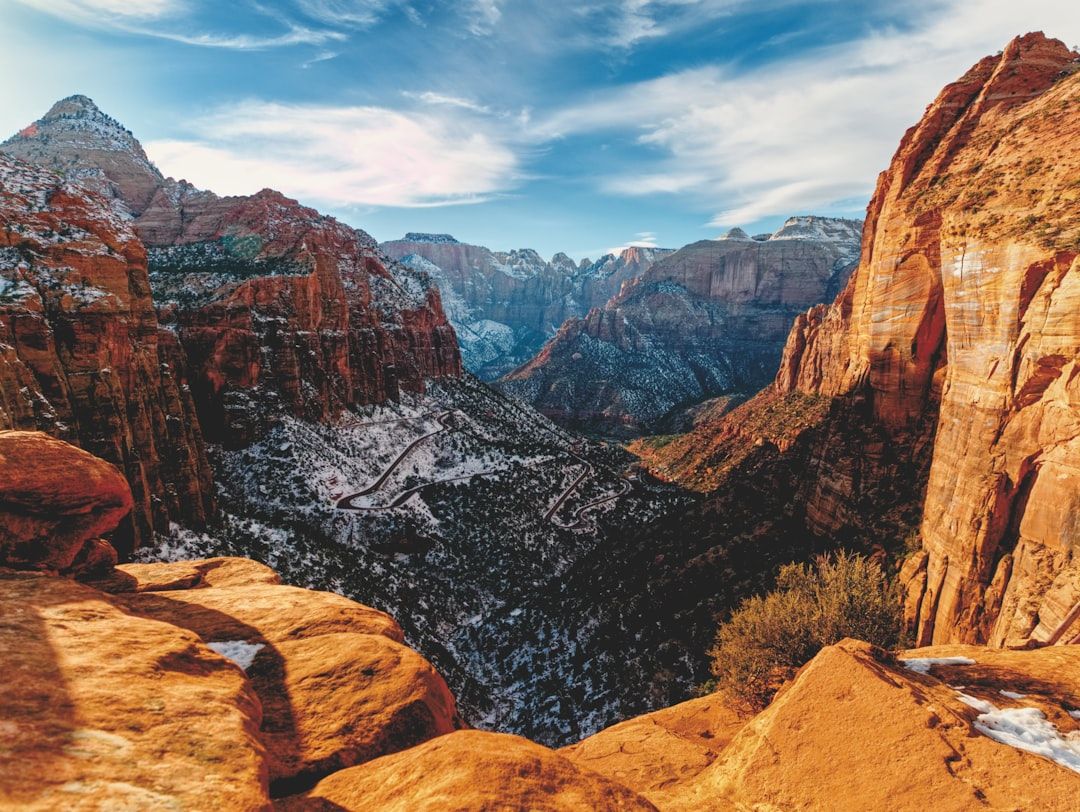
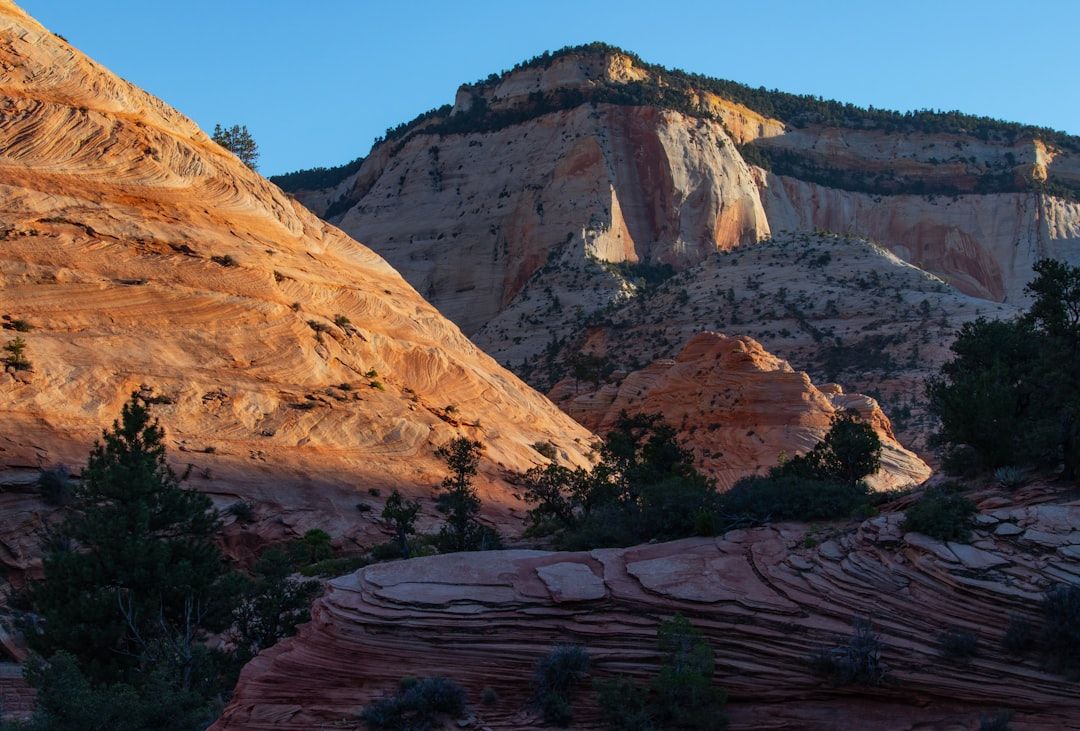
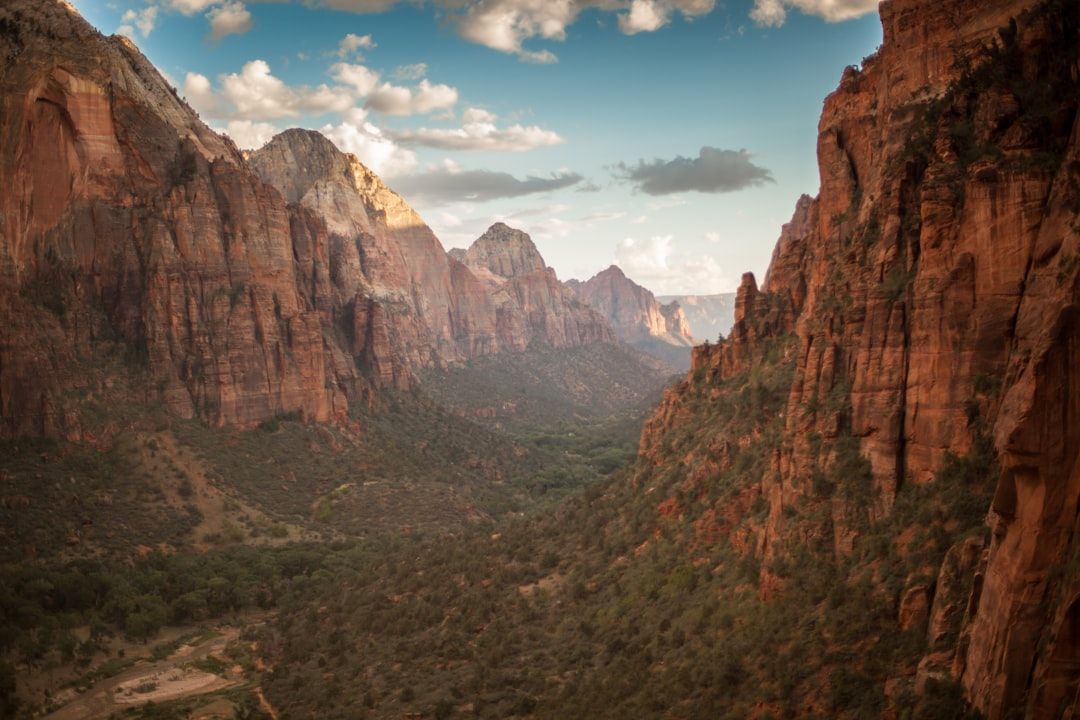
The reason you pay $420/night here instead of $200 at a nice hotel in Springdale is the location. Under Canvas sits on a mesa above the Virgin River valley, and the view from the fire pit at sunset is the kind of thing that makes you understand why people write songs about Utah. The canyon walls go red, then orange, then purple, and you're watching it from a canvas chair with a drink in your hand instead of from a parking lot.
The trade-off is the drive. Springdale is 25 minutes away, and the Zion shuttle entrance is another 10 minutes past that. If you want to be on the first shuttle into the park at 7am — and you do, because Angels Landing permits are easier to get on the early slots — you're leaving the camp at 6:15am in the dark. I did this twice and it was fine, but it's not the leisurely wake-up the marketing implies.
What I'd Do Differently Next Time
Three things, in order of how much I regret not doing them:
Book the shuttle in advance. The morning I tried, it was full for the next two days. Driving yourself is fine but the park parking lot fills by 8am in October, and you end up parking in Springdale and taking the town shuttle to the park shuttle, which adds 30 minutes.
Skip one dinner at camp. The on-site food is good but it's resort pricing for what's essentially a very nice camp kitchen. One night I drove into Springdale and ate at a local spot for half the price and twice the character. I should have done that both nights.
Bring a real headlamp. The pathways between tents are lit with small lanterns but they're decorative, not functional. Walking to the bathroom at 2am in October with just my phone light was a mistake I won't repeat.
Booking in Zion National Park: where to look
We may earn a commission from the links below, at no extra cost to you. We only list services we would use ourselves.
- QEEQ — Car hire comparison with price drop alerts
- Auto Europe — Car hire across Europe and the UK
- Airalo — eSIM data the moment you land, no SIM swap
- Saily — Travel eSIM with per-country plans
Was It Worth $420/Night?
Honestly — yes, once. I'd been curious for two years and the experience delivered on the core promise: I slept under stars in a real bed, in the desert, with a view I couldn't have gotten from a hotel room. The bathroom was genuinely nice, the staff were competent without being intrusive, and the location is unmatched.
Would I go back at the same price? Probably not. Now that I know what it is, I'd compare it against two alternatives: a nice hotel in Springdale for $180/night and a day-hike permit, or a cheaper glamping option further from the park. The magic of the first visit was not knowing what to expect. The second visit would be a calculation, and the calculation doesn't favor $483/night.
If you're going to do it once, go in October. The weather is perfect, the crowds are thinner than summer, and the cottonwoods in the canyon turn gold — which is the one thing the photos actually underrepresent.