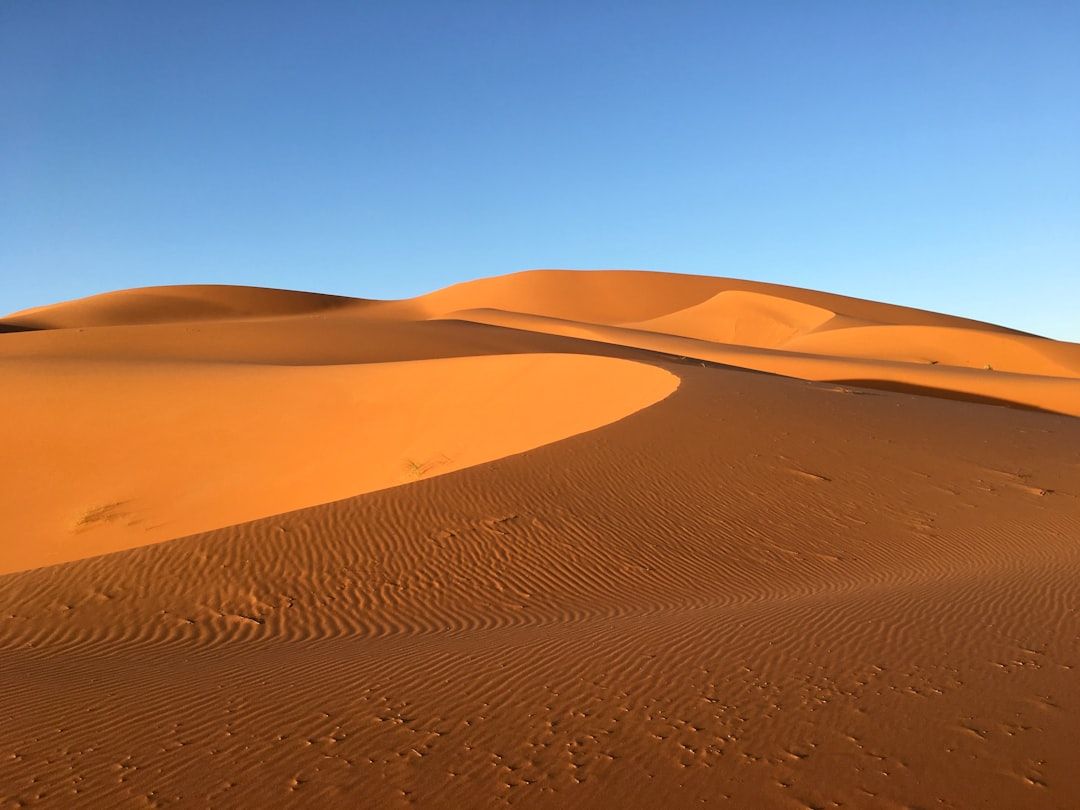
The guide's name was Hassan. He was 54, Berber, born in a village 40 kilometers from Merzouga, and he had been walking camels into the Erg Chebbi dunes since he was nine. At 2am on the second night, sitting outside my tent on a sand dune with a tea he'd brewed over coals, he told me something about silence that I've been turning over in my head for six months. I'll get to that. First, the practical stuff.
The Booking: What €180/Night Actually Includes
I booked through a Moroccan tour operator recommended by a friend who lives in Marrakech. The price was €180/night for a luxury tent at a camp called Sahara Silence, 7 kilometers into the dunes from the nearest road. That price included: 4x4 transfer from Merzouga to the dune edge, a 40-minute camel trek to the camp, dinner (tagine), breakfast, tea, and the tent itself. It did not include drinks beyond water and tea, the tip for Hassan (customary, €10–20), or the bus from Marrakech to Merzouga (€25, 12 hours via CTM coach).
The booking process was a WhatsApp conversation with the operator, who sent photos of the specific tent I'd be in and confirmed the dates. No online booking system. This is normal for desert camps — most are family-run and don't have websites. The deposit was €50 via Western Union, the rest in cash on arrival. If that sounds sketchy, it's not — it's how Morocco works outside the major cities. But bring cash, because there are no ATMs in Merzouga.
The Tent: Better Than I Expected, Worse Than the Photos
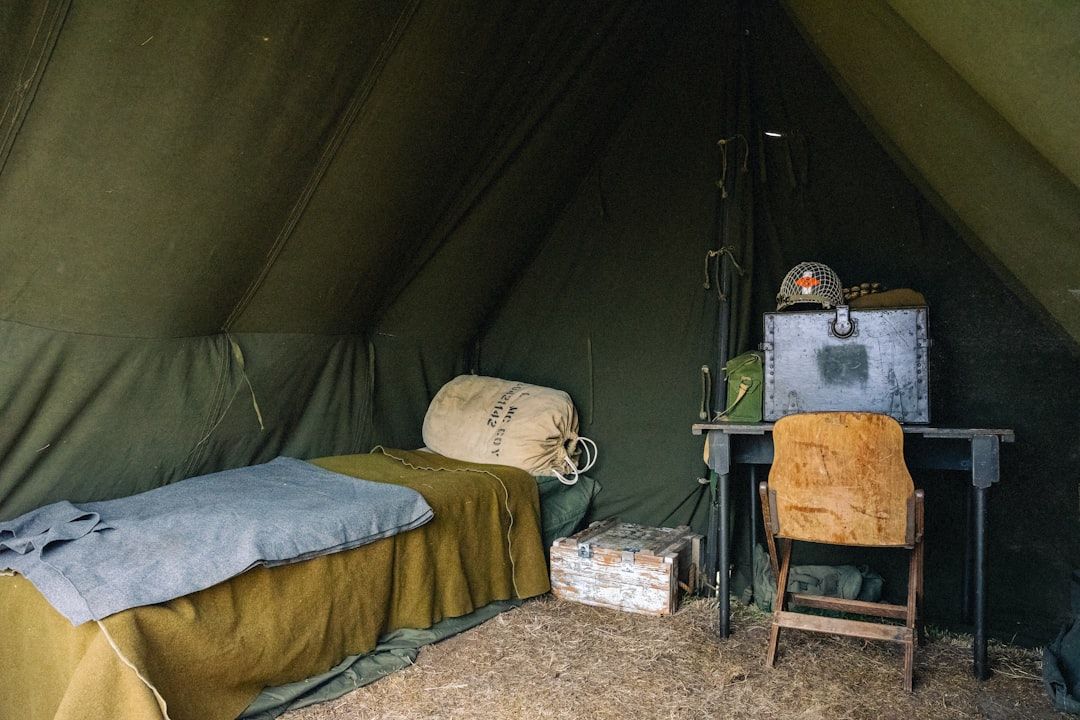
The tent was a large Berber-style canvas structure, maybe 25 square meters, on a concrete platform with a real door. Inside: a double bed with heavy blankets (not linens — blankets, because desert nights in November drop to 8°C), a small table, a kerosene lamp, and a private bathroom with a flushing toilet and a shower that produced hot water for about five minutes. The bathroom was the surprise. I'd been told "en-suite" and I'd assumed "en-suite" in the desert meant a bucket and a curtain. It didn't. It was a real bathroom with tile floors and a drain.
What the photos didn't capture: the tent walls are canvas, and sand gets in. Not a lot, but enough that everything you own will have a fine layer of Sahara on it by morning. The bed was comfortable. The blankets were warm. The lamp gave enough light to read by, which I did. There was no WiFi, no electricity beyond a solar-charged battery the camp used for the kitchen, and no cell signal. This was the point.
The First Night: Dinner, Fire, and Stars I Couldn't Name
Dinner was at 8pm in the central dining tent — chicken tagine with bread, served on a communal table with the other six guests. There were two French couples, a German solo traveler, and me. The tagine was good, not exceptional, but the bread was fresh and the tea was constant. After dinner, Hassan built a fire outside and the staff played drums for about an hour. It was not a performance — it was them playing music they would have played anyway, and we happened to be there. That distinction matters.
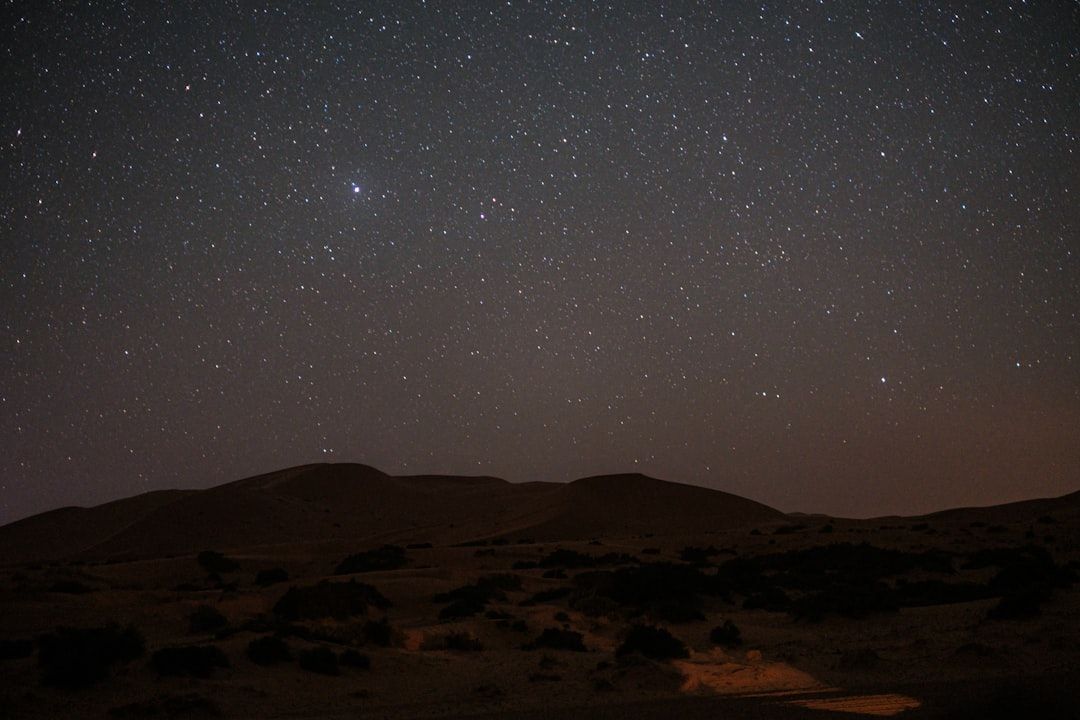
After the fire died, I walked to the top of the nearest dune. The sky in Erg Chebbi at night is the sky I didn't know existed. I could see the Milky Way as a band of actual light, not the faint smudge I'm used to from European countryside. I could see satellites. I could see shooting stars — three in twenty minutes. I sat there until my tea got cold and then I went back to the tent and slept better than I had in months.
The Second Night: What Hassan Said
On the second night, I couldn't sleep. The wind had picked up around midnight and the canvas was flapping, and at 1am I gave up and went outside. Hassan was already there, sitting on a rug near the dead fire, brewing tea. He gestured for me to sit. We sat in silence for maybe twenty minutes, which is something I didn't know you could do with a stranger until a Berber guide in the Sahara showed me.
Then he said, in French that was his third language: "In the city, silence makes people afraid. Here, silence is the thing people come for. But they're afraid of it. They bring music, they bring phones, they talk. The first night, everyone talks. The second night, some are quiet. The third night, they understand."
I asked him what they understand. He said: "That the silence was always there. The city put noise on top of it. When the noise stops, the silence is still there. It was never gone."
I'm not going to pretend this was a spiritual awakening. It was a man who'd been doing this for 45 years saying something he'd probably said a thousand times, in a language he was comfortable in, to a tourist who couldn't sleep. But it stuck. I've thought about it more than I've thought about most things people have said to me in the last year. And I think he was right — not about silence being sacred or whatever, but about the fact that most of the noise in my life is something I put there, not something the world requires.
The Third Day: Camel Trek at Sunset
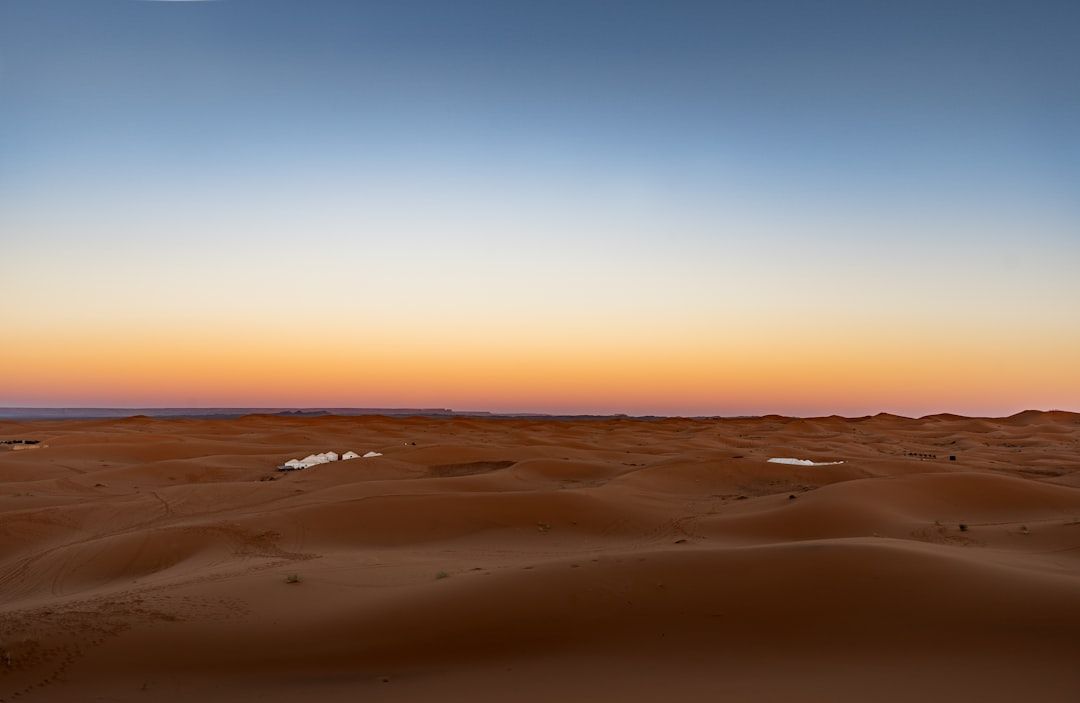
On the last evening, Hassan took me on a camel trek to a dune about 3 kilometers from camp for sunset. The camels are not comfortable. Anyone who tells you they are is selling something. But the pace is slow enough that you can watch the light change on the sand — orange to red to purple to grey in about forty minutes — and by the time you get back to camp it's dark and the stars are out and the fire is already going.
The trek was included in the price. The tip for Hassan was €20, which I gave him at breakfast on the last morning. He nodded and said "shukran" and that was it. I didn't see him again — the 4x4 took me back to Merzouga at 10am, and I was on the bus to Marrakech by noon.
Booking in Merzouga: where to look
We may earn a commission from the links below, at no extra cost to you. We only list services we would use ourselves.
- QEEQ — Car hire comparison with price drop alerts
- Auto Europe — Car hire across Europe and the UK
- Airalo — eSIM data the moment you land, no SIM swap
- Saily — Travel eSIM with per-country plans
Was It Worth €540 for Three Nights?
Yes. Unambiguously, yes. The tent was comfortable, the food was honest, the staff were genuine, and the landscape is something I can't compare to anything else I've seen. The conversation with Hassan was worth the trip by itself, but even without it, the silence and the sky would have been enough.
If you go: go for at least two nights. One night is a day trip with a bed — you arrive at sunset, you leave at sunrise, and you never get the second night where the silence becomes something you can actually sit in. Go between October and April. Bring cash. Bring a book. Leave the phone in your bag. And if a guide named Hassan makes you tea at 2am and says nothing for twenty minutes, sit with it. The silence is the thing you came for. He knows that. He's been waiting for you to figure it out.