What a Glamping Yurt Actually Is
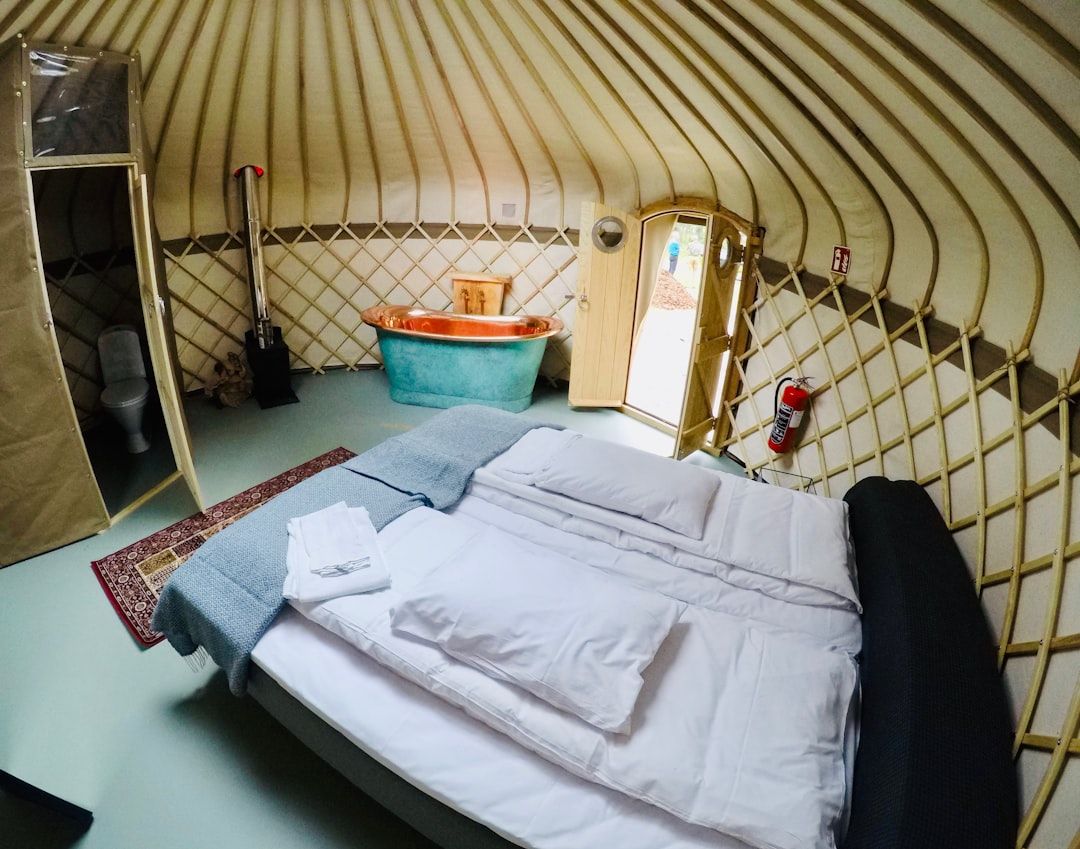
A yurt is a circular tent, traditionally used by nomadic herders in Central Asia. Glamping yurts are the same basic shape — round, with a lattice wood frame and a canvas cover — but they're built for comfort. Most have a proper bed, a wood-burning stove, and sometimes a bathroom. They're not tents in the camping sense; they're more like round wooden cabins with canvas walls.
I've stayed in three yurts over the past two years: one in Snowdonia, Wales (£95/night), one in the Algarve, Portugal (£120/night), and one in the Cairngorms, Scotland (£140/night). Each was different, but they shared enough characteristics that I can give you a reliable picture of what to expect.
Inside a Typical Glamping Yurt
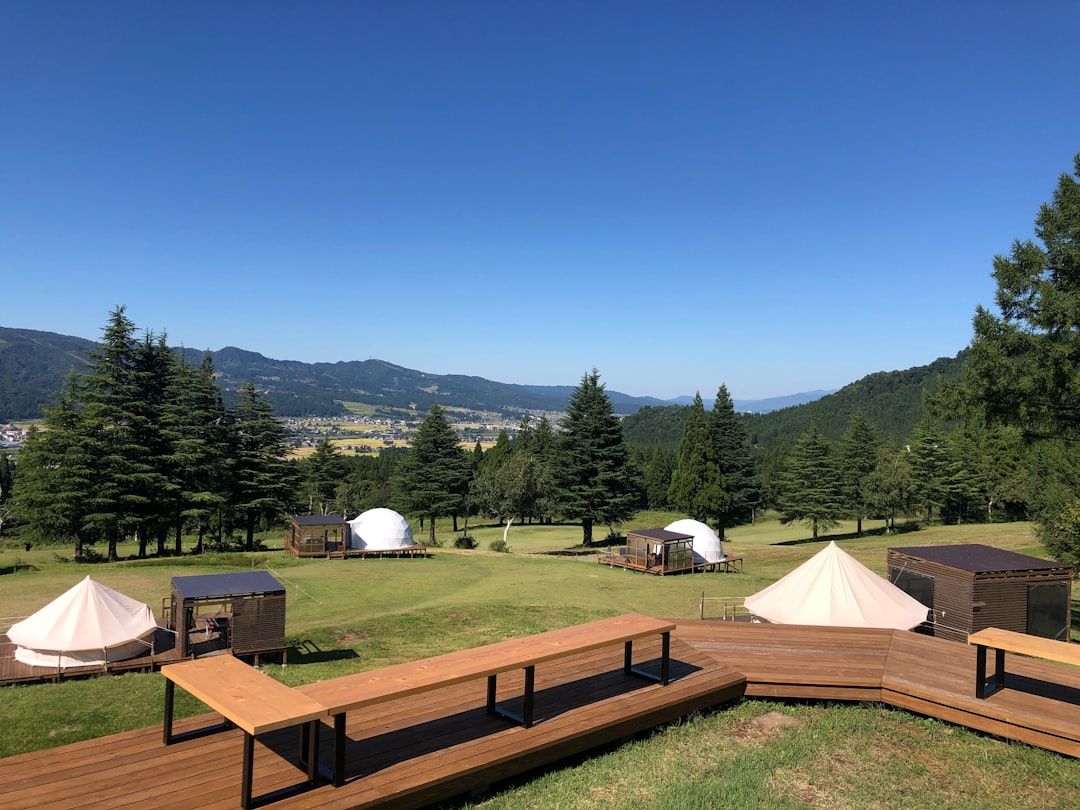
The Welsh yurt was 5 metres in diameter — about 20 square metres of floor space. It had a double bed with a proper mattress, two single beds for kids, a small table with two chairs, a kitchen counter with a gas hob and sink, and a wood-burning stove in the centre. The bathroom was in a separate block 30 metres away.
The Portuguese yurt was 6 metres and had an en-suite bathroom with a shower and flush toilet. That made a huge difference — midnight walks to a shared bathroom get old fast. It also had a small fridge, which the Welsh yurt didn't.
The Scottish yurt was the largest at 7 metres, with a king bed, a sofa, a wood stove, and a proper kitchenette. But the bathroom was in the main farmhouse, a 2-minute walk. In November, that walk was bracing.
What to Pack for a Yurt Stay
Yurts vary, but here's what I always bring now after learning the hard way:
Slippers or thick socks. Yurt floors are usually wooden or laminate, and they're cold in the morning. The Welsh yurt had underfloor heating but it was slow to warm up.
A head torch. Even if the yurt has electric lighting, the path to the bathroom block probably doesn't. The Portuguese site had solar lights on the path, but they were dim.
Cool bag with ice blocks. Only the Portuguese yurt had a fridge. For the other two, I brought a cool bag and bought ice from the site shop. It kept milk and cheese fine for two days.
Wine and board games. Evenings in a yurt are the best part. No TV, no WiFi (usually), just the stove and whatever you bring. A bottle of red and Catan made the Scottish yurt night genuinely memorable.
Marshmallows and long skewers. If the yurt has a fire pit outside (most do), this is non-negotiable.
What It Costs — Real Numbers
Wales (Snowdonia, 2 nights, May): £95/night = £190. Cleaning fee £25. Firewood £5/basket, used 3 = £15. Total: £230, or £115/night.
Portugal (Algarve, 3 nights, September): £120/night = £360. No cleaning fee. Firewood included. Total: £360, or £120/night.
Scotland (Cairngorms, 2 nights, November): £140/night = £280. Cleaning fee £30. Firewood £8/basket, used 4 = £32. Total: £342, or £171/night.
The Scottish yurt was the most expensive because it was peak season for northern lights and the site had a hot tub. The Portuguese yurt was the best value — en-suite bathroom, fridge, and firewood included pushed it ahead despite the higher nightly rate.
What I Wish I'd Known
1. Check the bathroom situation before booking. En-suite vs shared block is the single biggest quality-of-life factor. I'd pay £20/night extra for en-suite without thinking.
2. Yurts are loud in wind. The canvas flaps and the frame creaks. In a storm in Scotland, I barely slept. If you're a light sleeper, check the forecast and bring earplugs.
3. The stove needs feeding every 2-3 hours. If you want the yurt warm at 6am, you're setting an alarm at 3am to reload the stove. The Portuguese yurt had a pellet stove that ran all night — vastly superior.
4. Ask about insulation. The Welsh yurt had a thick thermal liner inside the canvas; the Scottish one didn't. At -2°C outside, the difference was enormous.
5. Yurts in summer can be hot. Canvas holds heat. In Portugal in September, the yurt was 28°C at midnight. Look for one with ventilation flaps or a fan.
Booking: where to look
We may earn a commission from the links below, at no extra cost to you. We only list services we would use ourselves.
- QEEQ — Car hire comparison with price drop alerts
- Auto Europe — Car hire across Europe and the UK
- Airalo — eSIM data the moment you land, no SIM swap
- Saily — Travel eSIM with per-country plans
Are Yurts Worth It?
At £95-£170 per night, yurts sit between budget camping and mid-range hotels. You're paying for atmosphere — the circular space, the stove, the canvas walls, the outdoor fire pit. If you want a hotel room, book a hotel. If you want something different and don't mind a few compromises, a yurt is one of the best glamping formats I've tried. The Portuguese yurt with en-suite and pellet stove was the gold standard; everything else is measured against it.