The listing said "wood burner." The photos showed a cast-iron stove glowing orange, a kettle on top, a sheepskin rug. The price was £90/night for a yurt in Snowdonia in mid-November. I booked three nights. The wood burner was broken when I arrived, and this is the honest account of what happened next — because the reviews I read beforehand all assumed the heating worked.
Arrival: The First Sign Something Was Off
The site was an hour's drive from Betws-y-Coed on a single-track road that had flooded in two places. My rental — a small Vauxhall — made it through both, but I was already questioning my life choices by the time I pulled into the farmyard. The owner met me in wellies and a waterproof that had seen better decades. She was friendly in the way Welsh farmers are friendly, which is to say she pointed at things and told me facts.
"The yurt's up the hill. The stove isn't drawing properly — I've got a man coming Tuesday. There's an electric heater in the cupboard. Don't use the kettle after 9pm, it trips the breaker."
It was 4pm. It was already dark. Tuesday was two days away.
Inside: What £90/Night Gets You in Low Season
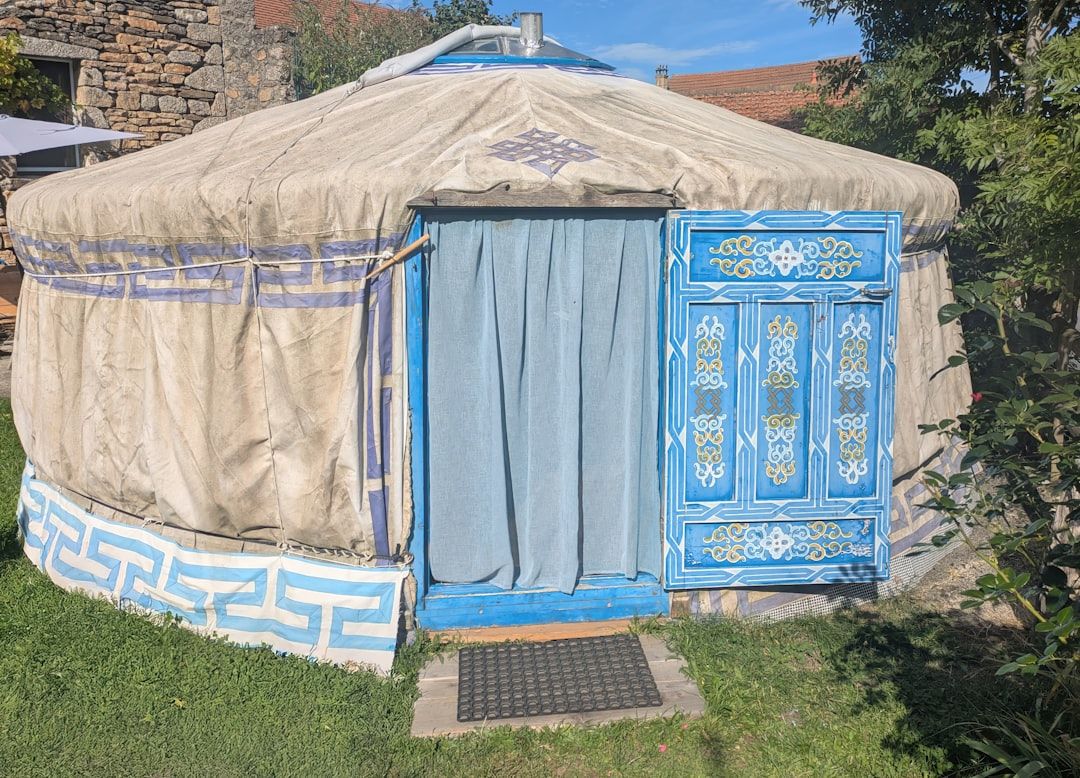
The yurt was a traditional Mongolian structure, maybe 16 feet across, with a wooden floor and a double bed pushed against the wall. There was a small wood-burning stove — the broken one — a two-ring electric hob, a tiny sink with cold water only, and a cupboard that contained one of those oil-filled radiators you see in old B&Bs. The bedding was a duvet and two blankets. There was no bathroom inside. The bathroom was a porta-cabin 40 meters down the hill, and the path to it was mud.
I plugged in the electric radiator and turned it to max. By 7pm the yurt was maybe 12°C. By 10pm, with the radiator still on and both blankets on the bed, I was wearing a fleece, a hat, and my socks. The condensation on the inside of the canvas was dripping. This is the part the listing didn't mention: canvas yurts without a working heat source in November in Wales are not cozy. They're damp.
The Night: What I Did Instead of Sleeping
I didn't sleep much. The radiator tripped the breaker at 11pm, exactly as warned. I walked to the farmhouse in the rain to flip it back on. The owner's dog barked. I apologized to no one in particular. Back in the yurt, I layered up, got into bed with my clothes on, and read a book by headlamp until the battery died. Around 3am the rain stopped and I heard owls, which was the first moment of the trip that felt worth anything.
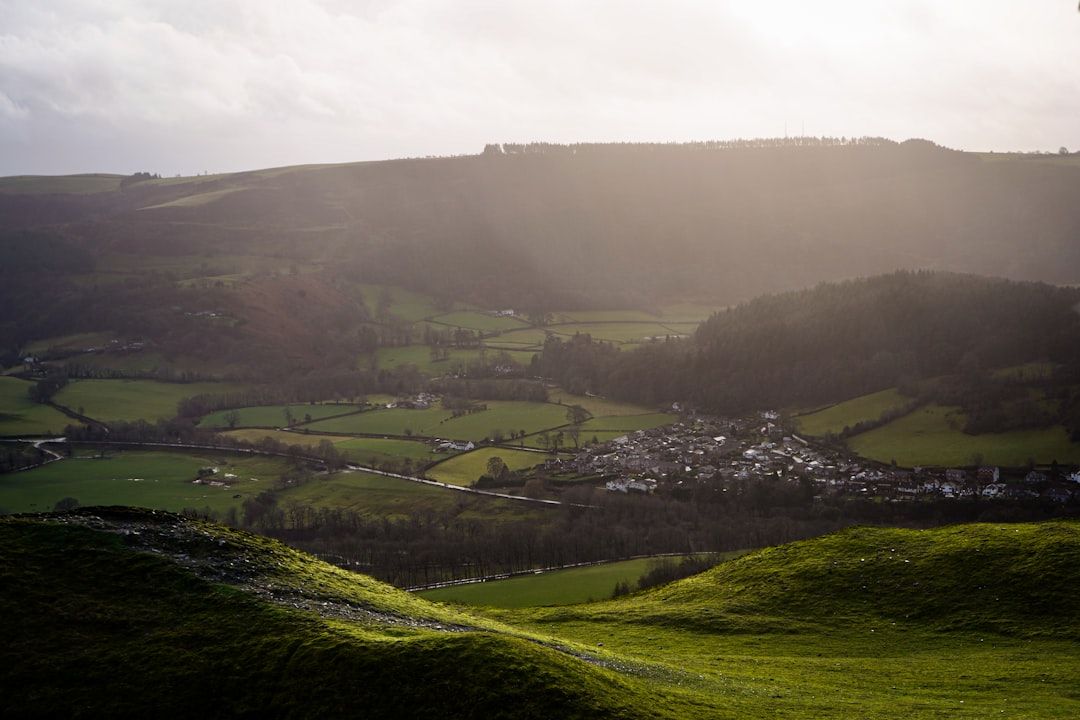
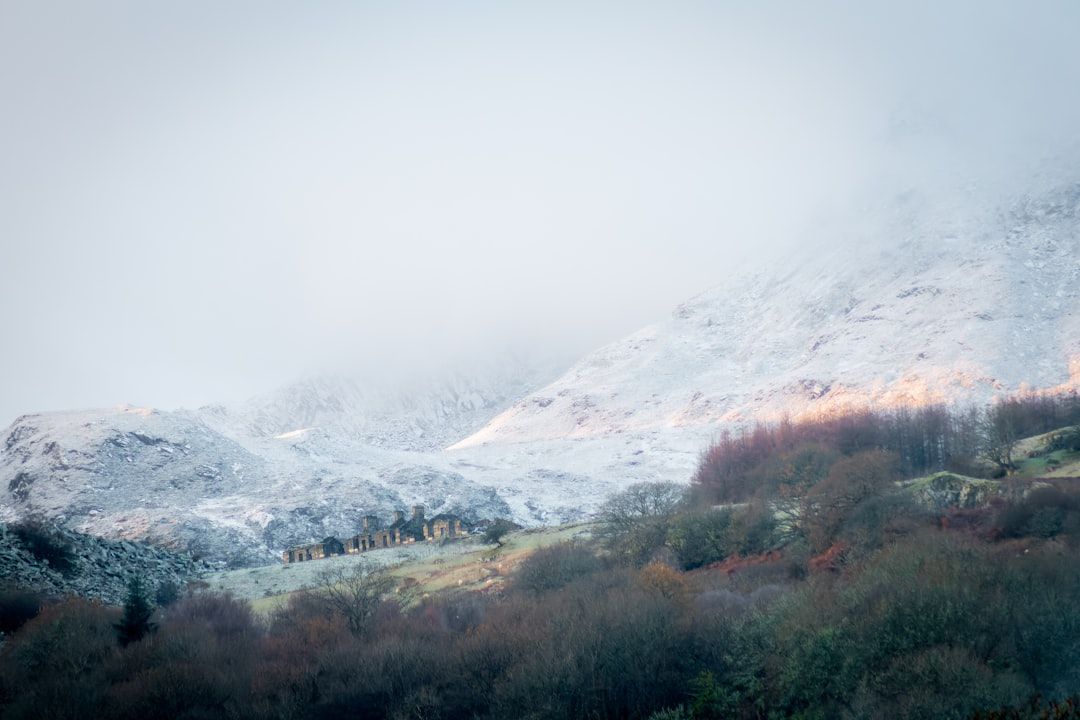
The morning was better. The radiator had kept the worst of the damp off by then, and I made coffee on the hob. The view from the yurt door was the Snowdonia ridge under low cloud, sheep on the hillside, and absolutely no other human. I stood there with coffee and realized that the silence was the thing I'd actually paid for, and it was working.
What Was Actually Good About It
Despite the heating failure, three things made the stay worth the £270 I paid for three nights:
The price. The same yurt in July was £165/night. I paid £90. Even with the misery of the first night, the value was there — I was paying for a bed and a roof in one of the most expensive parts of the UK in peak season, and I got it for half.
The solitude. I was the only person on the site. In summer, the owner told me, there are six yurts full and a queue for the bathroom. In November, I had the entire hillside. I hiked for four hours the second day and saw two other hikers, both far off on a different ridge.
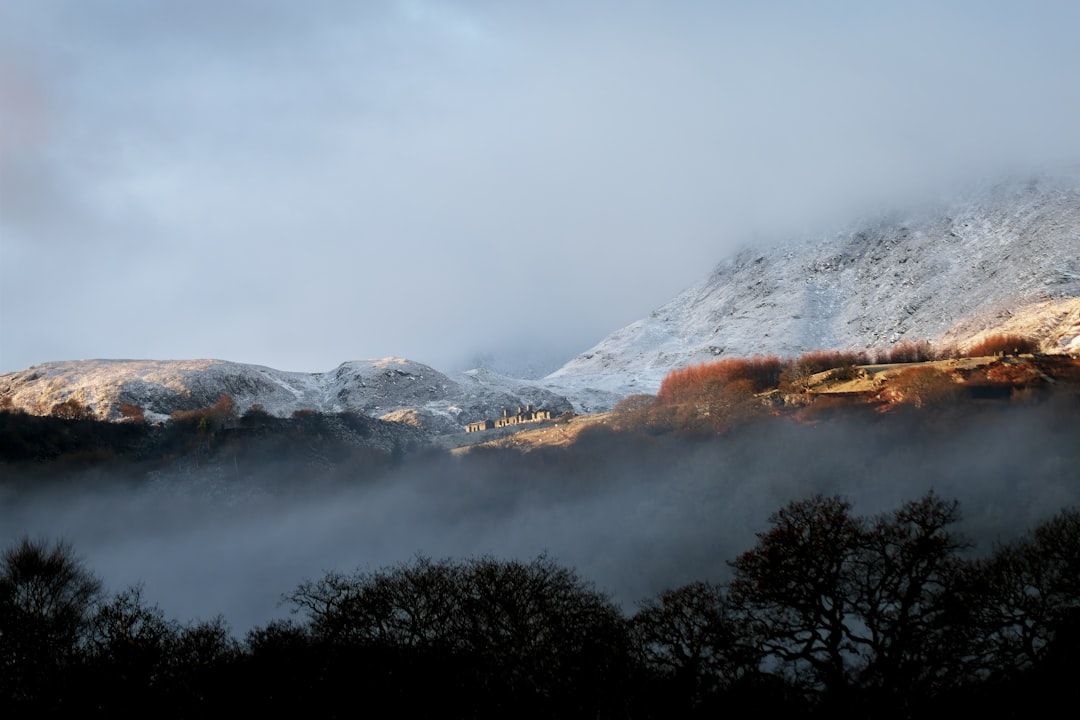
The landscape in winter. Snowdonia in November is not pretty in the postcard sense. It's grey, brown, and wet. But it's also enormous and empty in a way the summer crowds never let you feel. The waterfalls were full. The rivers were loud. The cloud sitting on the ridge was the kind of weather that makes you understand why Welsh mythology is full of things that live in mountains.
What I'd Tell Anyone Booking a Winter Yurt
Before you book a yurt in Wales between November and March, ask the owner three specific questions, in writing:
1. Is the heating source working right now? Not "is there a stove" — is it functional. Stoves break. Owners don't always update listings. Get a yes with a date.
2. Where is the bathroom and is it heated? A porta-cabin 40 meters away in November is a different experience from an en-suite. If it's outside, ask if the path is lit.
3. What's the access like in wet weather? Welsh farm tracks flood. If you're in a small car, ask specifically. The owner will tell you the truth — they always do, they just don't volunteer it.
Booking in Snowdonia: where to look
We may earn a commission from the links below, at no extra cost to you. We only list services we would use ourselves.
- QEEQ — Car hire comparison with price drop alerts
- Auto Europe — Car hire across Europe and the UK
- Airalo — eSIM data the moment you land, no SIM swap
- Saily — Travel eSIM with per-country plans
Would I Go Back?
To that specific yurt in November — no. Not until the stove is fixed and I've seen a photo of it working. To Snowdonia in November at all — yes, but in a heated shepherd's hut or a proper cabin with a working bathroom. The lesson I learned is that "yurt" and "winter" can work, but only if the infrastructure is real. A canvas structure with a broken stove and an electric radiator is camping with a door, and I should have treated it that way.
The owner refunded me one night without me asking, which was decent. The man did come Tuesday and fixed the stove. I was already home by then, reading reviews of the same yurt from August, where everyone said it was magical. They weren't wrong. They just went in summer.