They Look Similar in Photos — But They're Nothing Alike
Scroll through a glamping booking site and domes and yurts look interchangeable: round, canvas, romantic, outdoorsy. I've stayed in four domes and three yurts over the past two years, and the experiences are so different that I now choose based on what kind of trip I want, not what looks good in photos.
Here's the honest comparison — what each is actually like to stay in, where they excel, and where they fall short.
The Dome — Built for the View
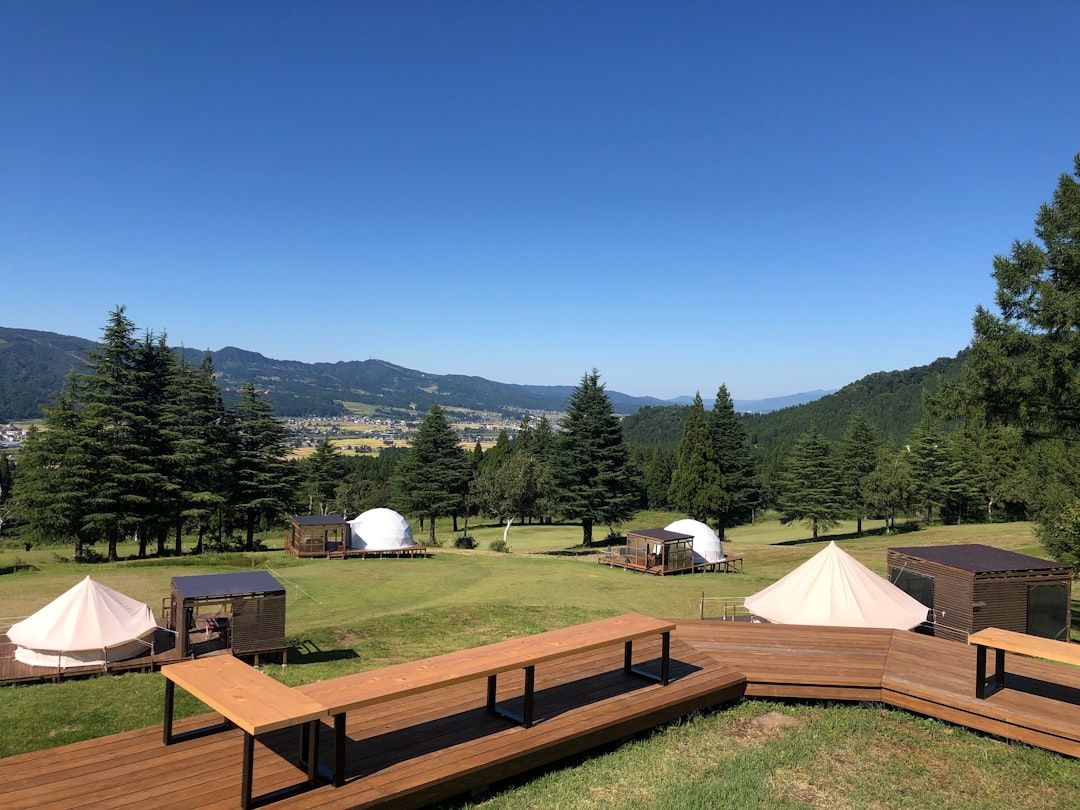
A glamping dome is a geodesic structure with a transparent or semi-transparent cover. The defining feature is the view — you're inside a glass bubble looking at the sky, the landscape, or the northern lights. Domes are about the visual experience.
What domes do well:
- Stargazing from bed. This is the reason domes exist. Lying in bed looking at stars or aurora is genuinely magical and you can't replicate it in any other accommodation type.
- Natural light. Domes are bright during the day. You wake up with the sunrise and fall asleep with the sunset. Great for photography.
- Modern design. Domes tend to be newer and more architecturally interesting. They photograph well (if that matters to you).
- Warmth in winter. The greenhouse effect means domes can be 20°C inside when it's 0°C outside, even before you light the stove.
Where domes fall short:
- The greenhouse effect cuts both ways. In summer, a dome can reach 35°C by midday. I stayed in a dome in Portugal in September and had to close the curtains and run the AC all afternoon. The glass that makes stargazing possible also makes the space an oven.
- Privacy. A transparent dome is a fishbowl. If the site has domes close together, you'll need curtains drawn most of the time, which defeats the point. Check site spacing before booking.
- Noise. Rain on a dome is loud — like sleeping inside a drum. In a storm in Iceland, I wore earplugs and still couldn't sleep.
- Space efficiency. A dome's curved walls mean less usable floor space than a yurt of the same diameter. The corners where the walls meet the floor are wasted.
The Yurt — Built for Comfort
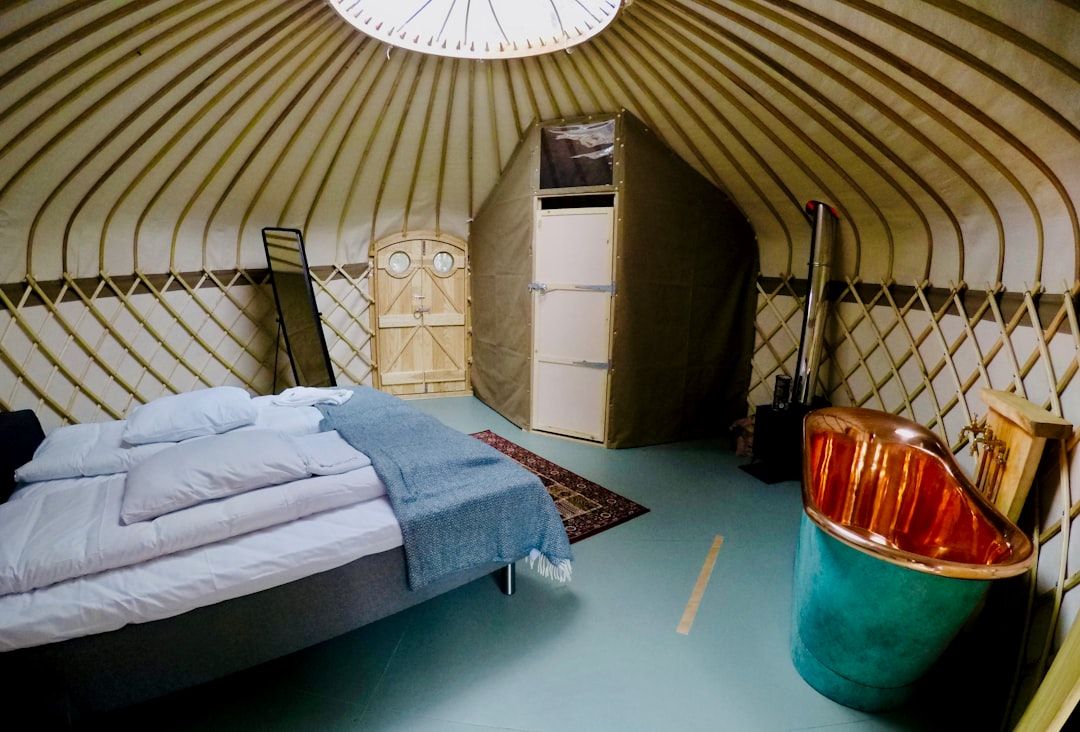
A yurt is a circular tent with a lattice wood frame and canvas walls. It has a solid roof and fabric walls — no transparent panels. The defining feature is the interior: warm, cosy, and enclosed. Yurts are about the feeling of being inside.
What yurts do well:
- Cosy atmosphere. A yurt with a wood stove, warm lighting, and a rug on the floor is the most comfortable glamping format I've experienced. It feels like a bedroom in the woods, not a tent.
- Temperature stability. Canvas and insulation buffer temperature changes better than glass. A yurt stays cooler in summer and holds heat more evenly in winter.
- Privacy. Canvas walls are opaque. You can change clothes without curtains, and neighbouring yurts can't see in.
- Space. The straight walls (up to about 1.5m before the roof curve) mean more usable floor space. A 5m yurt feels bigger than a 5m dome.
- Quiet. Canvas muffles rain and wind. In a storm, a yurt is much quieter than a dome.
Where yurts fall short:
- No view. You can't see the sky from bed. If stargazing or aurora watching is your priority, a yurt is the wrong choice.
- Darker interior. Canvas walls block natural light. You'll rely on lamps and lanterns more than in a dome.
- Less photogenic. A yurt is a tent. It's cosy inside, but it doesn't have the architectural wow factor of a glass dome.
- Ventilation. Yurts can be stuffy in summer. Look for one with mesh windows or a roof vent.
Head-to-Head Comparison
Stargazing: Dome wins. Unambiguously. This is what domes are for.
Summer comfort: Yurt wins. Domes overheat; yurts stay cool.
Winter comfort: Tie. Domes heat up faster (greenhouse effect), but yurts hold heat more evenly.
Rain/storm weather: Yurt wins. Domes are loud in rain; yurts are muffled.
Privacy: Yurt wins. Opaque walls vs transparent walls.
Space: Yurt wins. Straight walls give more usable floor space.
Photography: Dome wins. Natural light and architectural interest.
Atmosphere: Yurt wins. Cosy, enclosed, warm — a yurt feels like a home.
Price: Yurt is usually cheaper. Domes are £20-£50/night more expensive because they're newer and more fashionable.
Booking: where to look
We may earn a commission from the links below, at no extra cost to you. We only list services we would use ourselves.
- QEEQ — Car hire comparison with price drop alerts
- Auto Europe — Car hire across Europe and the UK
- Airalo — eSIM data the moment you land, no SIM swap
- Saily — Travel eSIM with per-country plans
Which Should You Choose?
Choose a dome if: You want to stargaze from bed. You're going in winter (greenhouse heating). You're a photographer. You're going for a special occasion and want the wow factor. You don't mind paying £20-£50/night extra.
Choose a yurt if: You want comfort and cosiness. You're going in summer (yurts don't overheat). You're going with a partner who values privacy. You're on a budget. You want a quiet night's sleep regardless of weather.
My rule of thumb: If the trip is about what's outside (northern lights, stars, a spectacular view), book a dome. If the trip is about what's inside (cosy evenings, a fire, a comfortable bed), book a yurt. I've never regretted either choice when I followed this rule.