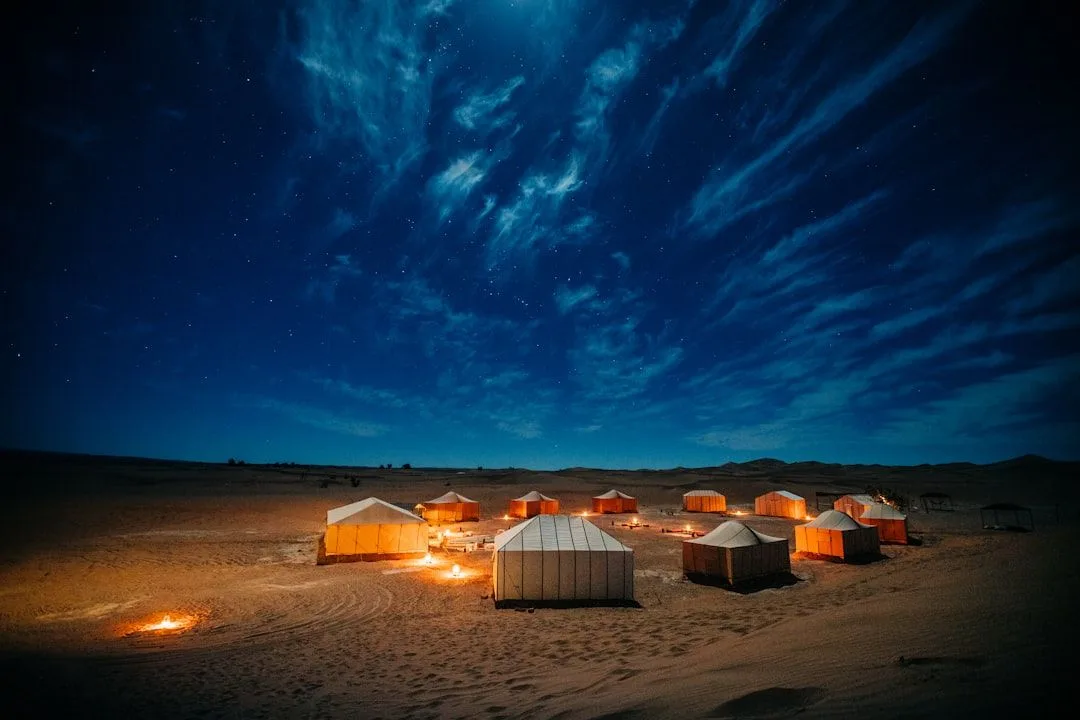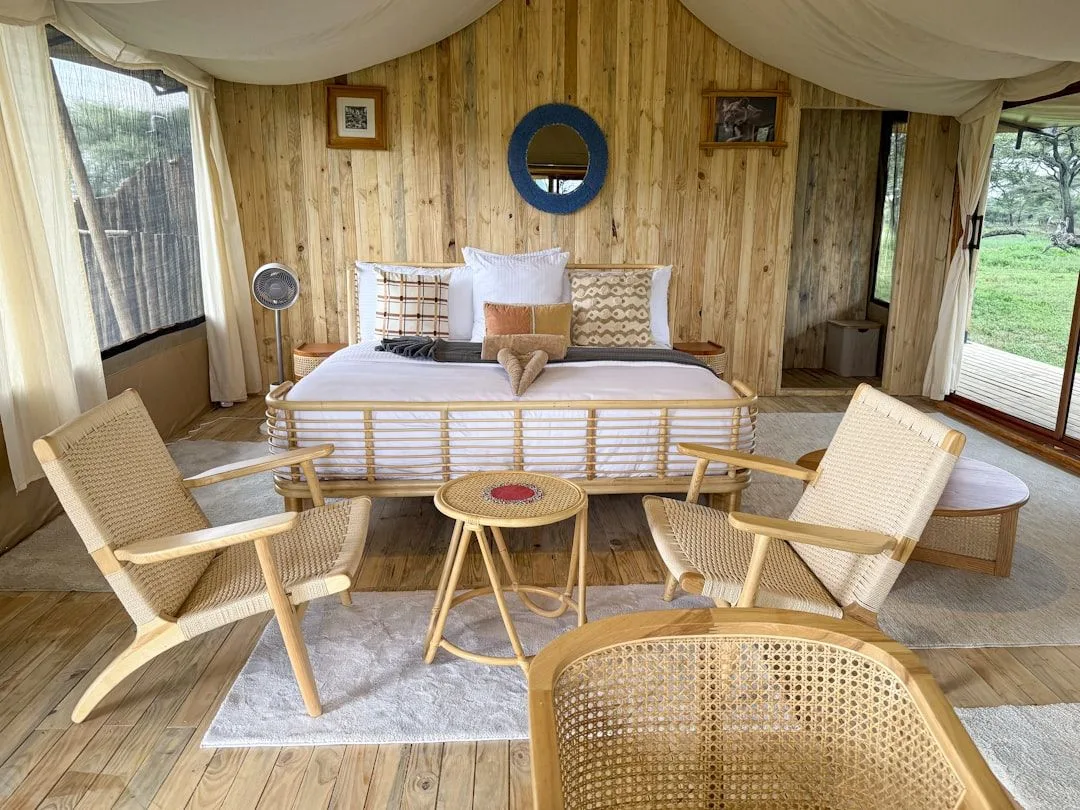
The luxury safari tent as a global format was essentially invented in southern Africa, and South Africa still does it better than anywhere. But the country contains two entirely different glamping propositions, and conflating them is how people end up disappointed.
The two countries
Bush camps are about wildlife. You pay per person, meals and game drives included, you wake at 5:30am, and the tent is a base for two drives a day.
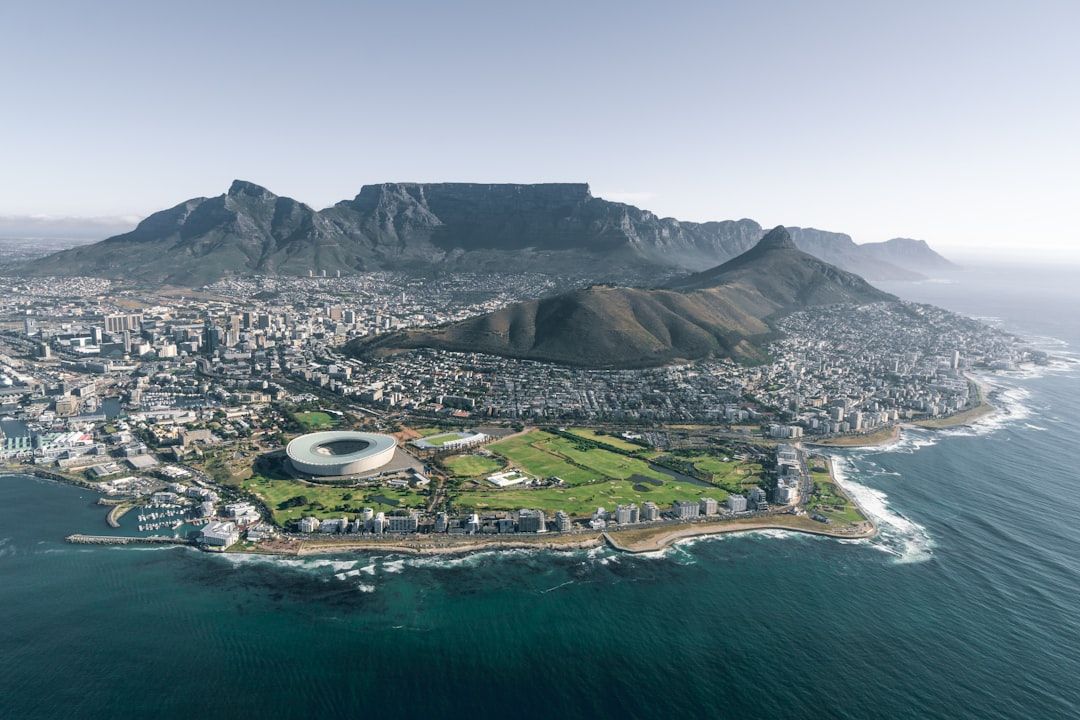
Cape and Garden Route glamping is about landscape and wine. You pay per unit, self-cater or eat out, and you set your own schedule.
| Type | Price | Basis |
|---|---|---|
| Mid-range bush camp | ZAR 3,500–7,000 | per person, all inclusive |
| High-end private reserve | ZAR 12,000–25,000 | per person, all inclusive |
| Winelands tented stay | ZAR 1,800–3,500 | per unit, room only |
| Garden Route tent/dome | ZAR 1,200–2,800 | per unit, room only |
The malaria question decides your reserve
This is the single most consequential planning decision and it is frequently glossed over.
Malaria-free, year round: Madikwe on the Botswana border, the Waterberg, Pilanesberg, and the Eastern Cape reserves including Addo. All hold the big game, all are safe without prophylaxis, and Madikwe in particular is excellent and less crowded than Kruger.
Malaria zones: the Kruger and its private reserves (Sabi Sand, Timbavati), and northern KwaZulu-Natal. Risk is real but seasonal, peaking in the wet summer from November to April, and low in the dry winter. Prophylaxis is the standard advice; speak to a travel clinic.
With young children, the malaria-free reserves are the obvious answer, and it costs you very little in wildlife terms.
Winter is the right season, and it is cold
May to September is dry-season safari: thin vegetation, animals concentrated at waterholes, dramatically better sightings, and minimal malaria risk.
What surprises people is the temperature. A 6am game drive in an open vehicle in June, in the Waterberg or Madikwe, can start near freezing. Camps provide blankets, ponchos and hot water bottles because they have to. Pack a proper jacket, hat and gloves — advice that sounds absurd for an African safari until you are in the vehicle.
Midday reaches a pleasant 20–24°C, so you are peeling layers off by 10am. Summer, November to March, is hot, green, harder for game viewing, and the peak malaria window.
What a bush camp is actually like
At ZAR 3,500 and up, this is not camping. Expect a real bed, en-suite bathroom with plumbing, electricity, and often a private deck. The canvas is the wall, not the standard.
What remains genuinely wild is that most camps are unfenced. Antelope wander through, and larger animals do too. A guide walks you to your tent after dark, and you do not stroll around at night. That rule is not theatre.
The rhythm is fixed and worth knowing before you book: wake around 5:30, drive until 9, brunch, long hot middle of the day, afternoon drive from 4 to 7, dinner. It is wonderful and it is not restful in the sleeping-late sense.
The Cape, which is a different holiday
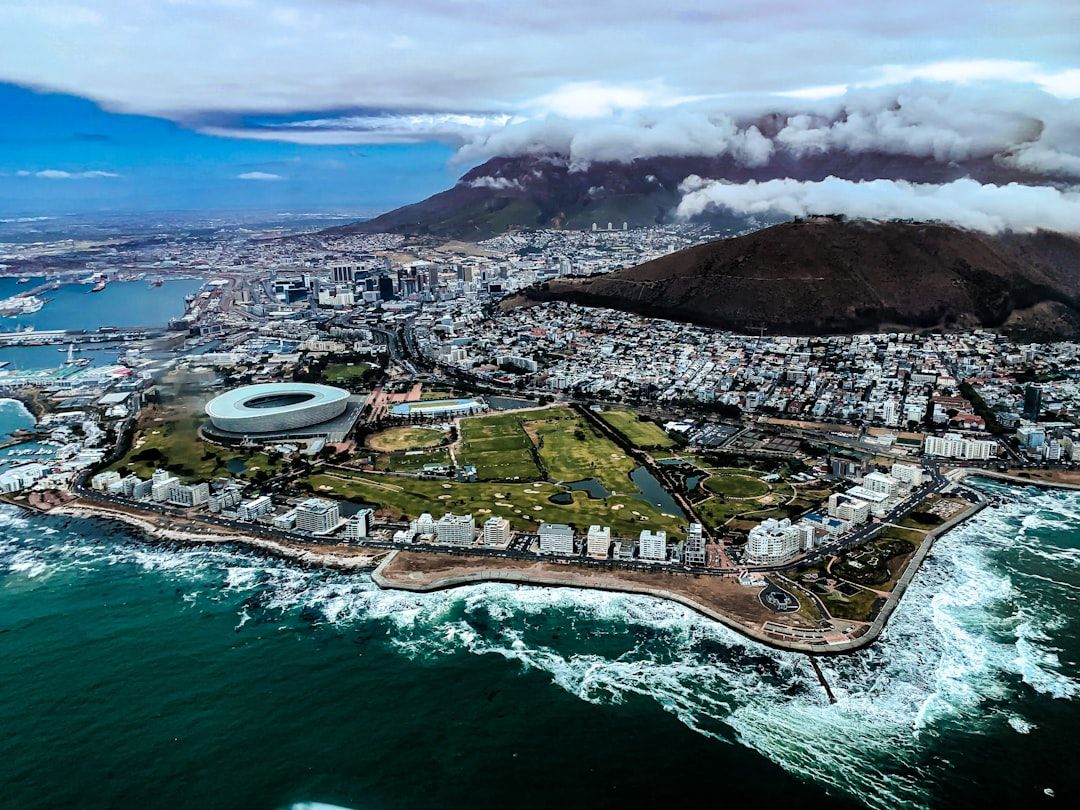
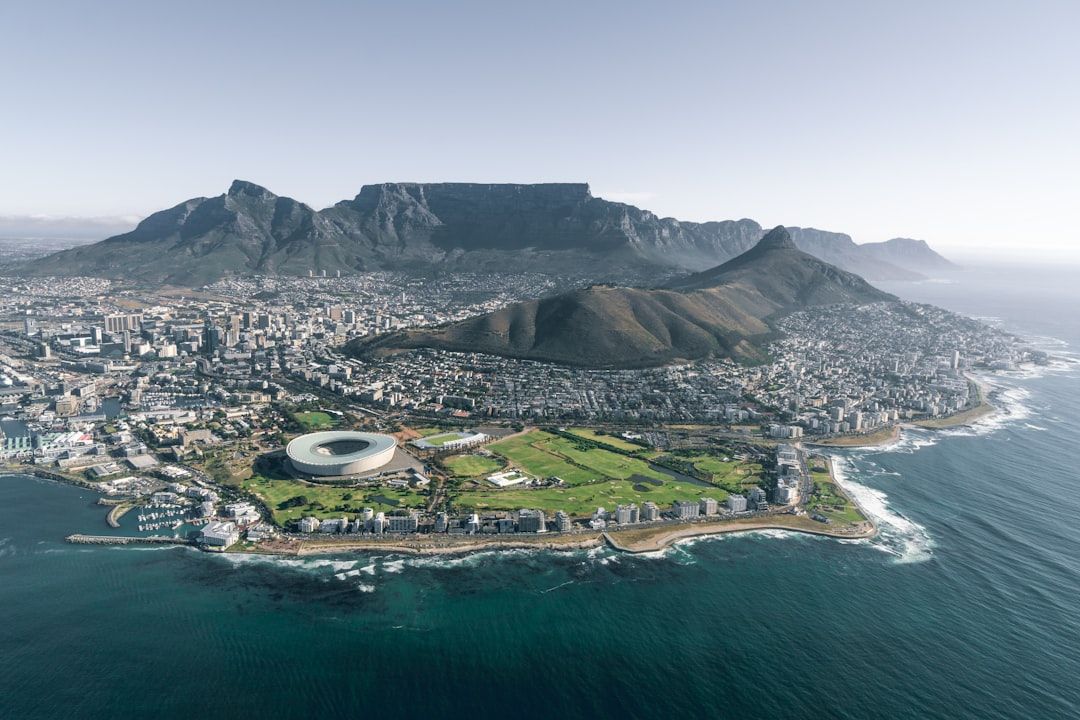
Tented stays in the winelands around Stellenbosch, Franschhoek and Robertson, and along the Garden Route from Wilderness to Plettenberg Bay, are about scenery, food and wine. Prices are a fraction of safari, you drive yourself, and the Cape's Mediterranean climate means the seasons invert: December to March is the good weather, and the winter that suits safari is wet here.
The natural itinerary, if you have two weeks, is safari in a malaria-free reserve in the north followed by the Cape — but note that the ideal seasons pull in opposite directions. Shoulder months, April and October or November, are the honest compromise.
Practical notes
Self-drive is easy and roads are good, but do not drive between distant reserves at night. Most camps have a minimum age for game drives, commonly six or eight. Tipping guides and trackers is expected and camps will tell you the norm if you ask. And book the malaria-free reserves early for school holidays — Madikwe in particular fills months ahead.