I've Done Both — Here's the Honest Comparison
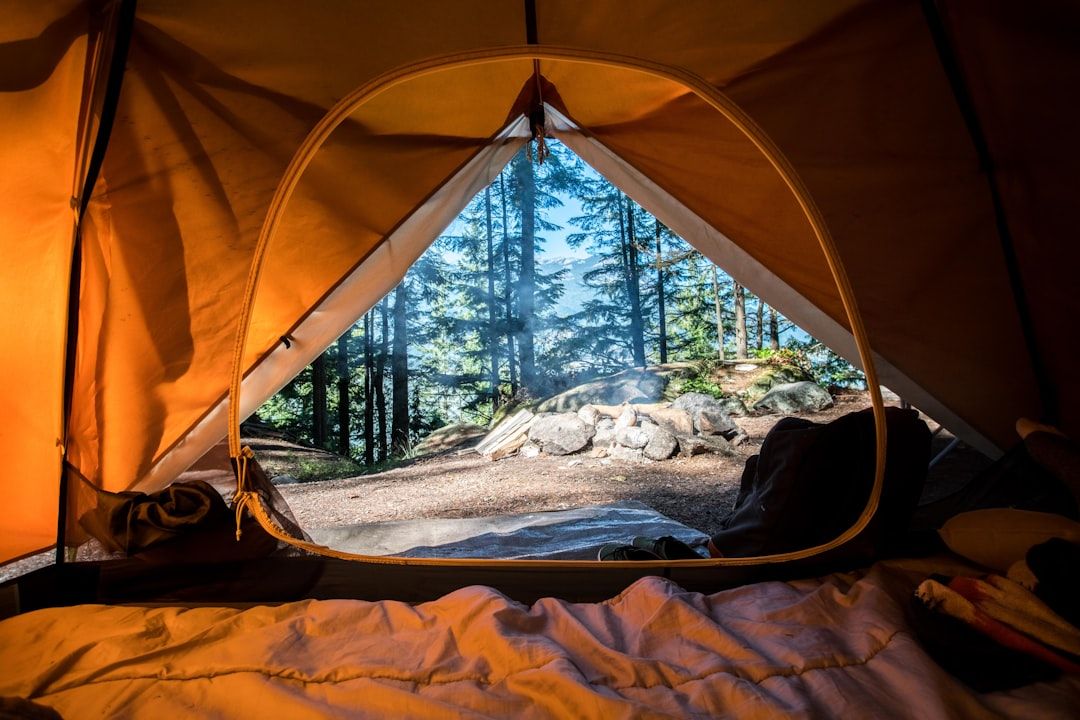
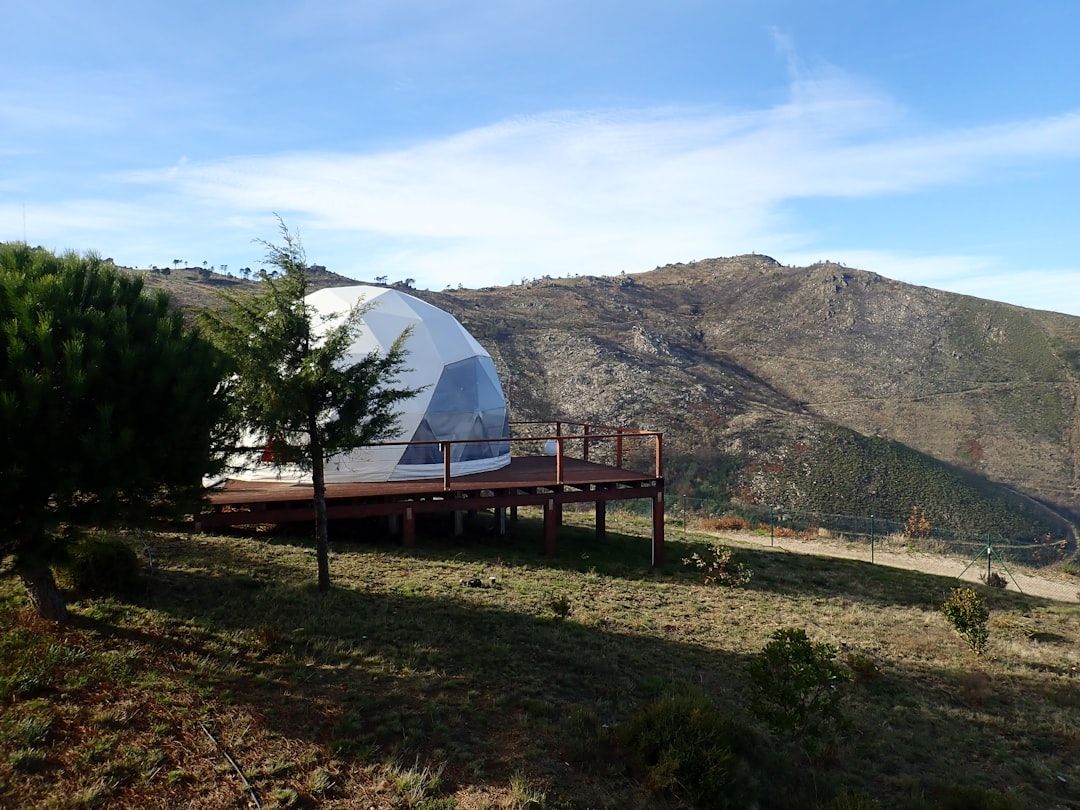
Last summer I did a weekend camping trip in the Lake District with a £40 tent from Decathlon, and the following month I stayed in a glamping safari tent in Cornwall at £130/night. Same country, same season, similar scenery. The price difference was £110 per night. Here's what that money actually bought — and what it didn't.
The Bed — The Biggest Difference
Camping: I slept on a self-inflating mat that cost £25. It was 5cm thick. I'm a side sleeper, and by 3am my hip was numb and I'd shifted position 20 times. I woke up tired and stiff.
Glamping: A proper king-size bed with a memory foam mattress, down duvet, and four pillows. I slept through the night and woke up actually rested. This alone justified about £40 of the price difference for me.
The Bathroom — £30 of the Difference
Camping: The campsite toilet block was a 3-minute walk. It was clean but cold, the showers cost £1 for 5 minutes, and at 2am when I needed the toilet, getting dressed and walking across a wet field was miserable.
Glamping: En-suite bathroom with a walk-in shower, flush toilet, hot water on demand, and heated towel rail. No walking, no coins, no queue at 7am. This was worth about £30/night.
The Kitchen — £20 of the Difference
Camping: I cooked on a single-burner gas stove that cost £15. Boiling water for pasta took 12 minutes. I washed up in a plastic bowl with water heated on the stove. Everything took longer than it should.
Glamping: A proper kitchen with a four-ring gas hob, oven, fridge, sink with running water, and actual cookware. I cooked the same pasta in 8 minutes and washed up in a sink. Worth £20/night for the time saved and the dignity preserved.
The Space — £15 of the Difference
Camping: My tent was 3.2 square metres. With two people and gear, we were climbing over each other. Sitting up meant hunching. Changing clothes was a logistical exercise.
Glamping: The safari tent was 35 square metres with a separate bedroom, living area, and kitchen. I could stand up, sit on a sofa, and change clothes without doing gymnastics. Worth £15/night.
The Temperature — £10 of the Difference
Camping: At 5am in the Lake District in July, the tent was 8°C. My sleeping bag was rated for 10°C comfort. I was cold.
Glamping: The safari tent had a wood-burning stove. I loaded it at midnight and the tent was still 16°C at 6am. Worth £10/night for not shivering.
What the Extra Money Did NOT Buy
The view. Both sites had beautiful rural views. The camping site actually had a better view of the fells because it was higher up. The extra £110 didn't buy a better location.
The outdoor experience. Both involved being outdoors, hearing birds at dawn, seeing stars at night. The glamping tent had canvas walls; the camping tent had nylon walls. Both were 'outdoor' experiences.
The food quality. I cooked the same food both trips — pasta, sausages, eggs, bacon. The glamping kitchen made it easier, but the food tasted the same.
Memorable moments. The funniest moment of the summer was when my camping tent collapsed in a gust at 11pm and we rebuilt it in the rain. The glamping trip was comfortable but uneventful. Comfort isn't the same as adventure.
When Camping Is Better
If you're on a tight budget, camping wins. A £40 tent, £25 mat, £15 stove, and £20 campsite fee = £100 total for a weekend. The glamping equivalent was £260 for the tent alone. That £160 difference buys a lot of other weekends.
If you want adventure and don't mind discomfort, camping is more fun. The stories you tell afterwards are better. Nobody tells stories about a comfortable night's sleep in a safari tent.
If you're going with experienced campers who have good gear, the gap narrows. A £200 tent with a £100 mattress and a £60 stove closes much of the comfort gap for a one-off investment.
When Glamping Is Better
If you're going with a partner who doesn't camp, glamping is the compromise that gets them outdoors. My partner hasn't camped since university and never will again. She loved the glamping trip. That's worth £110/night.
If you want a relaxing weekend, not an adventure. Glamping is a rural hotel room. You arrive, everything works, you relax. Camping is a project — you pitch, you build, you manage.
If you're going for one night only. The setup and pack-down time of camping eats into a one-night trip. Glamping lets you arrive at 4pm and leave at 11am with zero setup.
Booking: where to look
We may earn a commission from the links below, at no extra cost to you. We only list services we would use ourselves.
- QEEQ — Car hire comparison with price drop alerts
- Auto Europe — Car hire across Europe and the UK
- Airalo — eSIM data the moment you land, no SIM swap
- Saily — Travel eSIM with per-country plans
The Real Answer
The extra £110/night buys: a real bed (£40), a real bathroom (£30), a real kitchen (£20), space (£15), and warmth (£10). That's £115 of value, which roughly matches the price difference. You're not being ripped off — you're paying for comfort.
But camping at £50/night buys something glamping can't: the satisfaction of doing it yourself, the stories that come from things going wrong, and the feeling of being genuinely outdoors rather than outdoors-adjacent. Both are valid. I'll keep doing both.