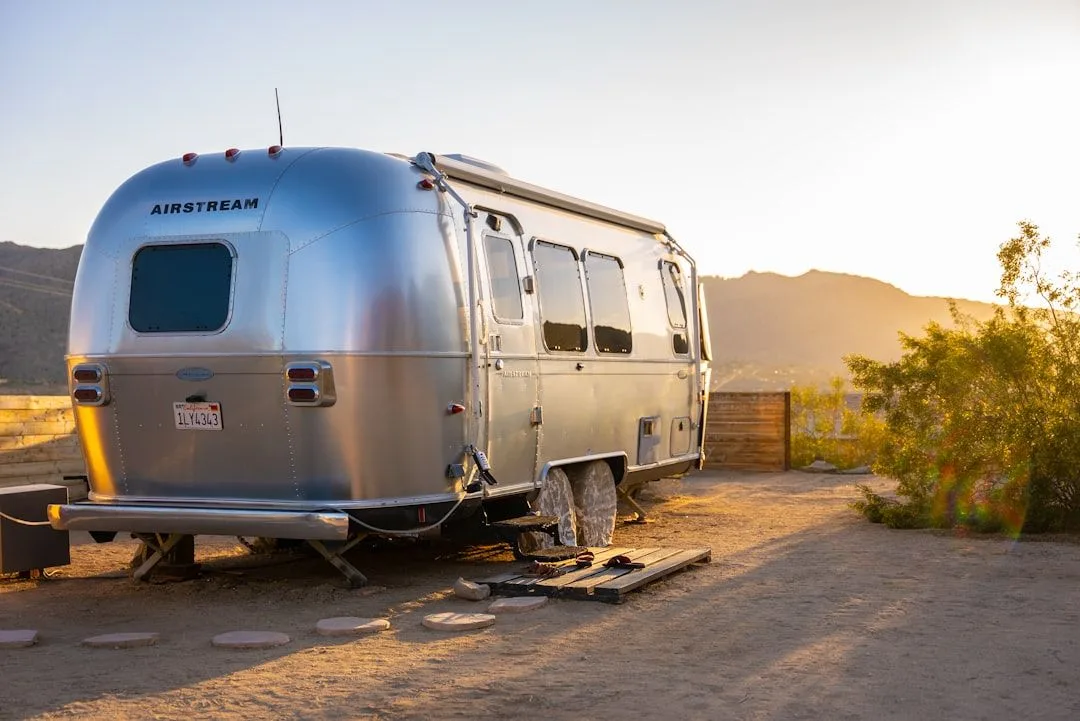
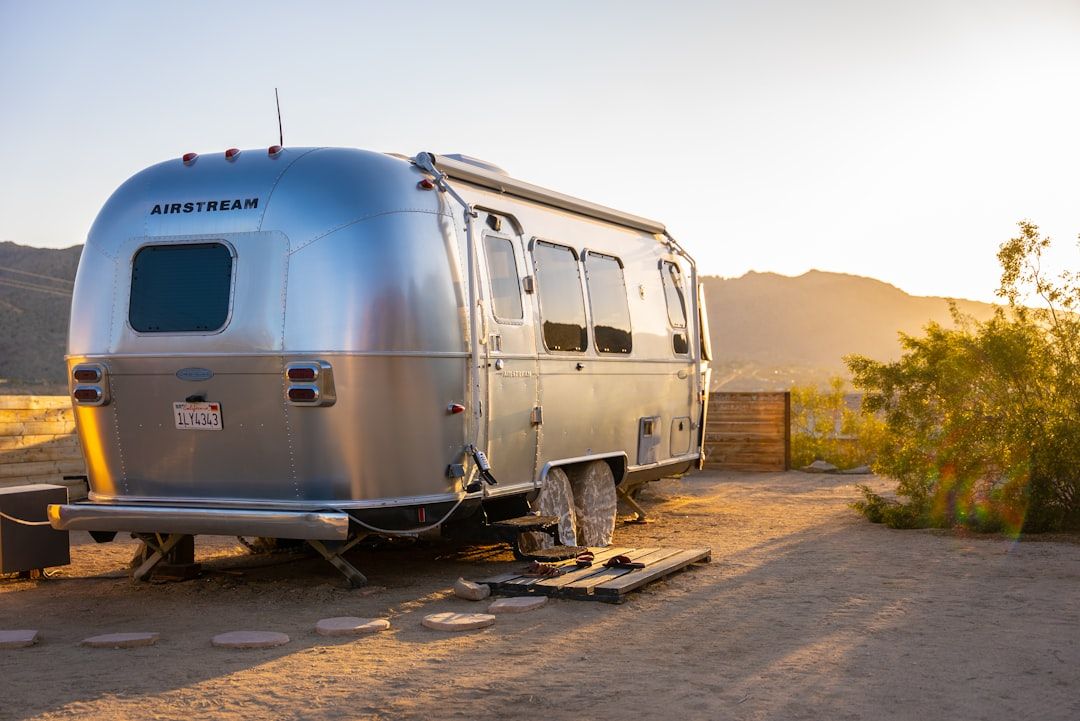
An Airstream stay is a hotel room shaped like a trailer. That sentence is either the appeal or the disappointment, depending on what you were expecting, so it is worth saying up front: you are not towing anything, you are not levelling anything, and in most cases you are not driving it at all. The trailer is parked, plumbed, and permanent. You check in.
What you get for roughly US$180–400 a night is a compact, well-designed room with a proper bathroom, a kitchenette, air conditioning, and a fire pit outside the door. What you do not get is space. Understand that trade and this is one of the best-value formats in glamping.
What is actually inside?
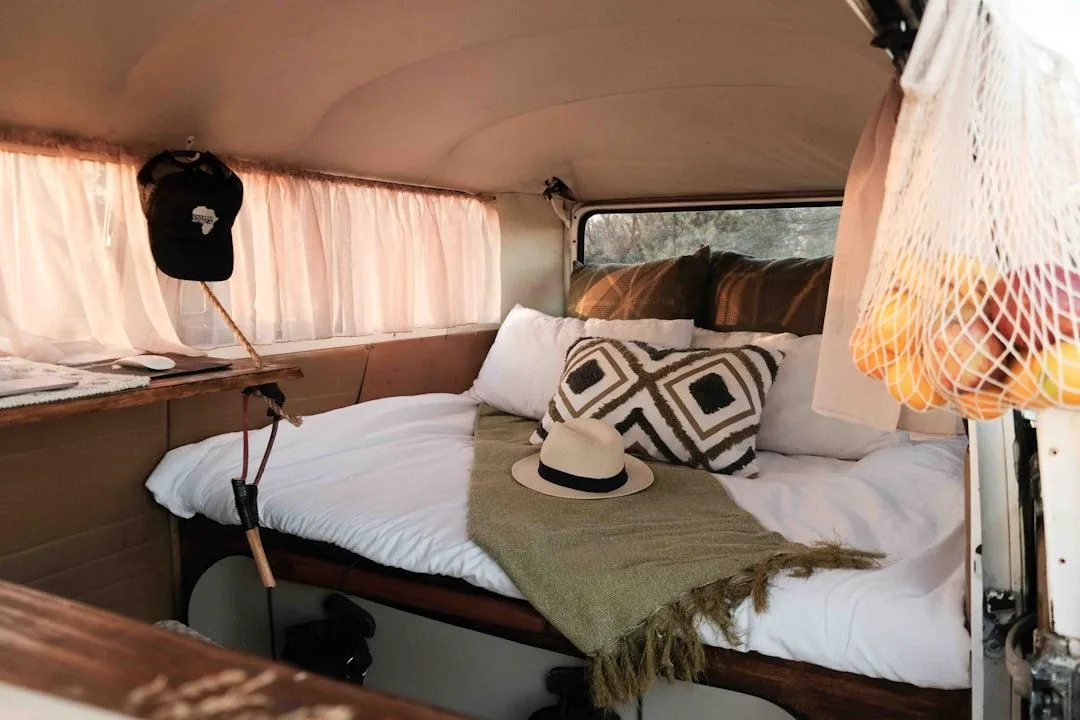
A purpose-built glamping Airstream is usually a 22 to 27-foot trailer fitted out for two, occasionally four. The interior is narrower than it photographs — under two and a half metres wall to wall — and every surface is doing two jobs.
- Bed — a real mattress, typically queen, often at the rear under the curved end windows. This is the best part of the design and the reason people book again.
- Bathroom — private, with a shower. Compact enough that you will learn to close the door before you turn around.
- Kitchenette — sink, fridge, usually a two-burner hob and a microwave. Enough for breakfast and drinks, not enough for a dinner party.
- Climate control — air conditioning and heating. This matters more than the fittings and is what separates an Airstream from a canvas tent in July or November.
- Outside — a deck, fire pit, and usually two chairs. In practice you live out here and sleep inside.
Storage is the thing nobody warns you about. There is very little of it. Pack in a soft bag rather than a hard suitcase, because a suitcase has nowhere to go but the floor, and the floor is the corridor.
Where it works, and where it doesn't
The format lives or dies on the site, not the trailer. The trailers are near-identical everywhere; the ground they sit on is not.
It works: river, wine country and desert sites
Northern California's redwood-and-river locations are the format at its best — trailers spaced under tall trees, a river a few minutes' walk away, and the temperature swing that makes air conditioning worth having. Oregon's Willamette Valley does something similar with restored vintage trailers among the vineyards, where the appeal is walking back from a tasting room rather than driving.
The southwestern desert sites — Joshua Tree, southern Utah — are the other strong case, for the same reason domes work in Patagonia: the climate is hostile to canvas and fine for metal with a working AC unit.
It works less well: anywhere you wanted space
If you are travelling with children, or staying more than three nights, or expecting to work from the trailer, the square footage becomes the whole experience. A cabin at the same price is simply bigger. Airstreams reward short, romantic, outdoors-heavy stays and punish long indoor ones.
What it costs
| Tier | Nightly rate | What that buys |
|---|---|---|
| Shoulder season, midweek | US$150–220 | Standard trailer, basic site, fire pit |
| Peak weekend | US$250–400 | Same trailer, better position, two-night minimum |
| Premium or suite trailers | US$400+ | Larger unit, private hot tub or premium view |
Two costs are easy to miss. Most sites add a resort or amenity fee of US$20–40 a night on top of the rate, and most enforce a two-night minimum on weekends — so the cheap midweek rate you found is often not available for the trip you actually want to take.
The saving is midweek. The same trailer on a Tuesday routinely costs 40% less than on a Saturday, and the site is quieter.
Airstream versus the alternatives
The honest comparison, at a similar price:
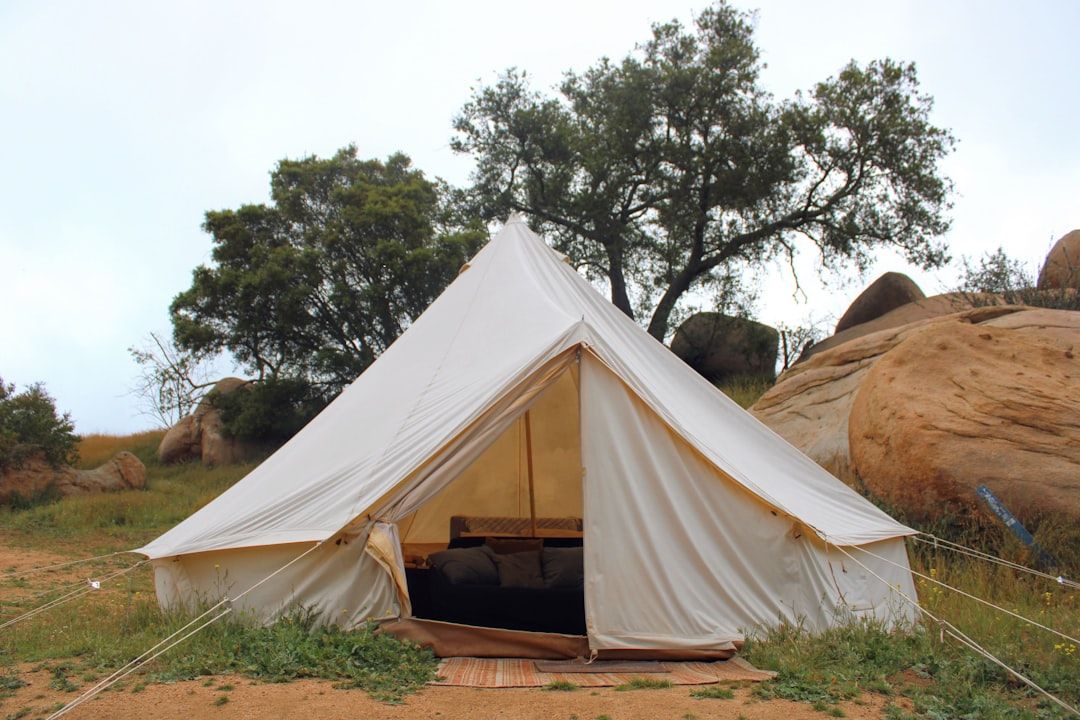
- Versus a safari tent — the Airstream wins on climate control and on bathroom quality, and loses on space and on the feeling of being outdoors. If the weather is the problem, take the trailer.
- Versus a cabin — the cabin wins on space, storage and stay length. The Airstream wins on design and on how much you end up using the outdoor area. For one or two nights, the trailer is more fun.
- Versus renting an Airstream to tow — a completely different holiday. Towing means campsite hookups, levelling blocks, dump stations and a vehicle rated for the load. Do not confuse the two when you book.
Booking notes worth having
- Ask which row. Sites have interior and perimeter positions, and the perimeter ones — backing onto trees, water or open desert — are worth the upgrade in a way the photos do not convey.
- Check the fire policy before you travel. Western sites impose fire bans in late summer, and the fire pit is half the reason to be there.
- Confirm pet rules per unit, not per site. Many locations allow dogs in some trailers only.
- Book midweek if the trip is flexible. It is the largest single saving available.
- Read the cancellation window before the rate. Trailer sites commonly run a 7 to 14-day free-cancellation cutoff — considerably tighter than a hotel — and peak-weekend bookings are often non-refundable outright. If your dates are uncertain, that policy matters more than the nightly saving you were comparing.
- Check what "pet friendly" costs. Where dogs are allowed there is usually a one-off fee of US$50–75 per stay, charged per animal rather than per night.
Can you work from one?
People increasingly try, and it is the use case the format handles worst. There is no desk. There is a dinette that converts, at which you will sit sideways, and a bed you should not work from because it is also where you sleep in a space with no separation between the two. Connectivity is the second problem: the sites worth booking are chosen for redwoods, desert or vineyard, and all three are hostile to mobile signal. Site wifi exists at most locations and is shared across every trailer on the property, which on a Saturday means it is effectively decorative.
If you must work a day mid-stay, plan to do it from the clubhouse rather than the trailer — most sites have one, with real tables and the strongest signal on the property — and treat anything requiring video as needing a fallback. A one-day overlap is fine. A working week is a mistake; rent a cabin.
Choosing between locations
Since the trailers are interchangeable, choose on what is outside the door:
- Redwood and river sites (Northern California) — the strongest all-round choice. Shade, swimming, and a temperature swing that justifies the air conditioning. Best in late spring and early autumn; midsummer weekends book months out.
- Wine country (Willamette Valley, Sonoma) — the case here is walkability. Being able to walk back from a tasting room is worth more than any feature of the trailer.
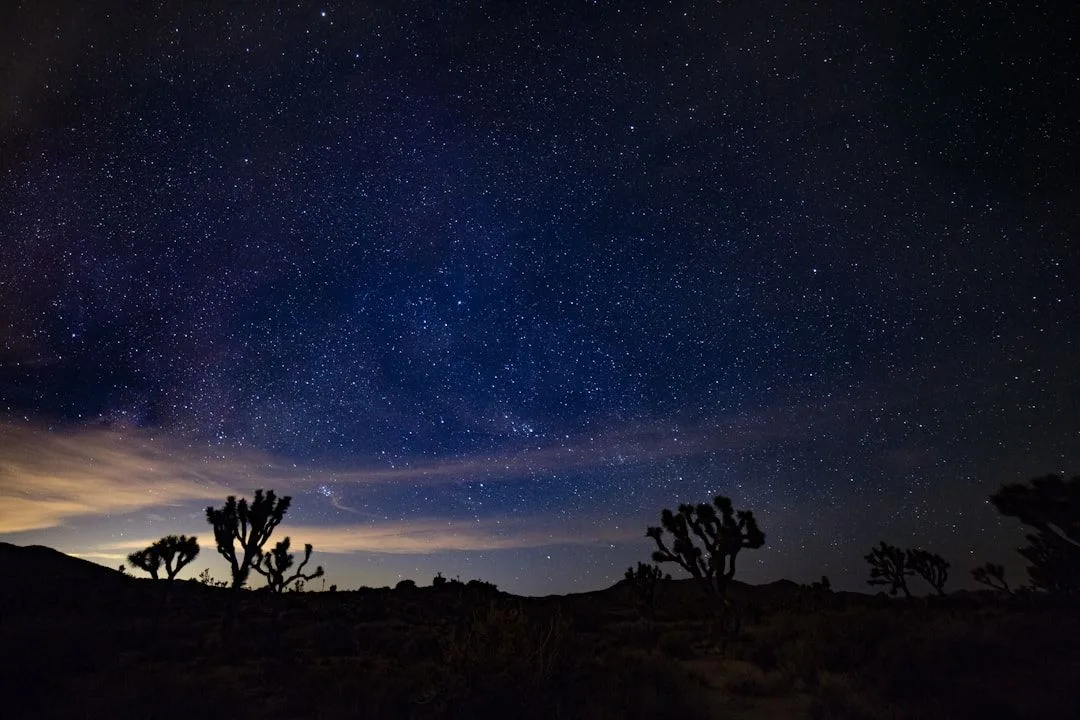
- Desert (Joshua Tree, southern Utah) — the best night skies and the clearest argument for metal over canvas. Check the forecast: these sites are excellent in spring and autumn and genuinely unpleasant in a July heatwave, air conditioning or not.
- Coastal (Cape Cod, Pacific Northwest) — short season, damp shoulder months, and the fire pit — half the point — is the first thing lost to a wet evening.
If you are booking your first one, take a river site midweek in September. It is the version of this that converts people.
The verdict
Airstream glamping is the right answer for a two-night trip where the weather might turn, the point is the location rather than the room, and you want a proper bathroom at the end of the day. It is the wrong answer for a family week. Book it midweek, ask for a perimeter site, pack soft luggage, and it is genuinely hard to beat at the price.
Frequently Asked Questions
Do you drive the Airstream yourself?
No. At glamping sites the trailers are permanently parked and connected to power, water and sewer. Renting one to tow is a separate thing entirely, and requires a vehicle rated for the load plus campsite hookups.
How much does an Airstream stay cost per night?
Roughly US$180–400 depending on season and day of the week, plus an amenity fee of US$20–40. Midweek rates run around 40% below peak weekends, and most sites impose a two-night minimum on weekends.
Is an Airstream big enough for a family?
Usually not comfortably. Most units are fitted for two, sometimes four, in under 27 feet with very little storage. For families or stays longer than three nights, a cabin at the same rate gives you considerably more room.
Do Airstreams have private bathrooms?
Yes. Purpose-built glamping Airstreams include a private bathroom with a shower, along with a kitchenette and air conditioning. That climate control is the main advantage over a canvas tent in high summer or late autumn.
What should I pack differently?
Soft bags rather than hard suitcases — there is nowhere to store a rigid case except the walkway. Otherwise pack as you would for a cabin; bedding, towels and kitchen basics are provided.