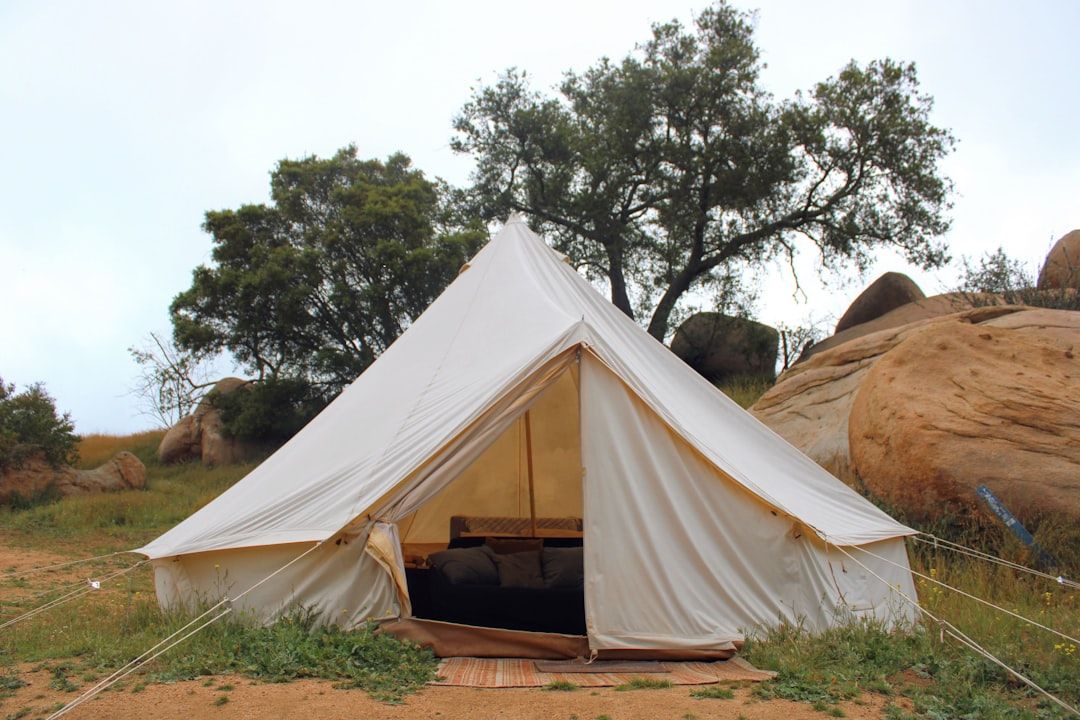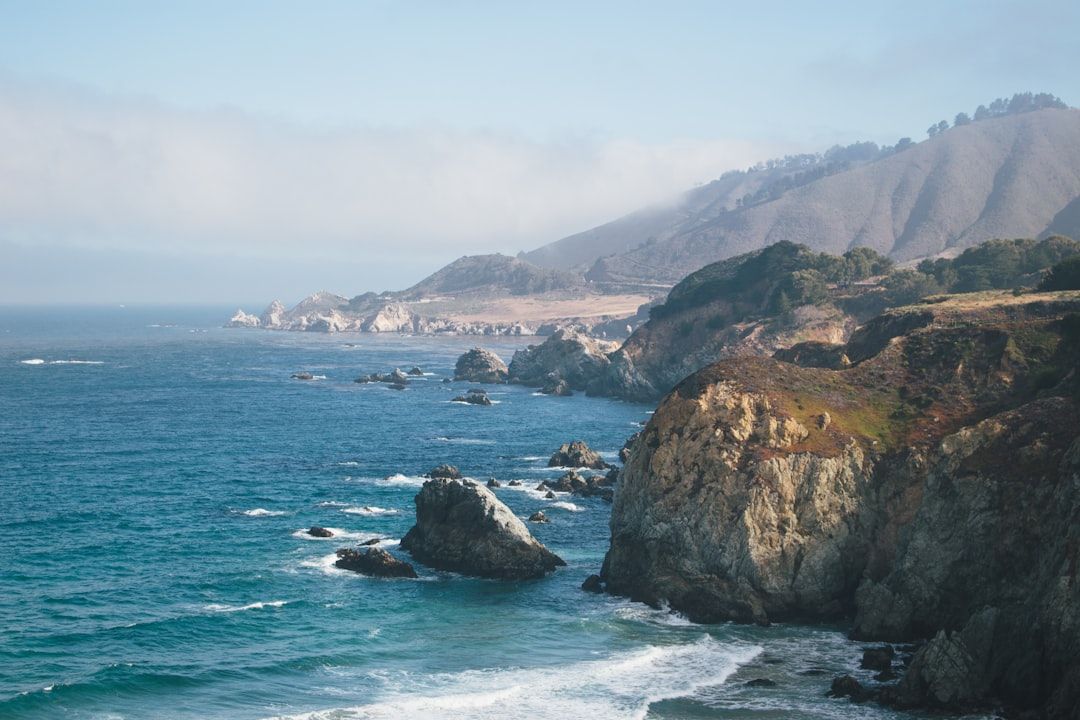
Costa Rica does glamping properly, largely because the country's whole tourism identity was built on staying in nature without wrecking it. The choice that matters is not which lodge but which ecosystem, because a tent that works on the Nicoya coast is the wrong tent in the cloud forest.
The four regions
| Region | Character | Night (2p) | Best months |
|---|---|---|---|
| Arenal / La Fortuna | Volcano, hot springs, warm | $130–260 | Dec–Apr |
| Monteverde | Cloud forest, cool, misty | $120–220 | Dec–Apr |
| Nicoya / Guanacaste | Pacific beaches, dry | $180–450 | Dec–Apr |
| Osa Peninsula | Primary rainforest, remote | $250–600 | Dec–Apr |
Arenal is the easy first choice
La Fortuna sits below a near-perfect volcanic cone, at low enough elevation to be warm and with enough infrastructure that you are not committed to eating at your lodge every night. Glamping domes here often face the volcano directly, and on a clear morning that view from bed is the single best thing the country's glamping offers.
The hot springs are the other argument. Several are geothermally heated by the volcano and open late, which pairs well with a tent that has no bathtub.
The caveat: Arenal generates its own weather. The summit is frequently in cloud, and lodges advertising volcano views cannot promise you will see it. Two nights improves your odds substantially over one.
Monteverde is colder than people pack for
The cloud forest sits at 1,400 metres, and night temperatures drop to 12–16°C with persistent mist. Visitors who packed for a tropical holiday arrive and are cold, in a tent, in fog.
That said, the forest itself is extraordinary, the hanging bridges are genuinely worth the trip, and a well-built dome with a heater is a lovely place to be while cloud moves through the trees outside. Just bring a fleece and long trousers, and check that the unit has heating rather than assuming it does not need it.
The coast: dry heat, higher prices
Guanacaste and the Nicoya Peninsula are the driest part of the country, which makes them the most reliable for sun and the most comfortable for canvas. Santa Teresa and Nosara have the highest concentration of design-led tented properties, and the prices reflect it.
This is the region where glamping most resembles a hotel with fabric walls: proper bathrooms, plunge pools, restaurants. If your priority is comfort with a view of the Pacific rather than immersion in forest, go here.
Osa is the real thing and the hardest
The Osa Peninsula holds the largest remaining lowland primary rainforest on the Pacific side of Central America, and Corcovado National Park is the most biodiverse place in the country. Lodges here are genuinely remote — some reachable only by boat or small plane — and most are all-inclusive because there is no alternative.
It is also the most humid, the buggiest and the most expensive. Worth it if wildlife is the point of the trip. Not worth it if you want a relaxing few nights.
Humidity, which is the actual comfort question
Lowland Costa Rica runs at 85–95 percent humidity. Practical consequences: laundry does not dry, a towel used in the morning is still damp at night, and bedding can feel clammy even in a spotless tent.
What separates a good property from a bad one is airflow. Ask whether the unit has a ceiling or standing fan — more useful than air conditioning, which most eco lodges avoid on principle. Raised platforms, good screening and a covered deck all help. A sealed tent with a small window in Osa in September is a mistake.
Timing
December to April is dry season on the Pacific side and the default recommendation. May, June and November are the value months: afternoon showers, dramatically greener landscapes, lower rates.
September and October are the wettest on the Pacific and many small lodges simply close. The exception worth knowing is the Caribbean coast, which runs on the opposite cycle and has its best weather in September — so a trip in that window should go to Puerto Viejo rather than Nosara.