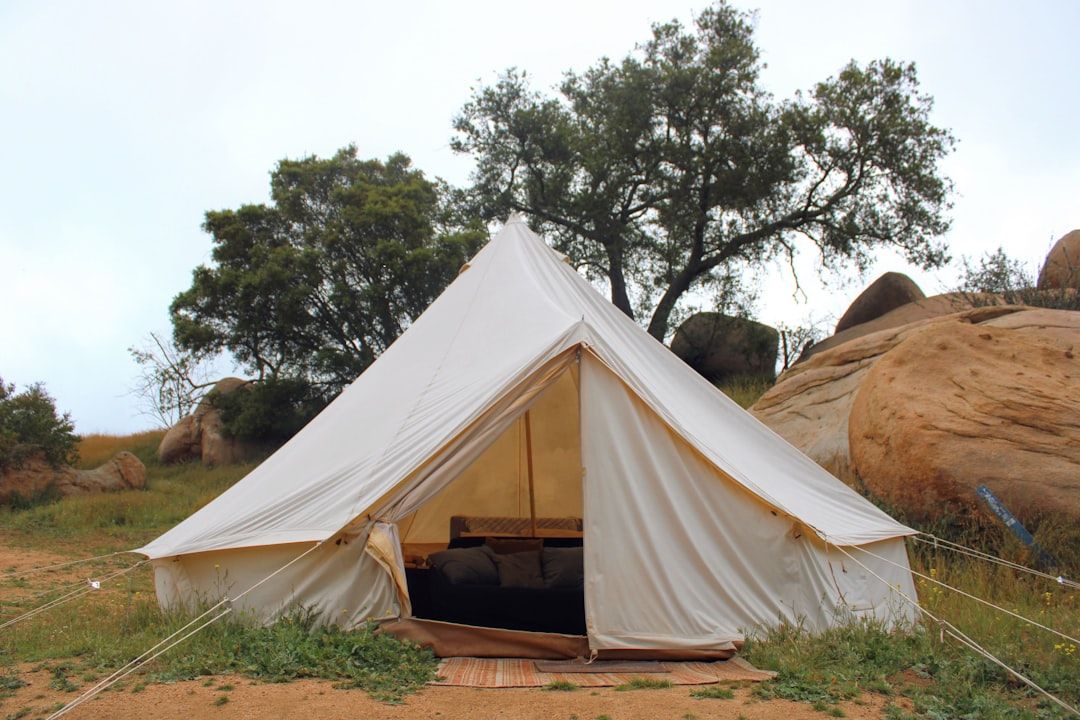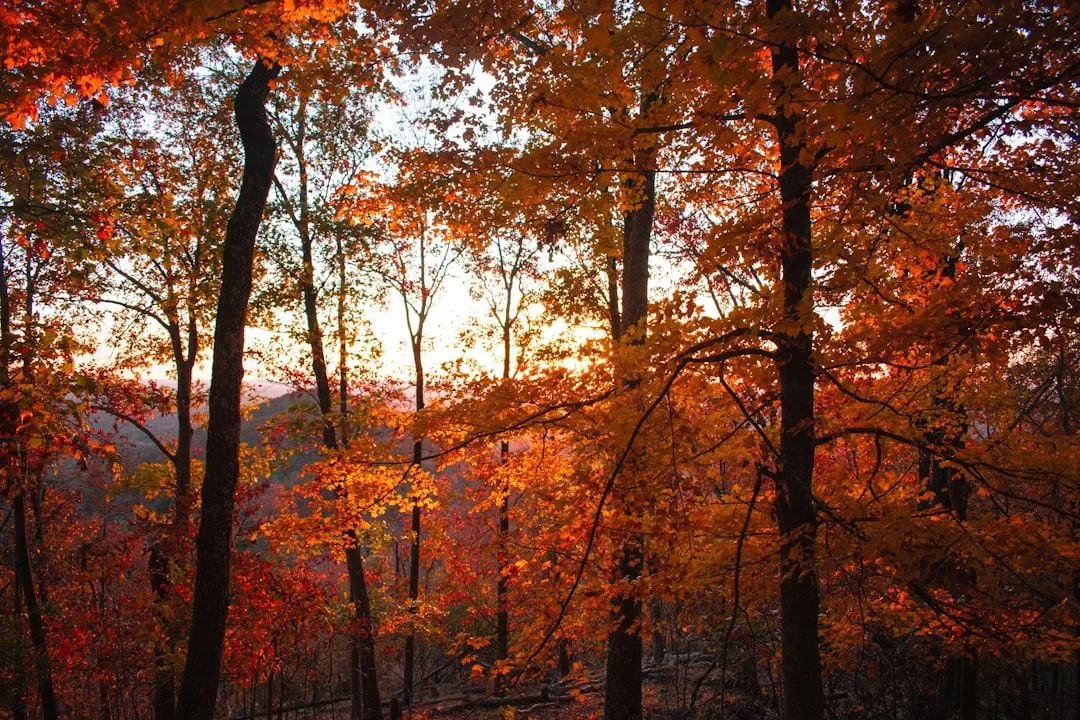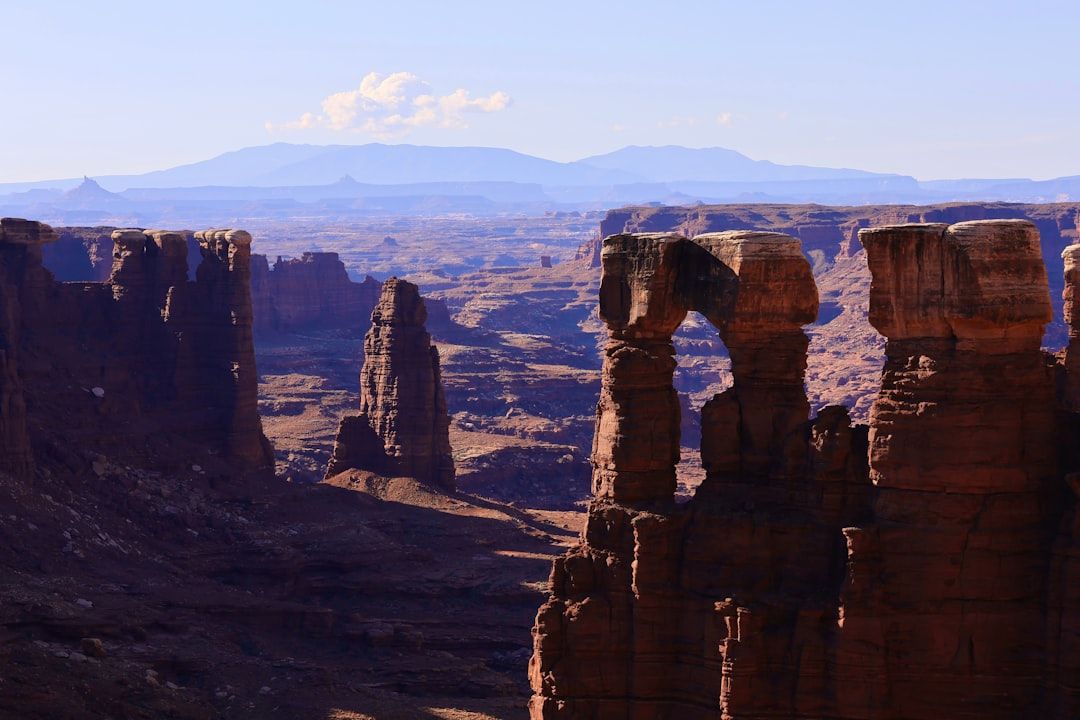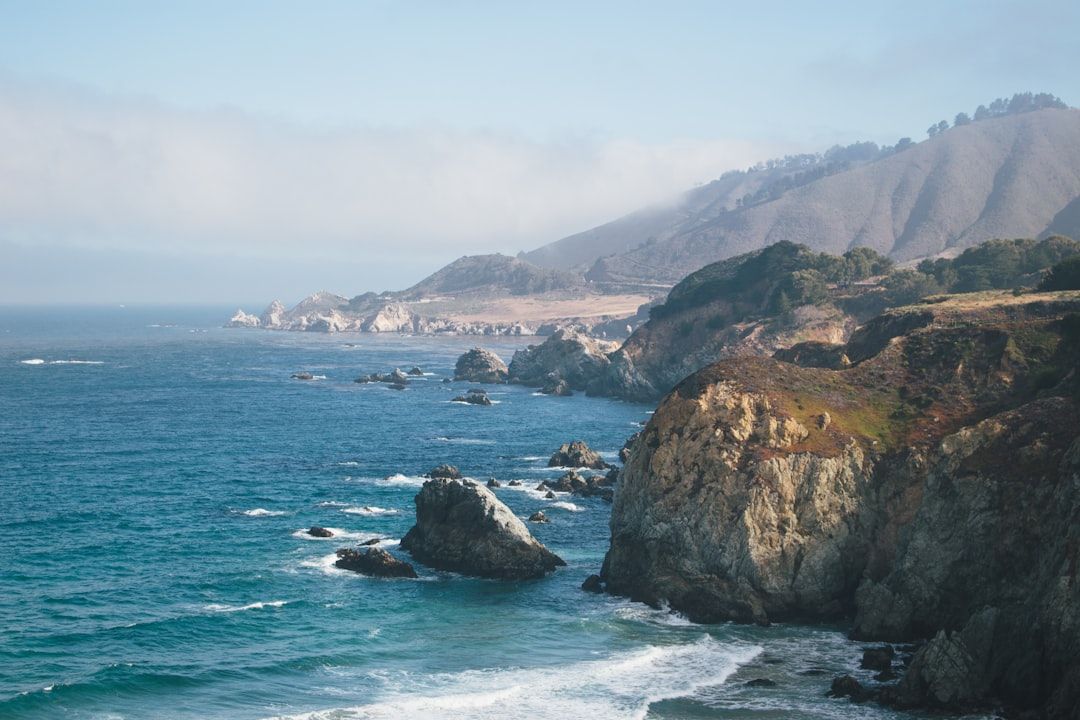
California is not one destination for this. It runs three quite different outdoor climates at the same time, and each peaks in months when at least one of the others is at its worst. Choosing by scenery rather than by season is the reliable way to end up in fog, snow or dangerous heat.
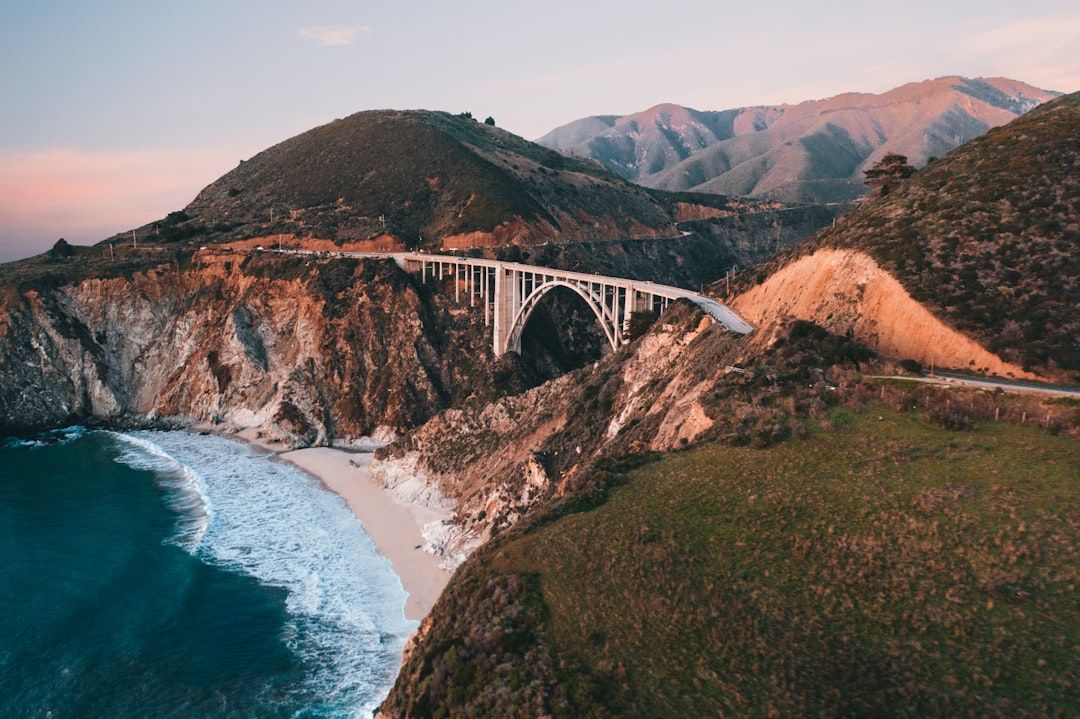
The coast: Big Sur and the north
The most photographed option and the most misunderstood. Big Sur is a stretch of Highway 1 where the Santa Lucia mountains fall straight into the Pacific, with redwoods in the canyons behind. Sites are few, because there is almost nowhere flat to put them, and they book out far ahead.
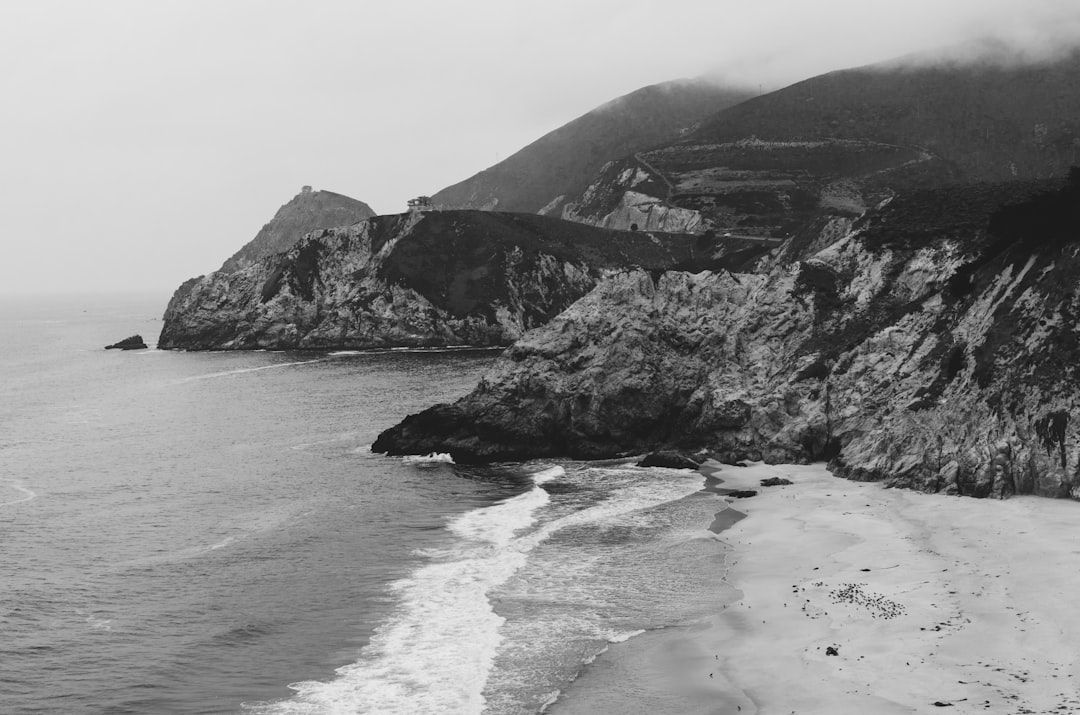
The thing to understand is fog. Cold ocean water and warm inland air produce a marine layer that sits over the coast through much of June, July and August — the local name is June Gloom and it is not a joke. Summer visitors regularly arrive to grey and 15C.
September and October are the coast's real summer: clearest skies, warmest water, thinnest crowds. Plan around that if you can.
Further north, the redwood country toward Mendocino and Humboldt is cooler, wetter and quieter, with the tallest trees on earth and a fraction of the traffic.
The Sierra: Yosemite and the high country
Alpine, and constrained by snow at both ends. The season is roughly June to September; the high roads including Tioga Pass typically open in late May or June and close with the first serious snow, and those dates vary by many weeks between years.
Glamping here mostly sits in the gateway communities outside the park, because in-park lodging is limited and booked out a year in advance. Expect a drive in, and expect the entrance queues to be substantial mid-morning in summer — arrive before eight or after four.
Nights are cold. At elevation, single-figure Celsius in midsummer is normal, so check what heating your tent actually has.
Note that Yosemite has used a timed-entry reservation system in peak periods in recent years. Check the current requirement before you travel, because it changes between seasons and is enforced.
The desert: Joshua Tree, Anza-Borrego, Death Valley
The inverse season. October to April is the window; summer daytime highs make canvas accommodation genuinely unsafe rather than merely uncomfortable, and in Death Valley the extremes are among the highest recorded anywhere.
What you get in exchange is the best night sky in the state, spring wildflowers in years when the winter rains cooperate, and complete silence. What you must plan for is the temperature swing: desert air holds no moisture and therefore no heat, so a warm afternoon becomes a near-freezing night.
Wine country and the inland valleys
Sonoma, Napa and the Santa Ynez valley have a growing set of upmarket sites, often on vineyards. The appeal is proximity — an easy drive from the Bay Area or Los Angeles — and the fact that you can walk from the tent to a tasting room.
Season is long here, spring through autumn, with high summer hot inland. This is the softest option on the list and the one that suits a two-night trip rather than a week.
Fire season, which belongs in the plan
Late summer through autumn carries the highest wildfire risk in the state, and it affects glamping specifically: sites close at short notice, smoke can make an area unpleasant or unhealthy for days from a fire hundreds of kilometres away, and utilities sometimes carry out precautionary power shutoffs.
None of that is a reason not to go. It is a reason to check current conditions in the week before you travel, to book somewhere with a clear cancellation policy, and to have a fallback region in mind — which is easier in California than almost anywhere, because the three climates are far enough apart that one is usually unaffected.
Picking, quickly
Travelling in winter or early spring: the desert. Travelling in July or August: the Sierra, and accept the crowds, or the coast if you can tolerate fog. Travelling in September or October: the coast, which is when it is at its best and when most visitors have gone home.