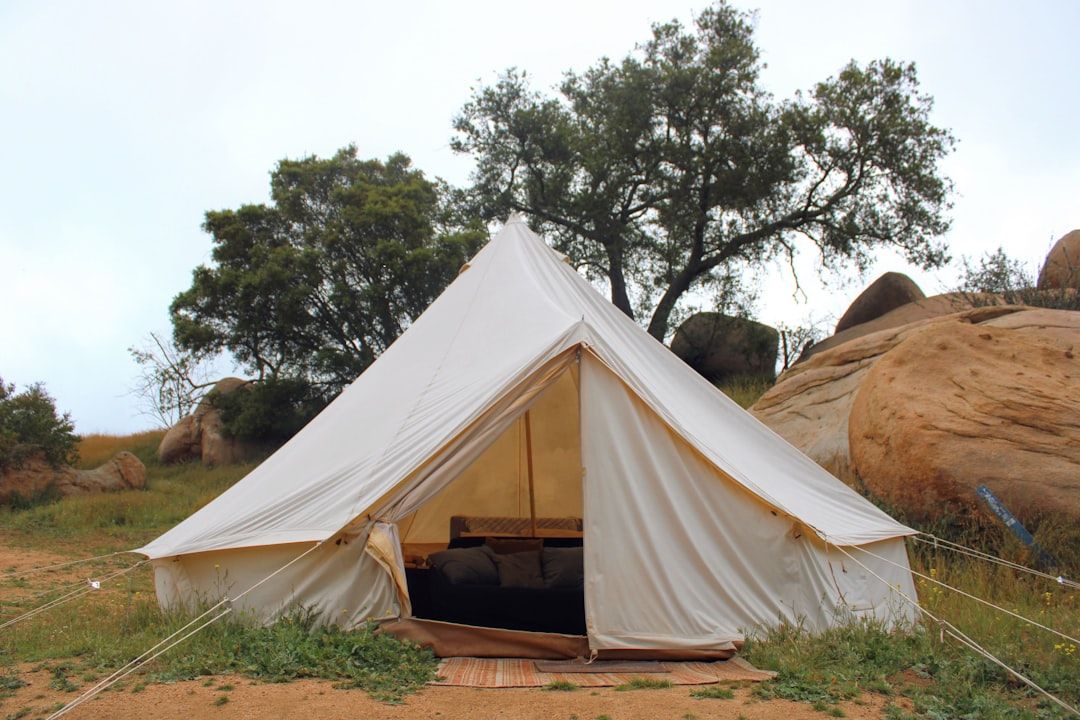
The United States is not one glamping destination, it is nine or ten, and the useful question is never "where is the best" but "where is in season when I can travel". Somewhere is always at its best; somewhere else is always unbearable.
Utah and the desert Southwest
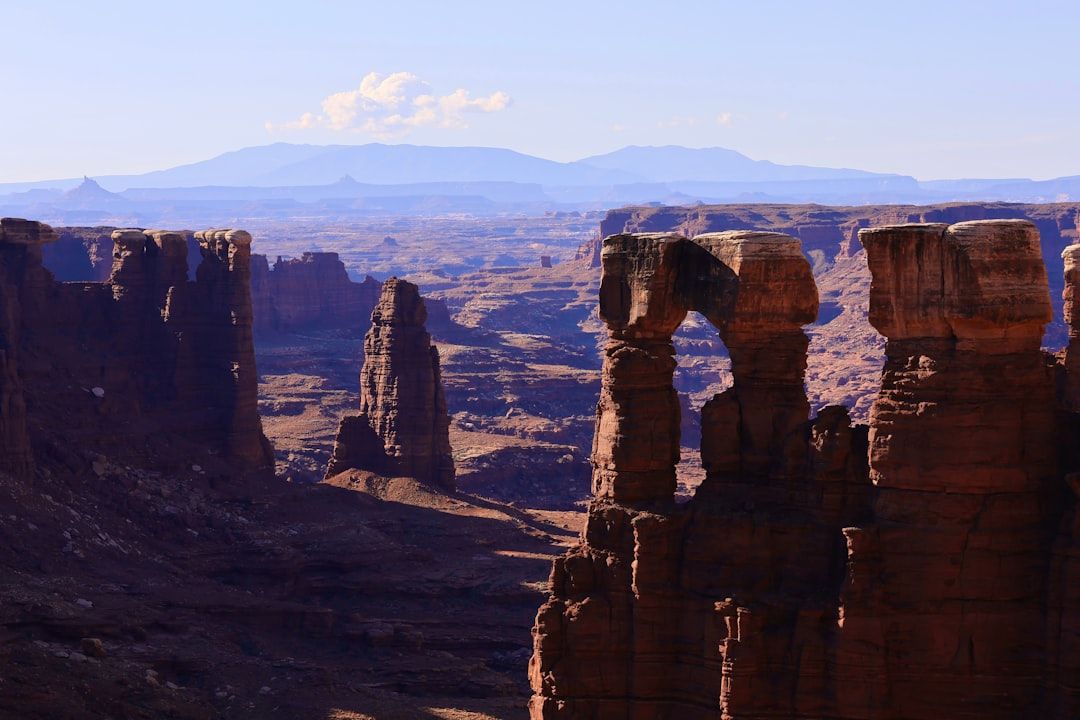
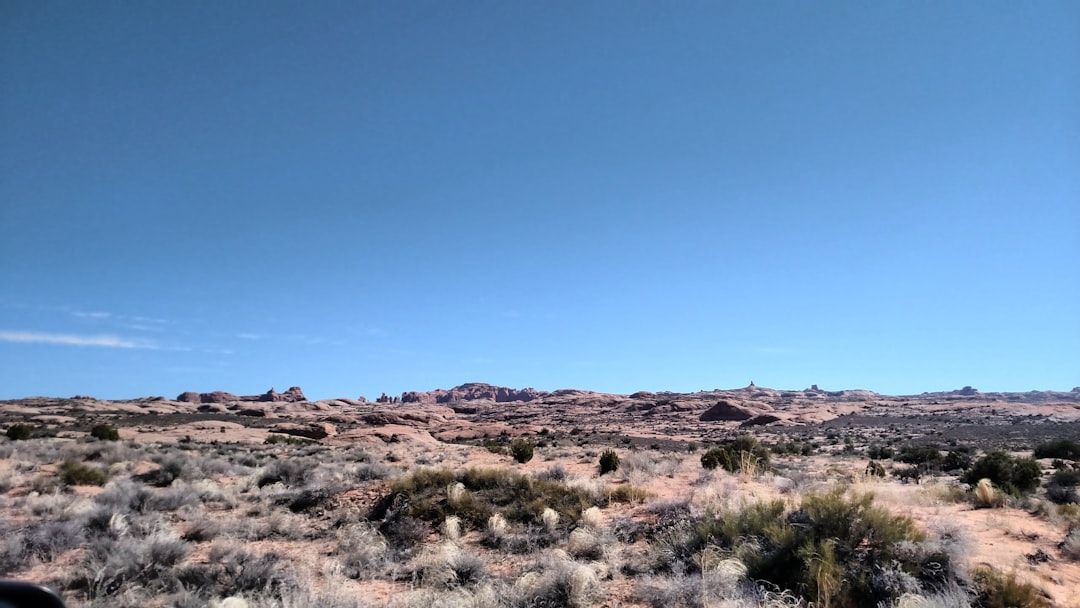
Canyon country — Moab between Arches and Canyonlands, the corridor toward Zion and Bryce, and the Sedona red rocks in Arizona. This is the most photogenic glamping in the country and the reason many people try it at all.
Season is spring and autumn: roughly March to May, and September to October. High summer is dangerous rather than merely hot, with temperatures well above 38C and little shade. Winter is quiet, cold and clear, and Bryce in snow is remarkable if you are equipped for it.
The Rockies
Colorado, Wyoming and Montana, with the gateway towns for Yellowstone, Grand Teton and Glacier carrying most of the sites.
Summer only, effectively — June to September, with high passes opening late and closing early. Nights are cold at elevation in every month. Book Yellowstone and Glacier gateways as far ahead as you can stand; supply there is genuinely fixed by geography.
The Pacific Northwest
Washington and Oregon: rainforest on the Olympic peninsula, the Cascades, and a coastline that is wilder and emptier than California's.
The season is short and specific. July through September is the dry window, and it is reliably dry — the rest of the year is wet enough that canvas is a hard sell. Within that window it is among the best in the country.
California
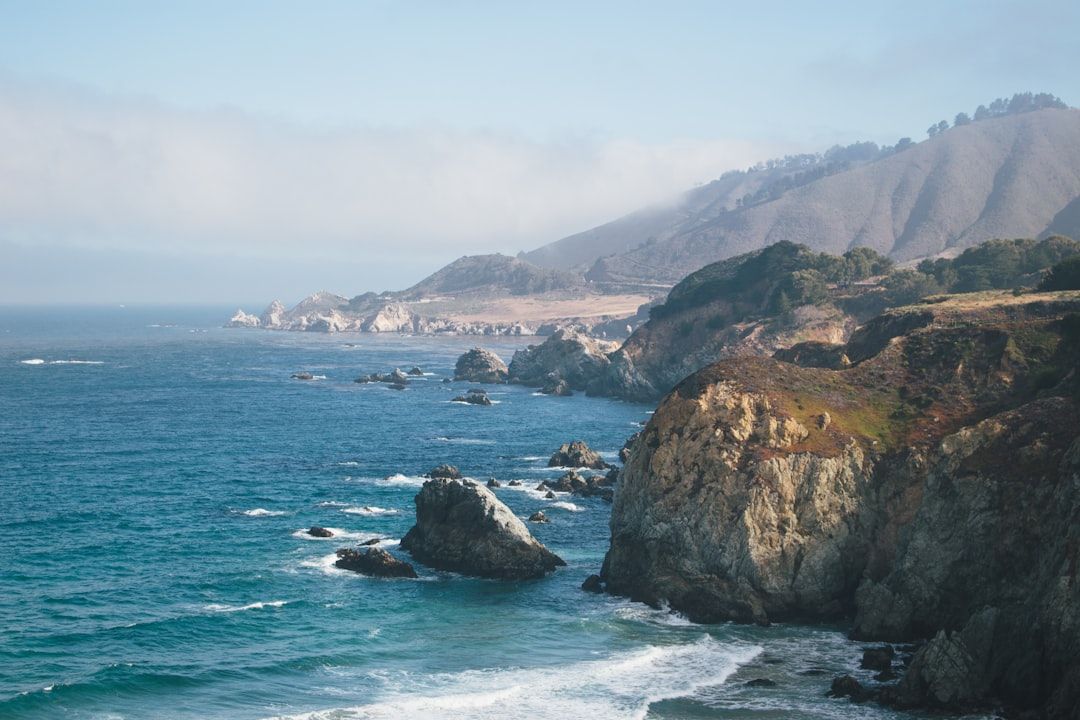
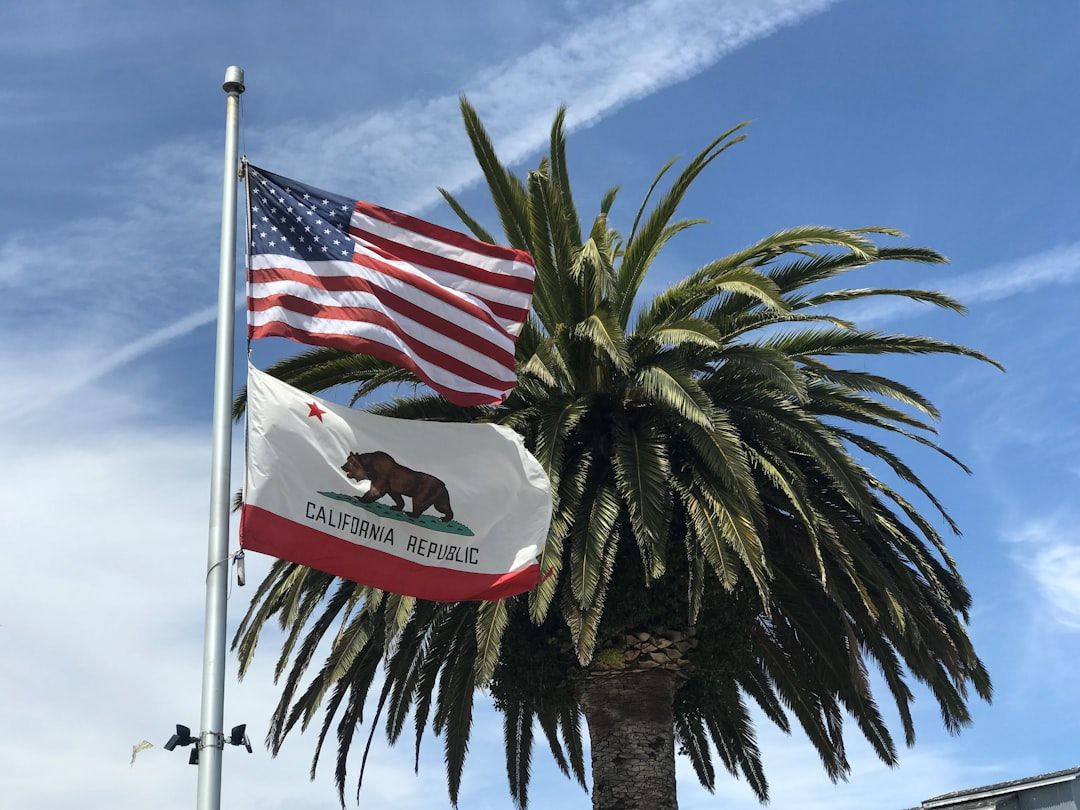
Three climates at once — coast, Sierra, desert — peaking in different months, which is covered in more detail in our California guide. The short version: desert in winter, Sierra in summer, coast in September and October when the fog finally lifts.
New England
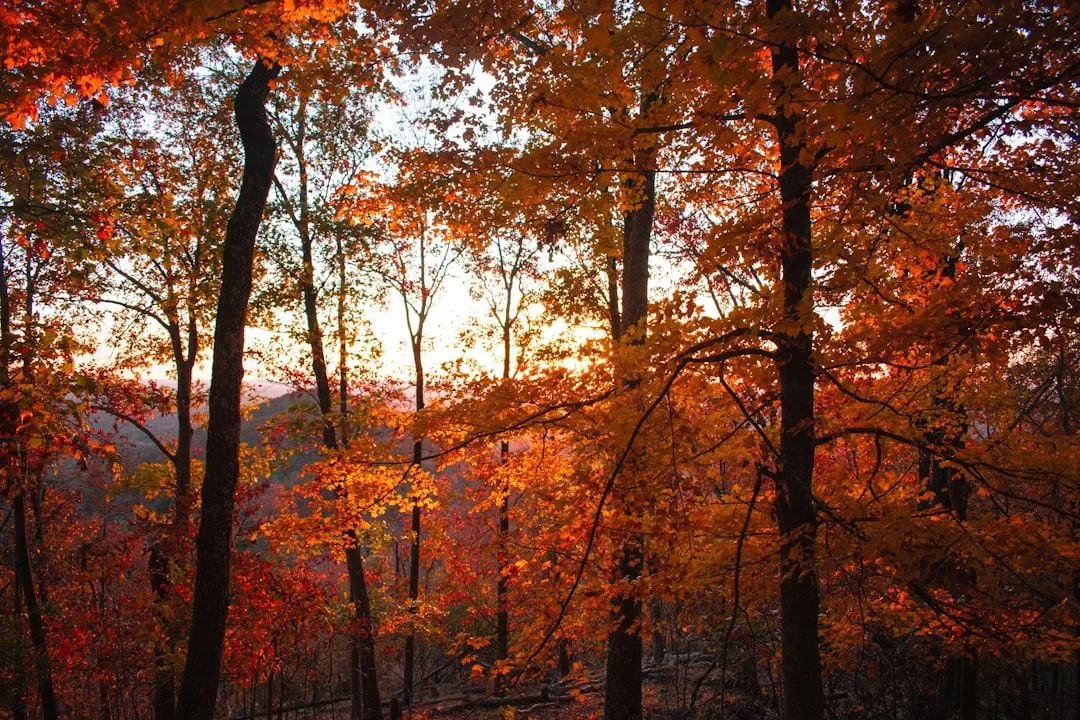
Maine, Vermont and New Hampshire. Lakes, white pine, and the best autumn colour in the world, which is not hyperbole — the sugar maples do something no other forest does.
Summer is warm and buggy; blackfly season in late spring is a real deterrent. The reason to come is late September into October, and everyone knows it, so book early and expect to pay a premium for foliage weekends.
The Smokies and the Blue Ridge
Tennessee, North Carolina and Virginia. The most visited national park in the country sits here, and the glamping around it is plentiful and comparatively cheap.
Long season, spring through autumn. Spring for wildflowers and waterfalls at full flow, autumn for colour. Summer is hot and humid and the park is at its busiest.
Texas Hill Country
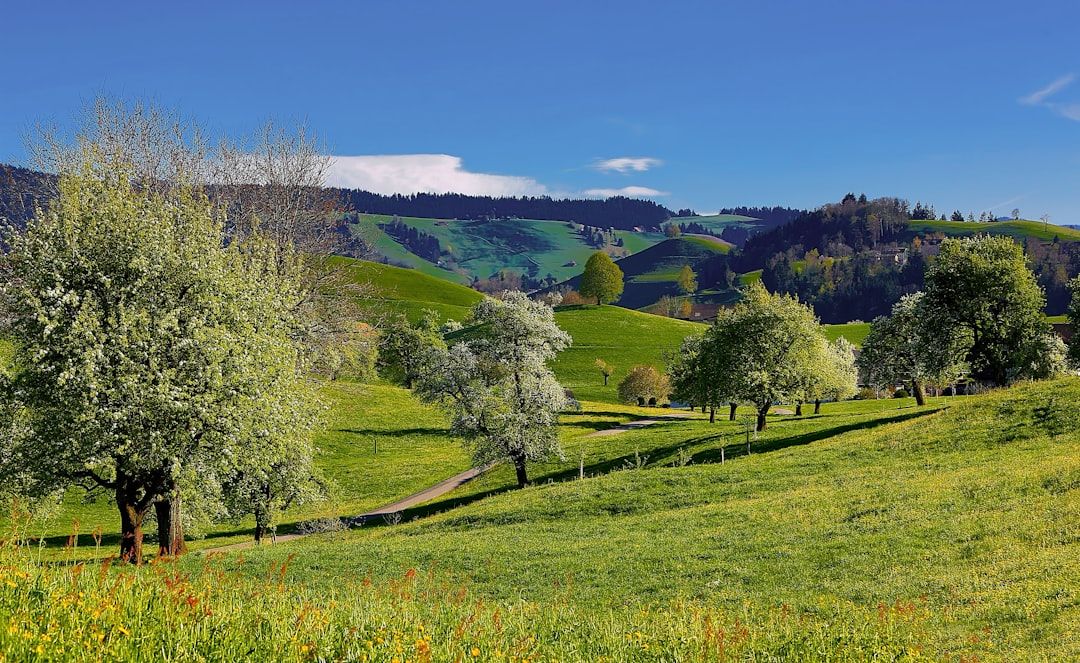
Underrated and good value. Limestone hills, swimming holes, dark skies away from the cities, and a dense cluster of sites within easy reach of Austin and San Antonio.
Spring and autumn. Spring specifically for the bluebonnets, which are genuinely worth timing a trip around. Summer is severe.
Florida and the Gulf
The inverse season again: this is where to glamp in January and February, when most of the country is frozen. Springs, coast, and the Everglades in the dry season when the wildlife concentrates around water and the mosquitoes are tolerable.
Summer is hot, wet and the peak of hurricane season, which runs June to November.
Alaska
The most ambitious option. A very short season — roughly June to early September — long daylight, and landscape at a scale nothing in the lower 48 matches. Expensive to reach and to stay, and worth it once.
Choosing by month
January and February: Florida, the Gulf, the desert Southwest. March to May: Utah, Texas, the Smokies, the desert before it turns. June to August: the Rockies, the Pacific Northwest, New England, Alaska. September and October: almost everywhere is good, and this is the single best window in the country — New England for colour, Utah for temperature, the California coast for its actual summer.
November and December: the desert and the Gulf, and not much else under canvas.