Yellowstone has a supply problem. The park is enormous, the season is short, in-park lodging is limited and books out a year ahead, and the gateway towns that absorb the overflow are small. Glamping has grown to fill that gap, which makes it a genuinely good option here — provided you book far earlier than feels reasonable.
Pick your gate first
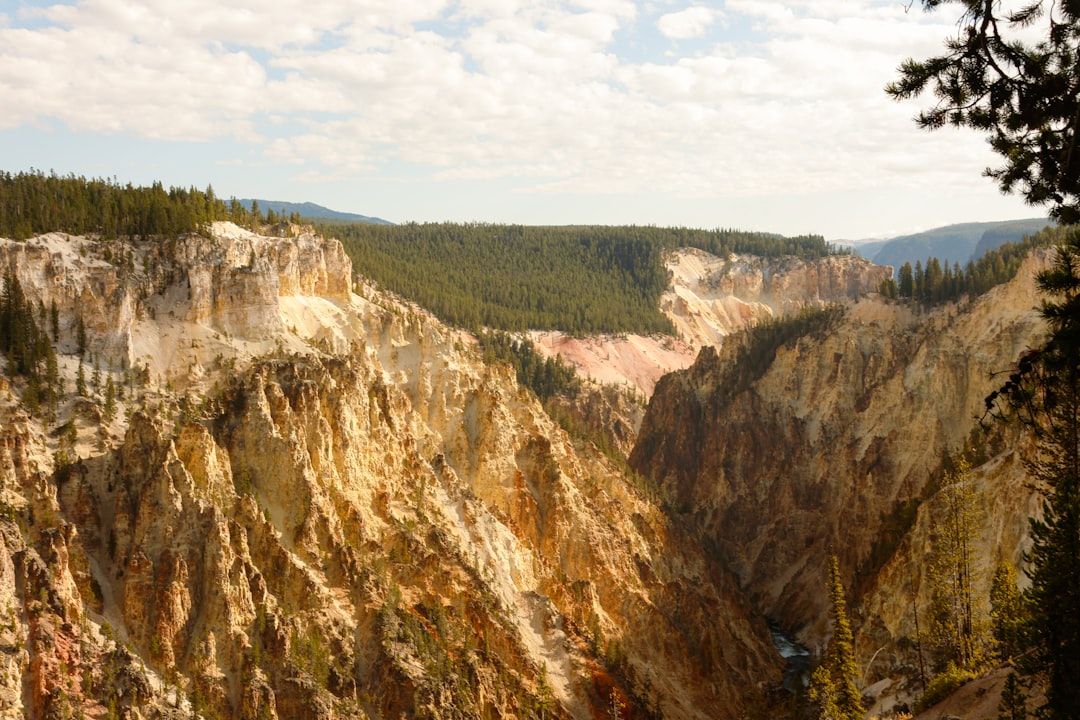
This is the decision that shapes your trip, because the park is large and driving inside it is slow. Distances between the major basins are considerable and the roads are two-lane with wildlife jams.
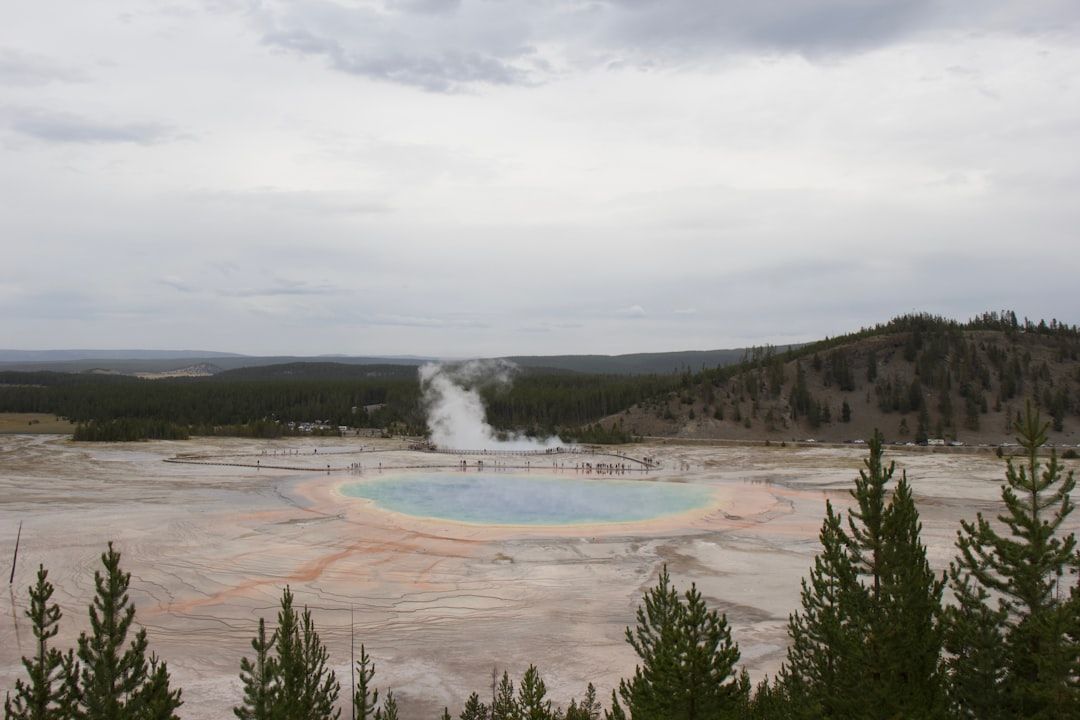
West Yellowstone, Montana is the busiest gateway and the closest to the geyser basins — Old Faithful, Grand Prismatic and the Firehole area. It has the most services, the most accommodation, and the most traffic. If your priority is thermal features, stay here.
Gardiner, Montana is the north gate, and it has two advantages. It is the closest base to the Lamar Valley, which is the best wildlife watching in the park and arguably in the lower 48. And it is the only entrance open to ordinary vehicles year-round, which matters if you are travelling at the edges of the season.
Cooke City sits at the northeast entrance, right by Lamar. It is small and remote, and the Beartooth Highway that reaches it from the east is itself one of the great American drives — but it is closed by snow much of the year.
The season is short and the shoulders are real
Most glamping near the park runs from late May to late September or early October. Interior park roads close to cars from roughly early November to late April, when access shifts to snowcoach and snowmobile.
July and August are peak in every sense: warmest, busiest, most expensive, hardest to book. Late May and early June give you calving season, active wildlife, waterfalls at full melt, and the possibility that some higher roads have not opened yet. September is the best compromise — thinning crowds, the elk rut in full voice around Mammoth, and cold clear nights. Snow in September is not unusual.
Booking, and how early
Earlier than you think. The good sites open their season the previous autumn or winter and fill for summer. If you are planning July or August and it is already spring, take what you can get rather than holding out.
If your dates are fixed and everything is gone, look further out — Island Park in Idaho, or the corridor toward Bozeman — and accept a longer drive in. An hour on the approach is a better trade than not going.
What glamping means here
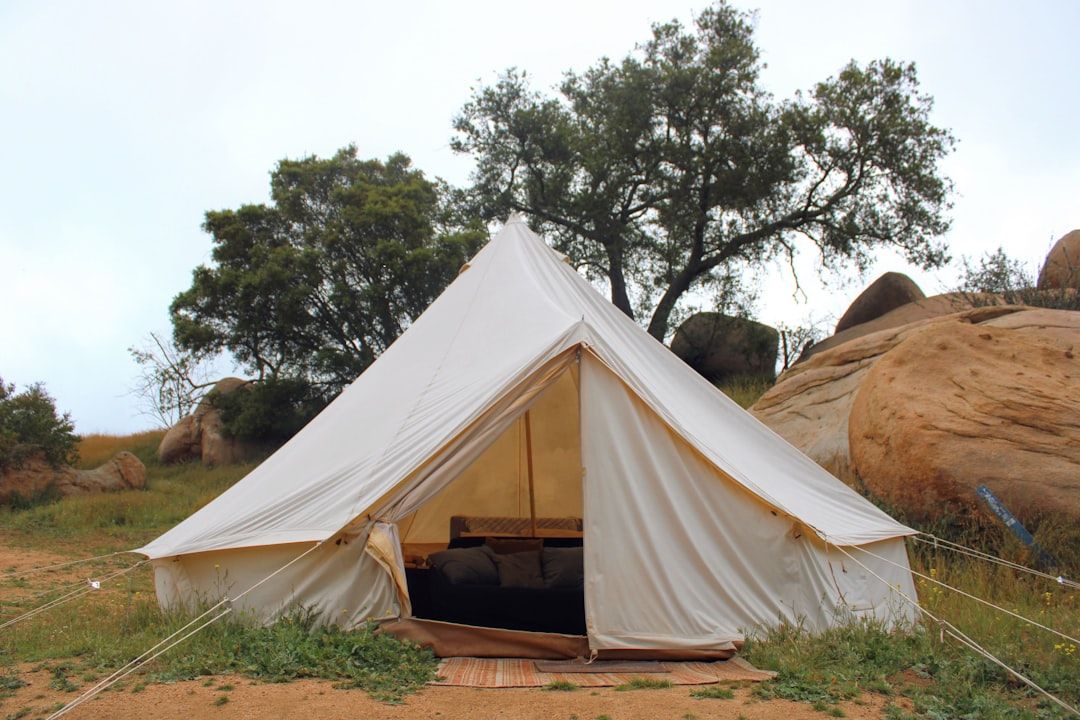
Mostly canvas safari tents on platforms, yurts, and Conestoga-style wagons, usually in a managed camp with a shared bathhouse and sometimes a communal dining tent. Some include meals. Hard-sided options — cabins, tiny homes, Airstreams — are the safer bet at the season edges, because a canvas tent in a September snap is a different holiday.
Check heating specifically, and whether it runs overnight or on a timer. Nights are cold here even in midsummer: the park sits high, mostly above 2,000 metres, and clear nights drop sharply.
Bear country rules, which are not optional
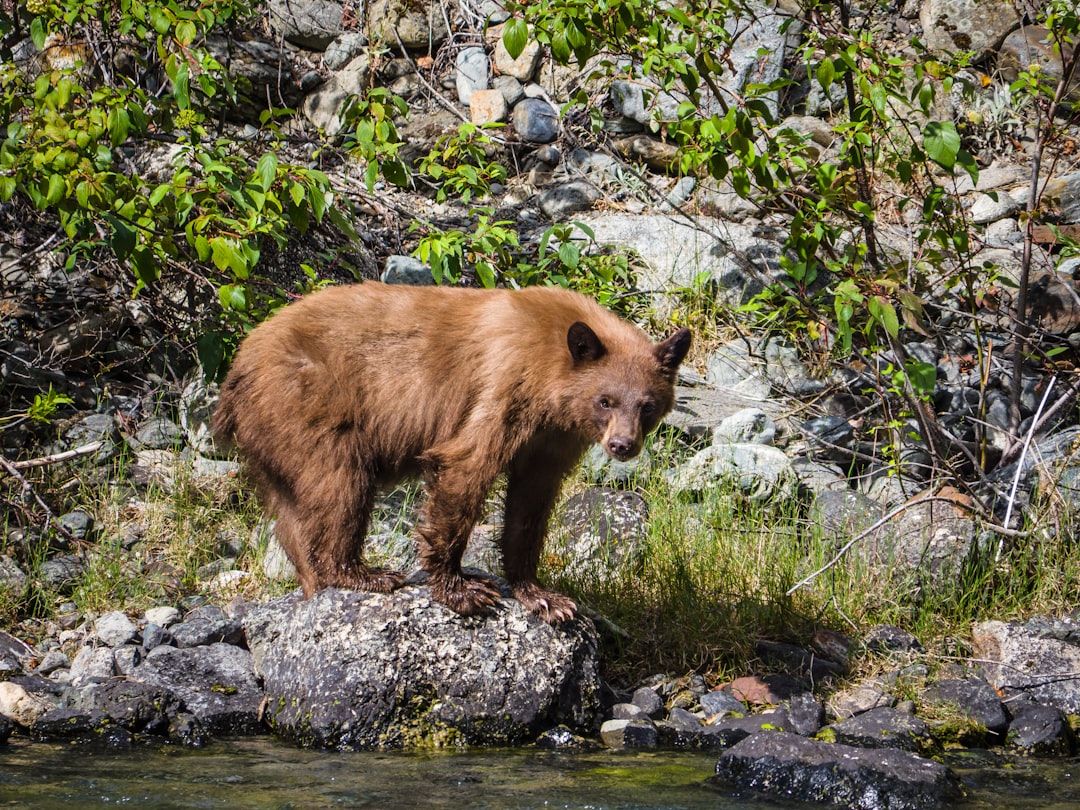
This is grizzly and black bear habitat and the rules exist because they work. All food, rubbish, cookware, toiletries and anything scented goes into the provided bear-proof storage or a hard-sided vehicle. Never in the tent, not even sealed snacks.
Carry bear spray when you walk, keep it accessible rather than in your pack, and know how to use it before you need it. Make noise on blind trails. The park's distance rules are legal requirements, not suggestions: 100 yards from bears and wolves, 25 yards from everything else including bison and elk.
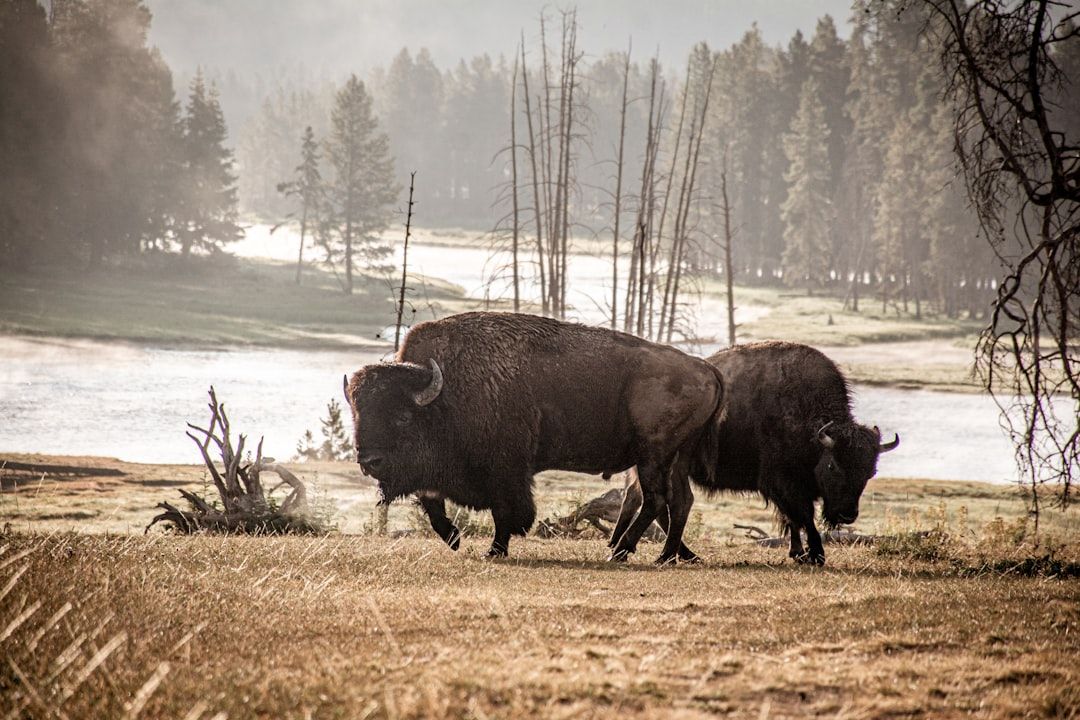
Bison injure more visitors than bears do, every year, and almost always because someone approached for a photograph.
Practical planning
You need a car, and you should fill the tank in the gateway town — fuel inside the park is limited and expensive. Start early: the car parks at Old Faithful, Grand Prismatic and Midway Geyser Basin fill by mid morning in summer, and being there at seven changes the experience entirely.
Mobile coverage inside the park is poor to non-existent. Download offline maps and agree a meeting point with anyone you might get separated from. And build slack into the day, because a bison herd on the road is not a delay you can plan around.