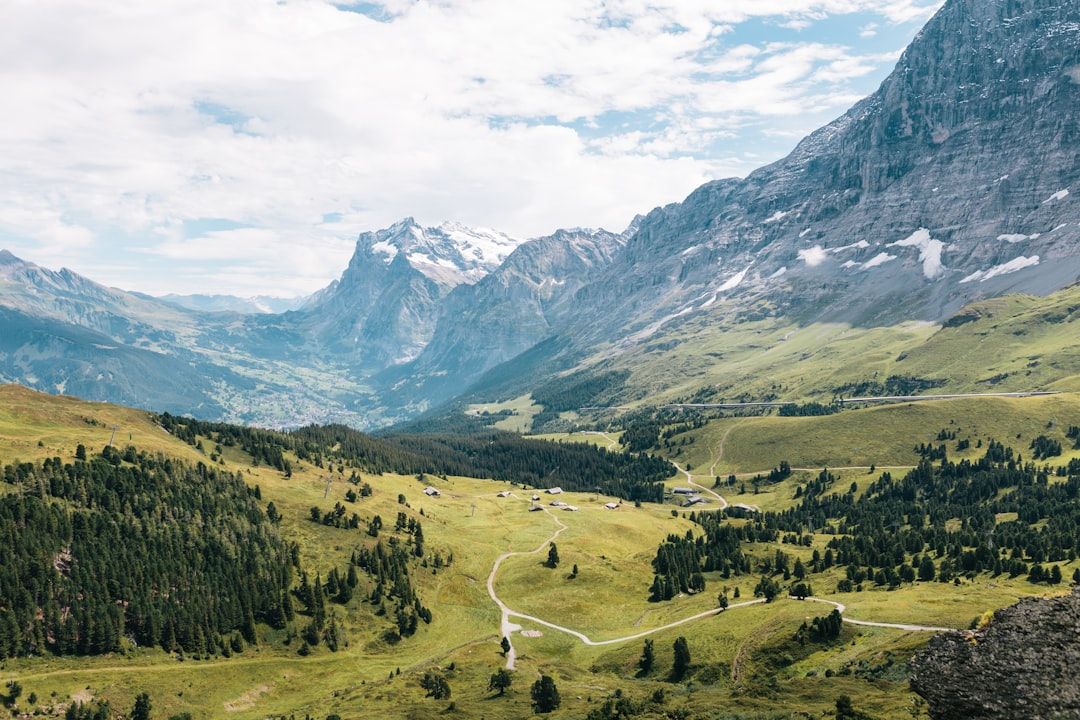
Alpine glamping in Switzerland trades on one thing: position. The sites sit on valley floors and lower pastures where building a hotel would be impossible or ruinously expensive, which means you wake up inside the landscape rather than looking at it from a village. That is the whole proposition, and it is a good one — provided you understand the constraints, because they are real and they are not negotiable.
The season is shorter than you think
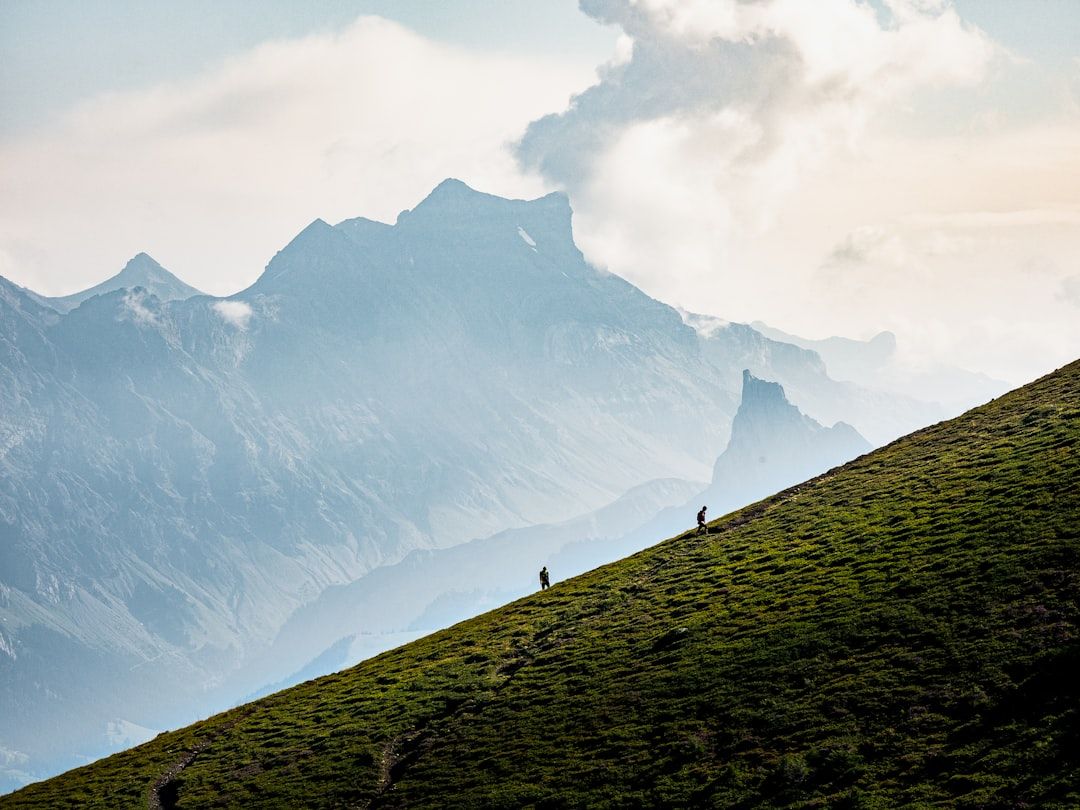
This is the single most common planning mistake. Most alpine sites open in mid to late June and close in mid to late September. Not because of demand, but because of snowmelt, access roads and water systems that cannot be left running through a freeze.
That gives you roughly a fourteen-week window, and the two ends of it behave differently. Late June still has snow on the high passes and full meltwater in the rivers, which is spectacular but limits high walking. September has stable weather, thinning crowds and the first larch colour, and is arguably the best time to be there — but nights get sharply colder and some lifts start reducing service.
Valais versus the Bernese Oberland
Valais is the drier, sunnier southern canton — the Rhône valley and the side valleys running up from it toward the big peaks. It gets noticeably less rain than the north side of the Alps, which for a canvas holiday is not a small thing. Sites tend to sit in side valleys with serious mountains at the head of them.
The Bernese Oberland is greener, wetter and more dramatic in the classic sense: Lauterbrunnen's wall of waterfalls, Grindelwald under the Eiger. It is also far busier, and the transport infrastructure is built for volume. If it is your first time in the Alps and you want the view you have already seen in photographs, go here and accept the company.
Weather, and taking it seriously
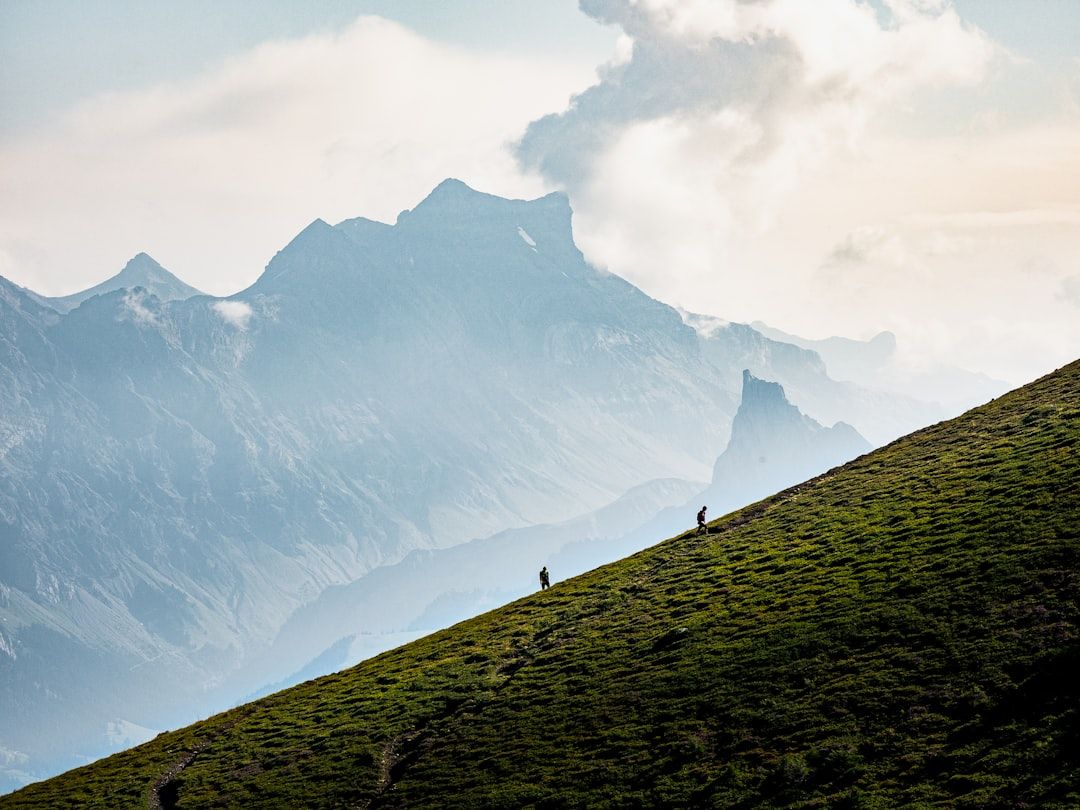
Mountain weather changes faster than the forecast you read at breakfast. Afternoon thunderstorms build through summer and are genuinely dangerous on exposed ground, which is why local advice is always to start walks early and be off ridges by mid afternoon.
For glamping specifically, this means two things. Check what indoor space your site has — a common room or covered kitchen turns a washed-out afternoon from miserable into fine. And pick a pitch with some shelter rather than the most photogenic exposed one, because wind at altitude is what makes canvas unpleasant, not rain.
Getting there
Switzerland is the one place in the Alps where going car-free is genuinely easy. The rail network reaches every major valley, and postbuses connect the villages above the railheads on a schedule that is published, integrated and actually kept. A site within walking distance of a village centre is usually reachable with one train and one bus.
The catch is the last bus. Rural services can finish surprisingly early in the evening, and a missed connection in a mountain valley is an expensive taxi. Check the return timetable before you plan a late dinner in the next village.
What it costs, honestly
Switzerland is expensive and glamping does not exempt you from that. What it does is change the shape of the spending. A pod or tent costs a fraction of a mountain hotel room in the same valley, and — more importantly — a kitchen lets you avoid restaurant prices, which are the real budget killer. Shopping at a village Coop or Migros and cooking most evenings changes the total cost of an alpine week more than any other single decision.
Budget separately and generously for lifts and mountain railways. The cable cars and cog railways that get you to the good walking are priced as attractions in their own right, and they add up fast. If you plan to use several, look at whether a regional pass covers them before buying individually.
What to bring
Layers, and more of them than the temperature suggests. At 1,000 to 1,500 metres, single-figure Celsius overnight is normal in midsummer, and the clearest nights — the ones with the best stars — are the coldest. Sites provide bedding rated for this; what people forget is something warm for sitting outside at nine in the evening, which is when the light is best.
Proper footwear, because the walking starts at the door. And a head torch: alpine sites are deliberately unlit, which is the point when you look up, and a nuisance when you are looking for the bathroom.