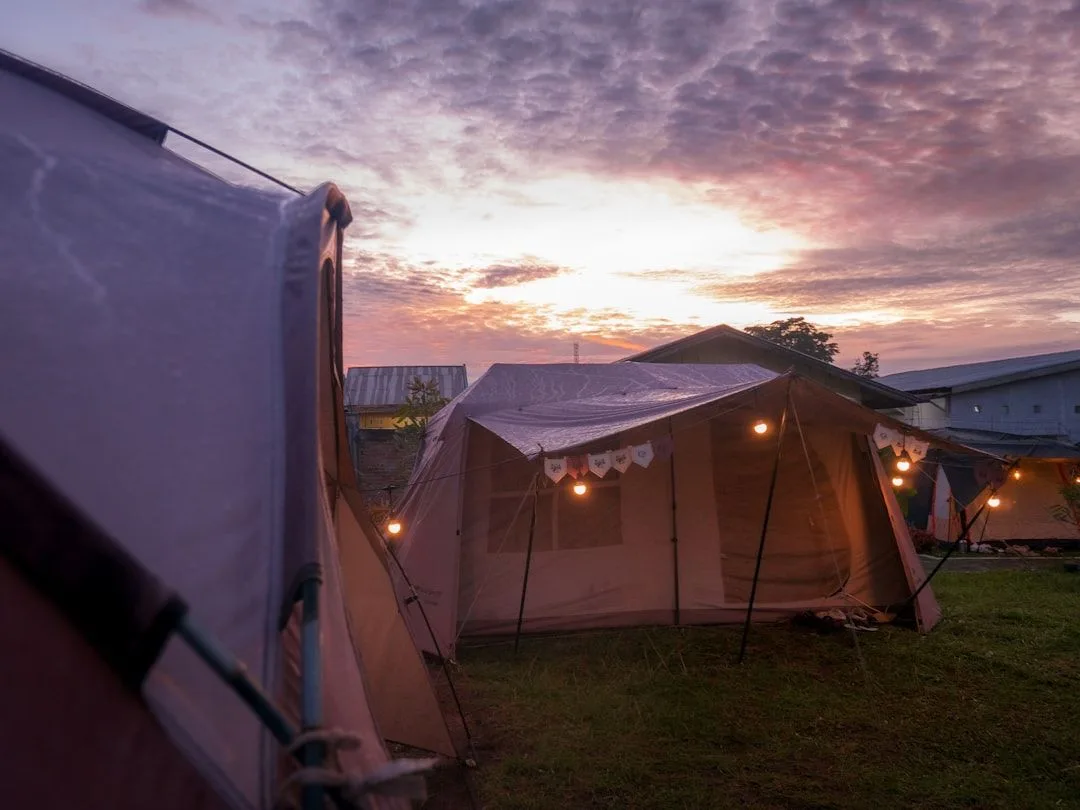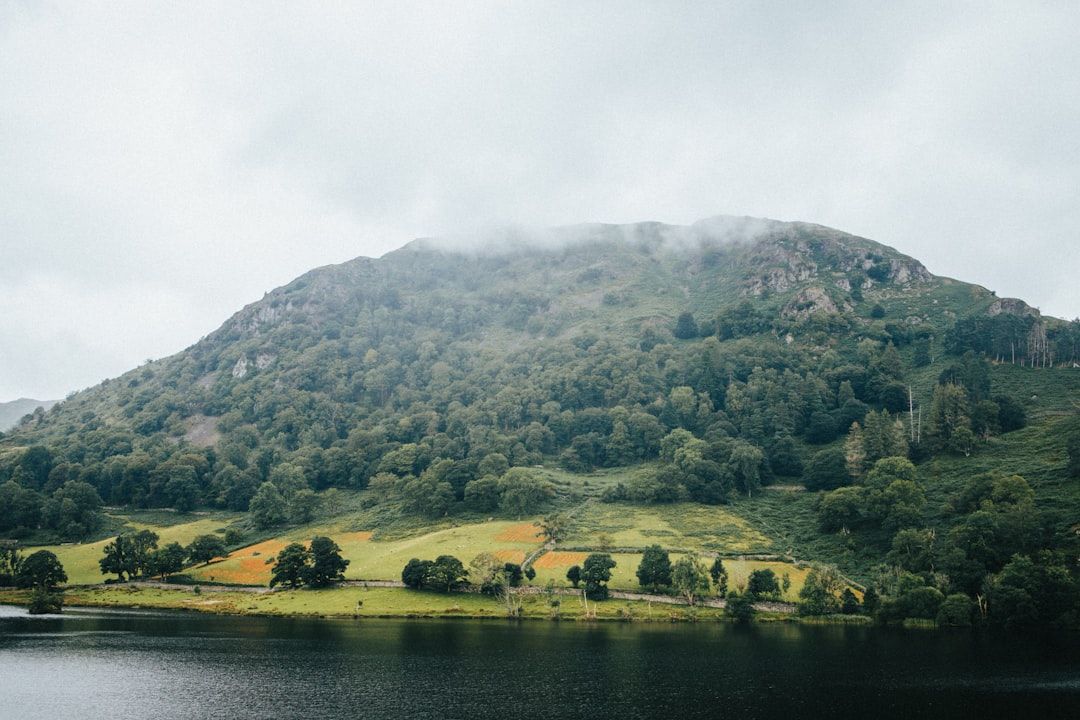
The UK glamps more enthusiastically than anywhere else in Europe, and the reason is mostly the weather. A canvas tent with a wood burner and a solid roof over the door turns a wet week from a washout into something people book again — which is why the good British sites are built around rain rather than in denial of it.
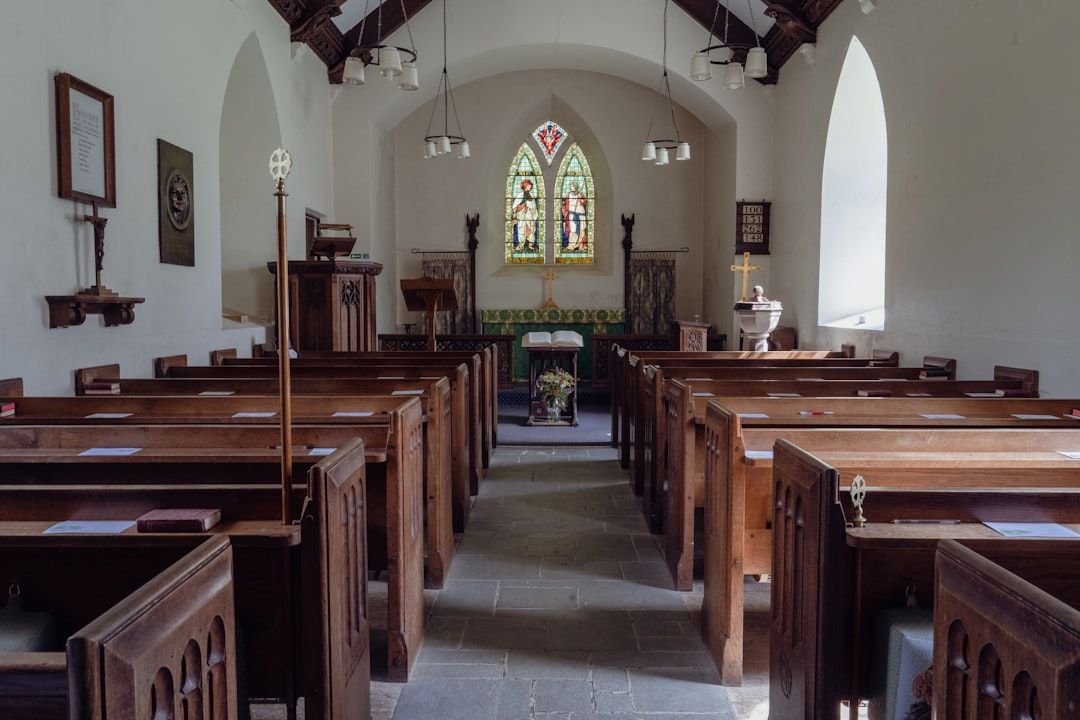
Choosing a region
Cornwall and Devon for coast. The largest concentration of sites in the country, beaches that genuinely rival anywhere in Europe on a good day, and surf. The trade-off is the roads: the A30 in August is a national joke, and lanes near the coast are single track with high hedges. Go outside school holidays if you possibly can.
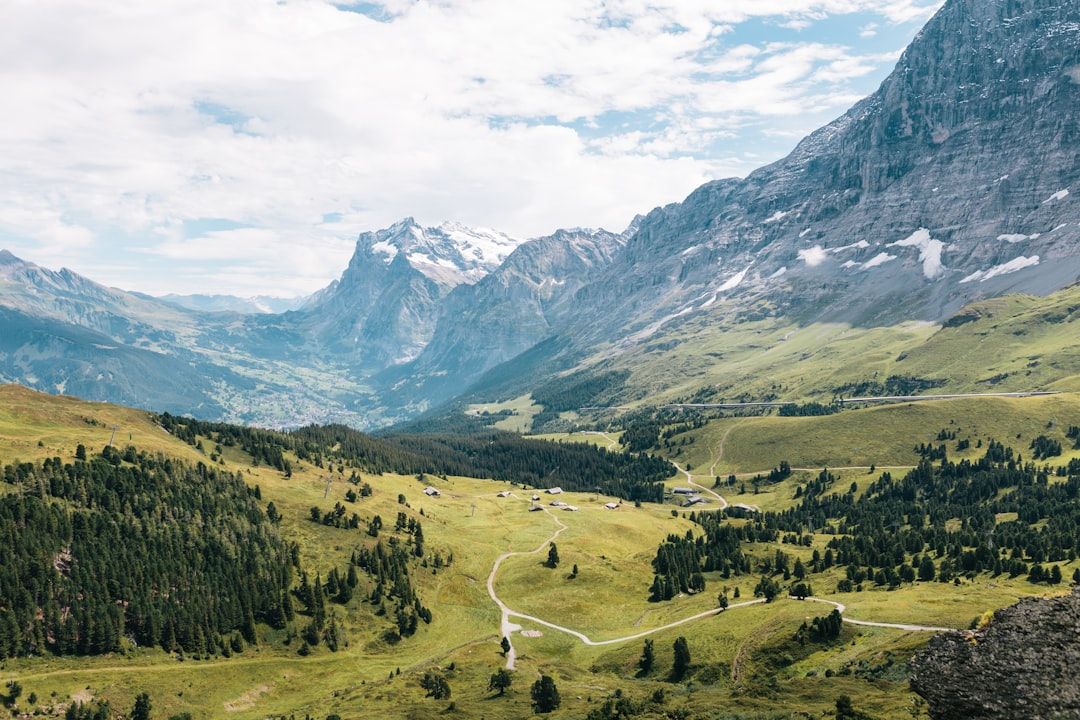
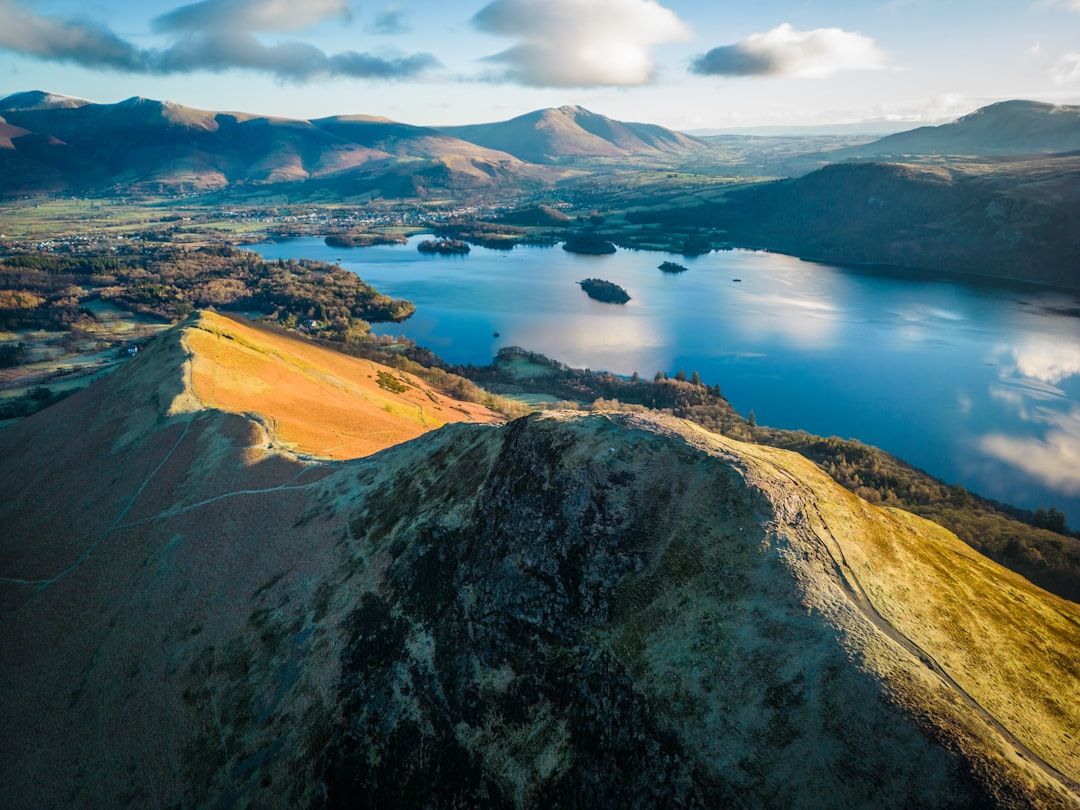
The Lake District for mountains and water in a compact area. Everything is close together, which suits a short trip, and it is unusually well served by rail — the branch line to Windermere puts you inside the park without a car. It is also the wettest place in England, and that is not a slur, it is a rain shadow fact. Book somewhere with a drying room.
Snowdonia and the Welsh coast for the best value in Britain. Comparable mountains to the Lakes, notably fewer people, a spectacular coastline on the Llyn peninsula and around Pembrokeshire, and prices that have not caught up.
The Scottish Highlands for scale and emptiness. Nothing else in the UK compares for a sense of space. Longest drive to get there, shortest usable season, and the midges are a genuine consideration rather than a joke.
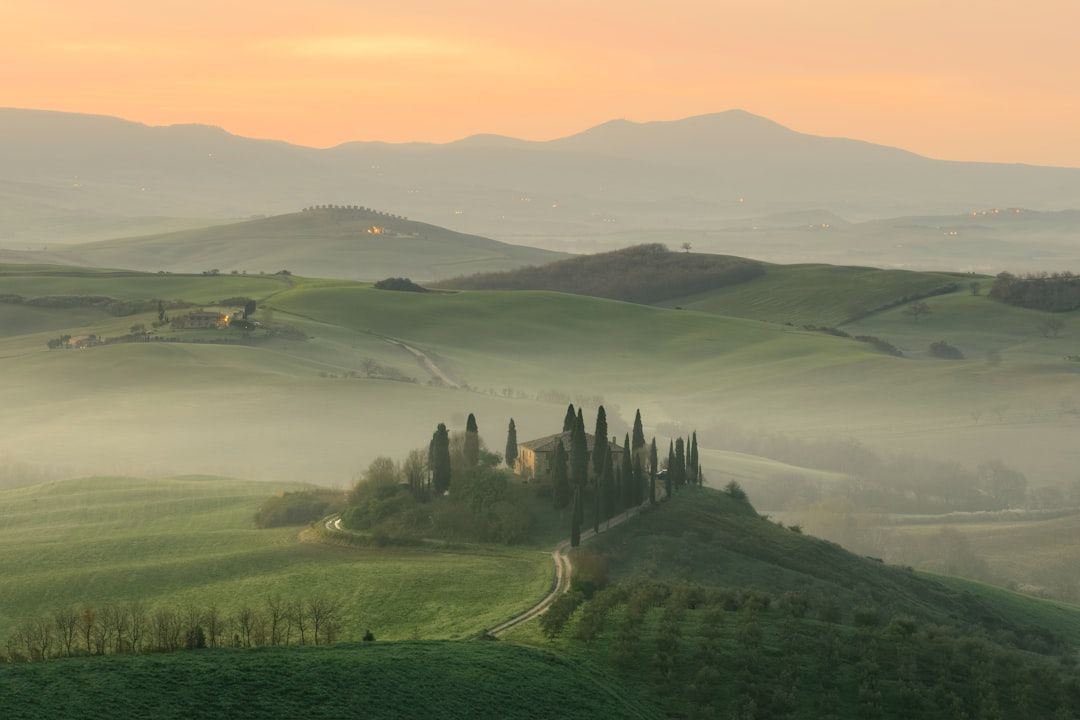
The South Downs, Norfolk and Suffolk for accessibility from London. Softer landscapes, big skies, excellent food, and reachable in a couple of hours — which makes them the sensible choice for a two-night trip where the drive would otherwise eat the weekend.
When to go
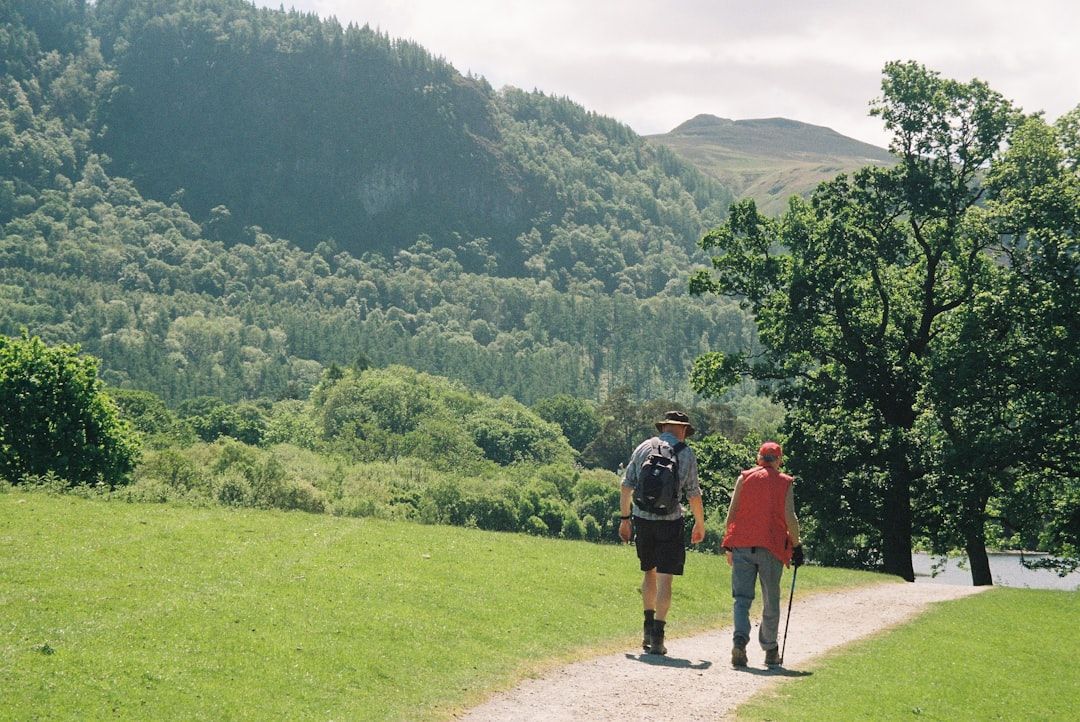
May and June are the sweet spot. The evenings are long — light until ten in the north — the ground has dried out, everything is green, and the school holidays have not started, so sites are cheaper and quieter.
July and August are warmest and busiest. Prices peak, the good sites fill months ahead, and the roads to Cornwall and the Lakes are genuinely bad on changeover Saturdays.
September is underrated: warm ground, quieter sites, lower prices, and the light turning. October onward becomes a wood-burner-and-blankets proposition, which some sites do beautifully and others are simply not equipped for.
What actually matters when booking
Rain is the variable, so book for it. The features that make the difference are a covered outdoor area you can cook and sit under, an indoor common room or at least a substantial porch, somewhere to dry boots and coats, and a wood burner with fuel included or available on site.
Then the basics: is the bathroom private or shared, and how far is the walk. Is there electricity, and is it mains or solar with a limited battery. How far is the nearest shop and pub, and is that walkable or a drive. Is the pitch on a slope, which matters more than it sounds after rain.
Read what the site says about mud. The honest ones tell you, and honesty about mud is a reliable proxy for how well run the place is.
Midges, and only in some places
Midges are a Highlands and west coast Scotland problem, from late May to early September. They swarm on still, damp, overcast evenings, particularly near standing water, and they are genuinely capable of driving you indoors.
They are also easily managed: repellent, a head net that costs almost nothing and packs to nothing, and an awareness that any breeze or steady rain removes them completely. They are not a reason to avoid Scotland. They are a reason to pack two small items.
Getting there
Most sites are rural and a car is the default. If you would rather not drive, filter for sites near a station — the Lake District, parts of North Wales, and the West Highland Line in Scotland are all better served by rail than the countryside average, and a train plus a short taxi works.
Book the site before the travel if your dates are in summer. Popular places fill first and trains can be bought later; the reverse leaves you with tickets and nowhere to sleep.