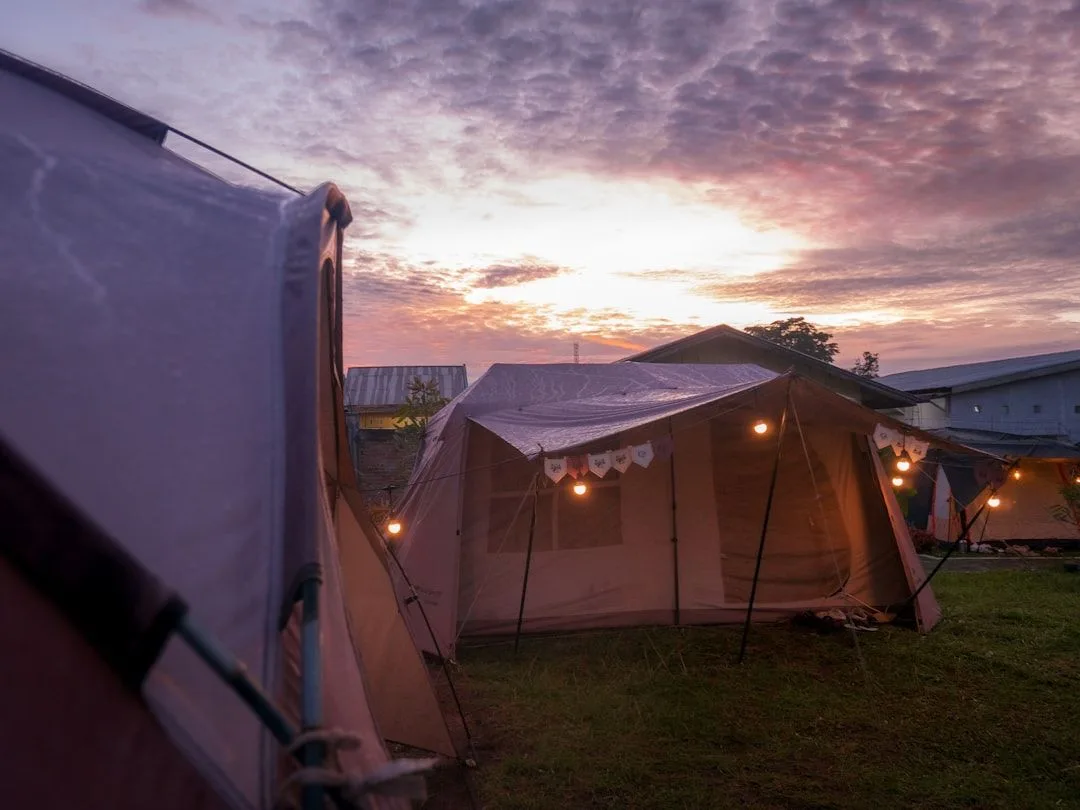
"Luxury camping" covers a Croatian tented villa with a private pool, a Norwegian glass cabin above a fjord, and a Cotswold shepherd's hut with a wood burner. All three might charge €250. What that money buys differs enormously, and it tracks the country more than the property.
The regional picture
| Region | Peak night | Does best |
|---|---|---|
| Croatia (Istria, Kvarner) | €180–380 | Value at the top end, sea access |
| France | €160–280 | Capacity, families, consistency |
| Italy (Tuscany, Sardinia) | €200–420 | Coastal location, food |
| UK | £140–300 | Shepherd's huts, year-round, hot tubs |
| Alps (AT/CH/FR) | €180–350 | Mountains, summer hiking |
| Nordics | €250–500 | Glass cabins, aurora, distinctiveness |
| Portugal / Spain | €120–260 | Value, long season |
Croatia: the best value at the high end
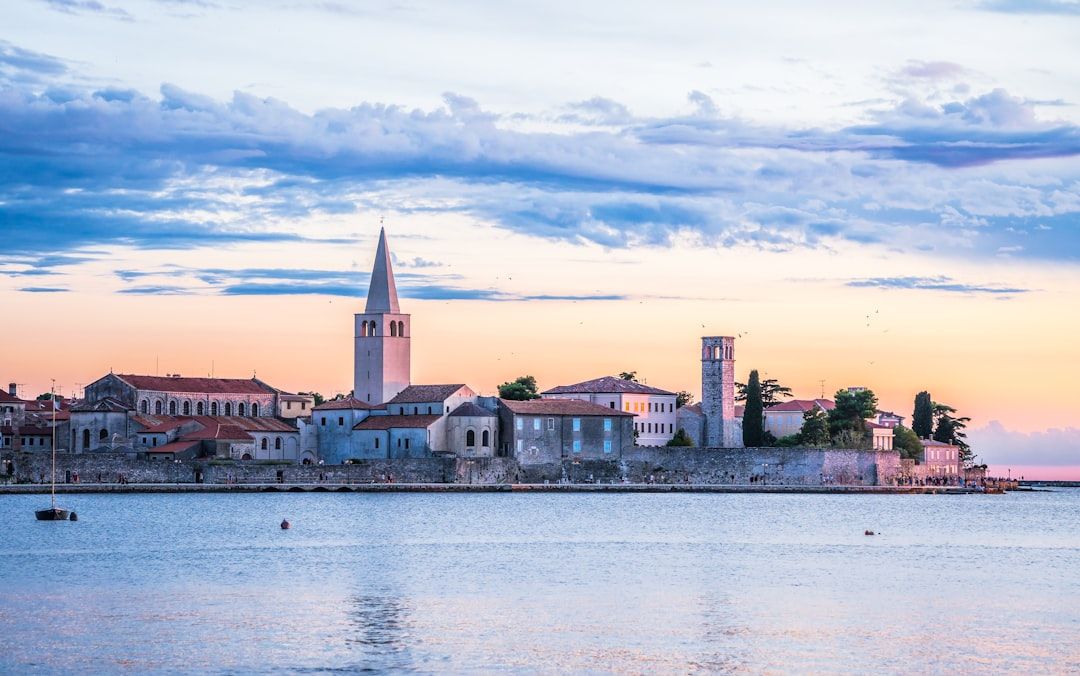
Istria and the Kvarner coast made a deliberate national push into premium camping, and the result is genuinely unusual: large resorts where the top tier is a tented villa with a private pool, air conditioning, a proper kitchen and direct sea access, at a price that would get you a plain safari tent in Provence.
The trade is scale. These are big, well-run resorts with several hundred units, restaurants and entertainment programmes — excellent for families, wrong for anyone seeking a field with four tents in it. The Adriatic itself is the draw: clear, calm and warm from June to September.
France: the most reliable
Covered in depth elsewhere, but in a European comparison France's strength is consistency and volume. The average site is better run than the average site anywhere else, the family infrastructure is unmatched, and the Dordogne in June is close to the ideal European glamping week. Peak-season pricing is the weakness.
Italy: location, at a price
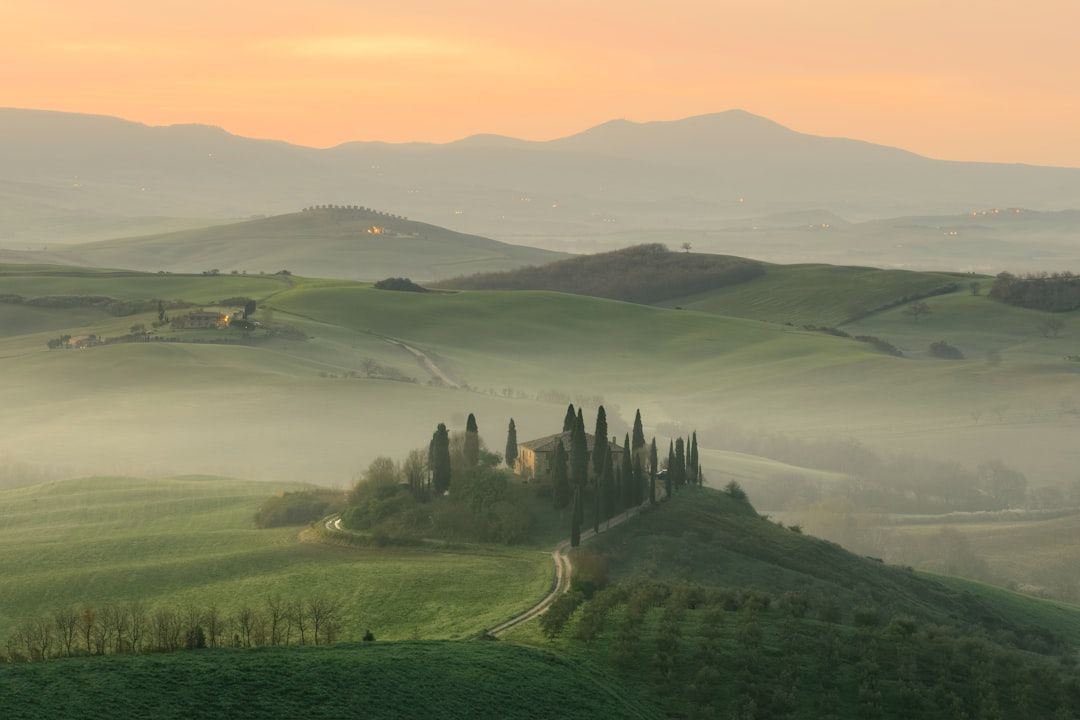
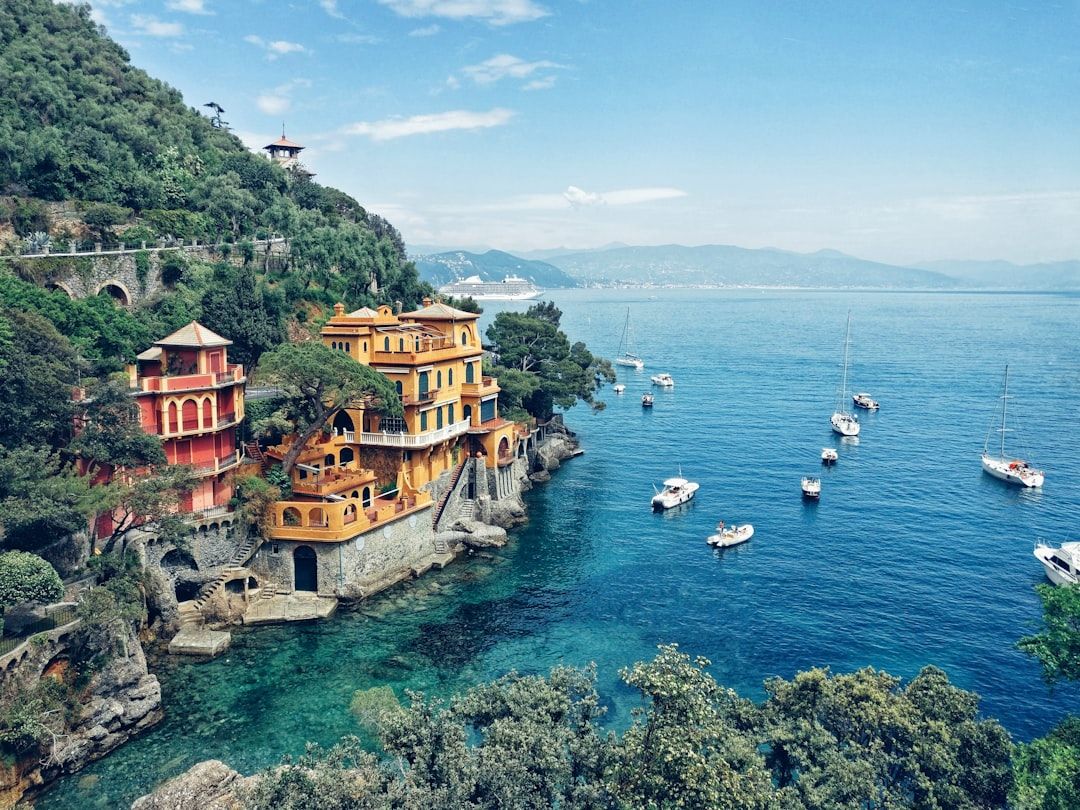
Italy's premium camping sits on land nobody would be allowed to build a hotel on today — Tuscan coastal pine forest, Sardinian coves, the Lake Garda shore. That is what you are paying for, and it is a real thing.
Expect Italian August pricing and Italian August crowds, and note that many coastal sites are effectively closed outside mid-May to late September. Sardinia in June is the pick.
The UK: shepherd's huts and year-round
Britain's contribution is the small, heated, characterful unit — shepherd's huts, cabins, converted horseboxes — usually on a farm, frequently with a wood-fired hot tub. Because they are insulated and heated, the UK is one of the few places where glamping genuinely works in November.
The weather means the format had to adapt: British glamping is about the wood burner, the hot tub and the pub two fields away rather than the pool. On a wet weekend that is exactly right.
The Alps: summer, not winter
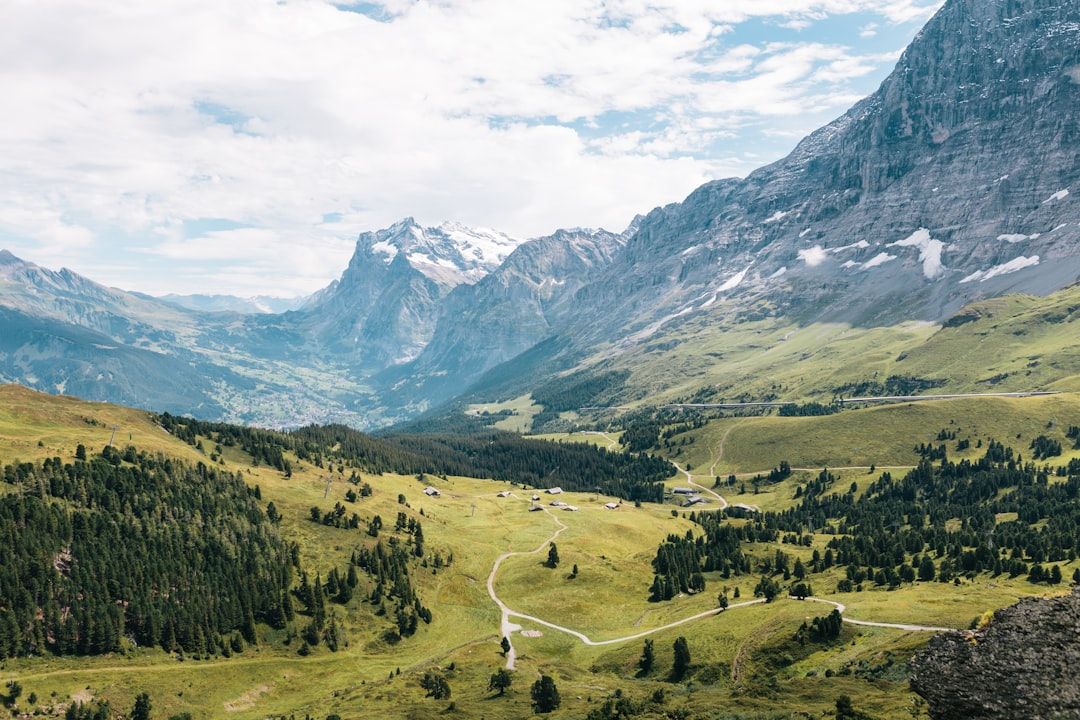
Austrian, Swiss and French Alpine glamping peaks in July and August, when the valleys are green, the hiking is at its best and the south of Europe is too hot. Nights are cold enough that heating matters even in midsummer.
This is the region for people who want to walk. It is also markedly quieter than any coastal option in the same weeks.
The Nordics: the most distinctive, the most expensive
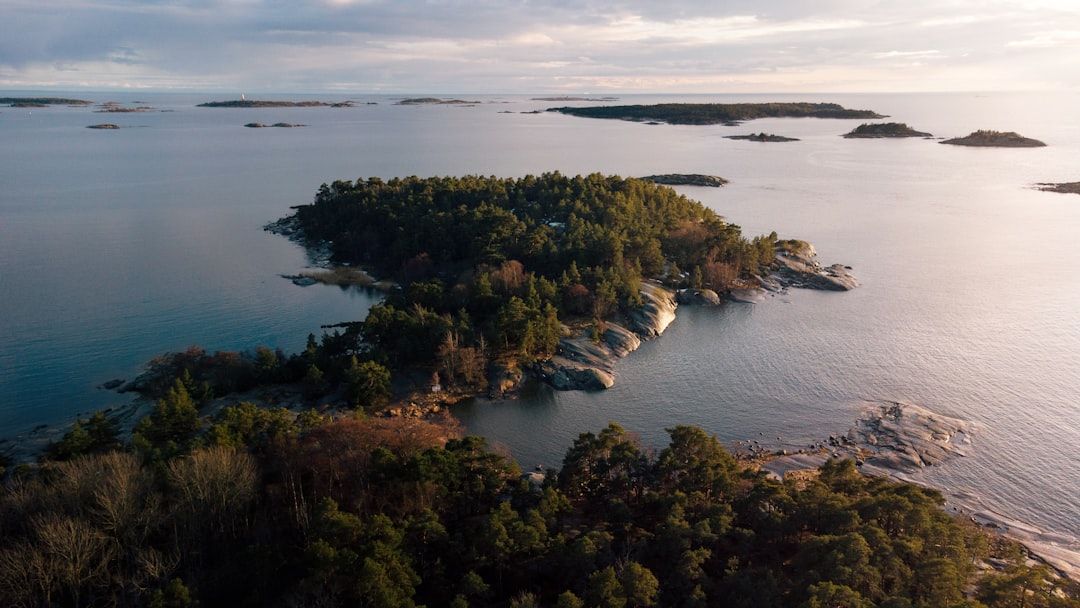
Glass cabins, Arctic domes and treehouse hotels in Finnish Lapland, Swedish Norrland and Norwegian fjord country. Nothing else in Europe offers the same thing: a bed under a glass roof with the aurora overhead, or a summer night that never gets dark.
Prices are high and stay high year round, and the aurora season runs roughly late September to March. Two nights minimum if the lights are the point, for the same reason as Iceland — one clear sky is not something you can book.
Portugal and Spain: the long season
The Alentejo, the Algarve interior and Spanish Catalonia offer good sites at roughly 30 percent below the French and Italian average, with a season that stretches from April into October. Portugal in particular has a growing set of design-led, small-scale properties that feel nothing like a resort.
How to choose
Decide what the money is for. Sea and a private pool at the lowest price: Croatia. Family infrastructure and reliability: France. A specific coastal landscape: Italy. Cold-weather comfort and a hot tub: the UK. Walking: the Alps. Something you cannot get anywhere else, at a price: the Nordics.
Then book June or September rather than July or August, wherever you land. The saving across every one of these countries is 30 to 45 percent, and the weather in the southern half of the continent is barely different.