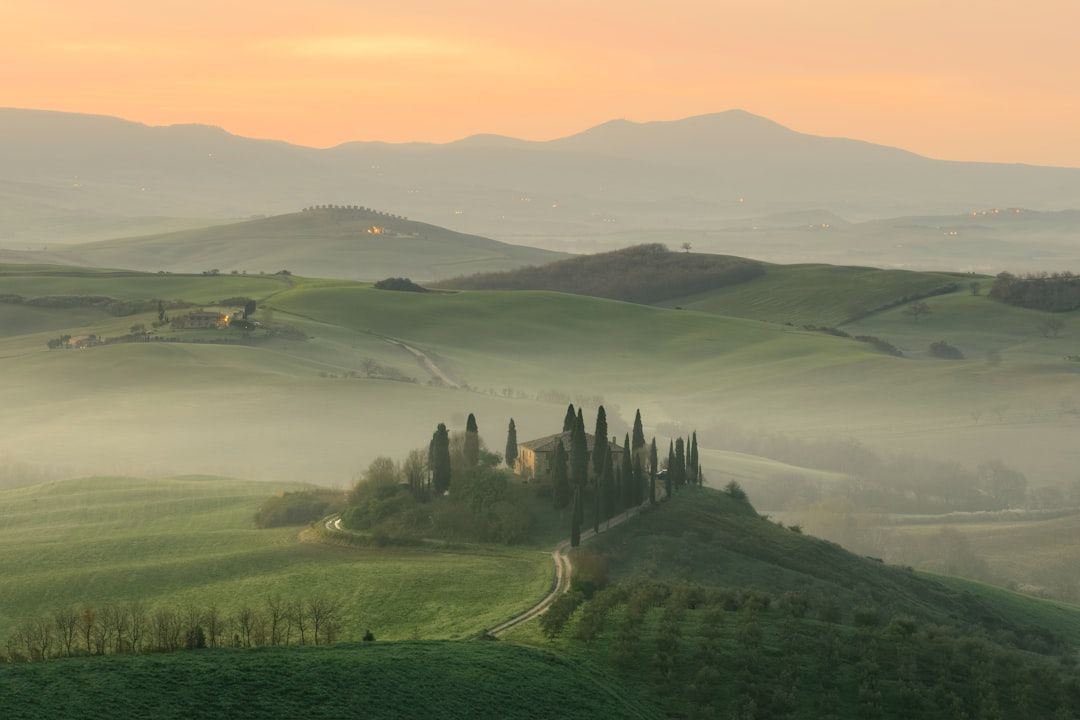
Tuscany does not have one glamping scene. It has two, and they are far enough apart — in geography, in feel, and in what your days look like — that choosing between them is the only decision that really matters. Get it wrong and you will spend a week driving to the thing you actually came for.
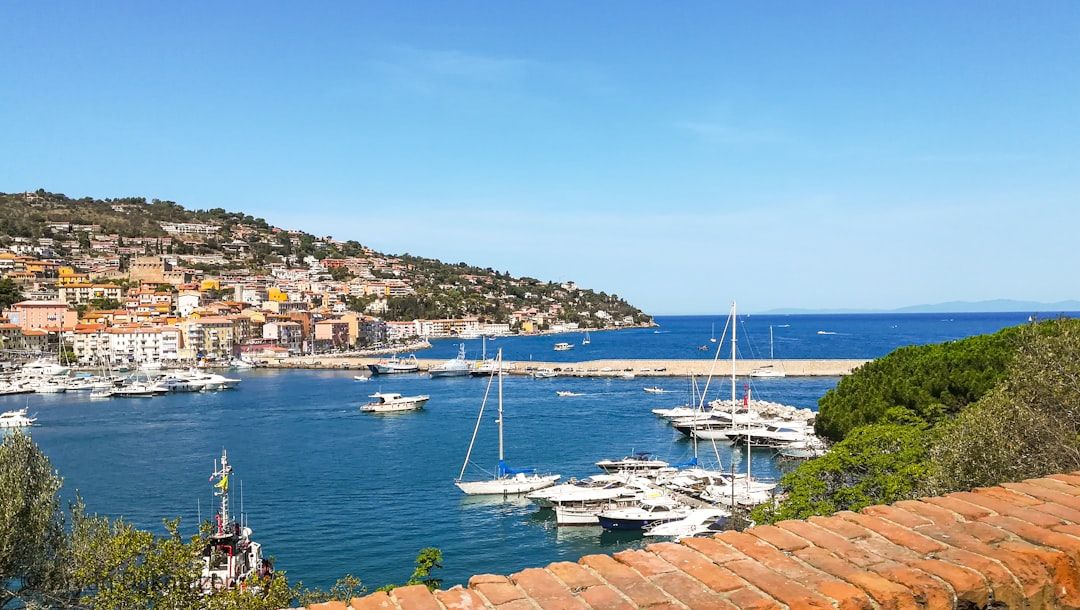
The Maremma coast: pine forest and sea
The Maremma is the southern coastal strip of Tuscany, roughly from Follonica down past Grosseto toward Monte Argentario. It is the least manicured part of the region — flat marshland turned farmland, backed by long belts of umbrella pine, with a coastline that stays surprisingly undeveloped by Italian standards.
Nearly all the glamping here sits inside those pine woods. That matters more than the brochures suggest: the pines hold shade through the hottest part of the day, which is the difference between a tent you can sit in at 3pm and one you flee. Sites are usually a five to fifteen minute walk or cycle from the sand, and most lend or rent bikes because that is how everyone gets around.
The trade-off is that these are campsites first and boutique stays second. Expect a shop, a pizzeria, a pool, and neighbours. If you want silence and nobody else's children, this is the wrong half of Tuscany.
Val d'Orcia and the hills south of Siena
Inland is the Tuscany of the posters: cypress avenues, wheat-coloured hills, hilltop towns at the end of gravel drives. Glamping here is a different product — often a handful of tents or pods on a working farm or vineyard, sometimes attached to an agriturismo, with dinner cooked by the family that owns the land.
It is quieter, more expensive per night, and considerably more beautiful in the evening. It is also hotter. Without the sea breeze and the pine canopy, an inland tent in late July is a genuinely difficult place to be between noon and five. Sites know this and most build in a pool, but plan your day around the heat rather than against it.
You will drive. Pienza, Montalcino, Montepulciano and San Quirico are the reason you came, and they are twenty to forty minutes apart on roads that are lovely but slow.
Picking your season
The season runs roughly Easter to mid October, and the shoulders are better than the middle. Late May and June give you long light, wildflowers still out in the hills, and sea that has warmed enough to swim. September is the best single month on the coast — the water is at its warmest after a summer of sun, the August crowds have gone home, and rates drop noticeably once Italian school holidays end.
April and October are a gamble. Both can be glorious and both can be wet, and a canvas tent in sustained rain is a test of your relationship. If you go at the edges of the season, pick a site with a solid indoor common room.
What you are actually booking
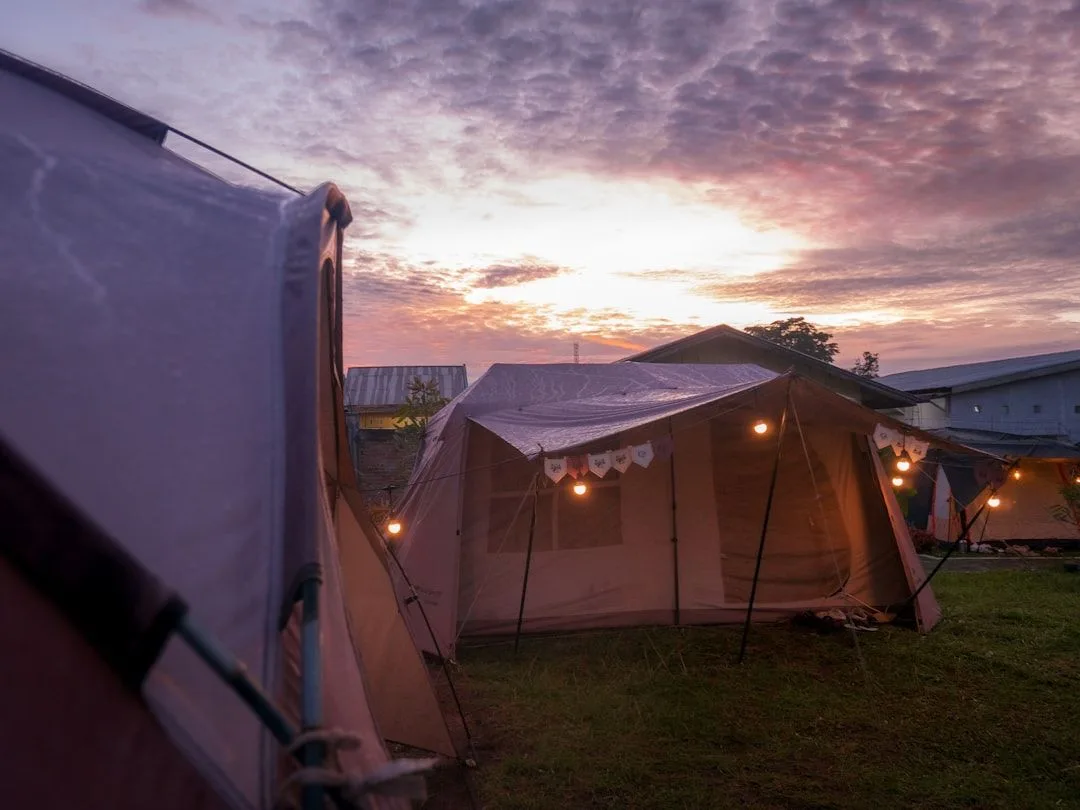
"Glamping" in Tuscany usually means a safari tent: a canvas structure on a raised wooden deck, with real beds, a small kitchen with fridge and gas hob, and a terrace. Bathrooms split the market — some sites give each tent its own plumbed pod, others expect a short walk to a shared block. This is the detail most worth checking before you book, because it changes the character of the stay completely, particularly with small children.
Air conditioning is rare and, in a canvas tent, close to meaningless. Shade, orientation and airflow do the work. A tent facing east under mature pines will be pleasant; the same tent on an exposed pitch will not.
Getting there without a car
It is possible on the coast and impractical inland. The Rome–Pisa railway line runs the length of the Maremma, with useful stops at Follonica, Grosseto and Orbetello; from any of them a short taxi reaches most of the coastal sites, and once you are there a bike covers the beach, the shop and dinner.
Inland, treat a car as mandatory. The nearest stations to Val d'Orcia are Chiusi and Buonconvento, and neither puts you within sensible reach of a farm stay or the towns you will want to see.
How much to budget
Coastal safari tents in high summer sit at the upper end of camping prices rather than hotel prices, and drop substantially either side of August. Inland farm glamping is priced closer to a good agriturismo room and often includes breakfast. Both are meaningfully cheaper than a comparable hotel in the same landscape, which is much of the point.
Budget separately for the fact that you will cook some nights and not others. The kitchens are real enough for breakfast, pasta and a salad, but nobody comes to Tuscany to cook every evening.