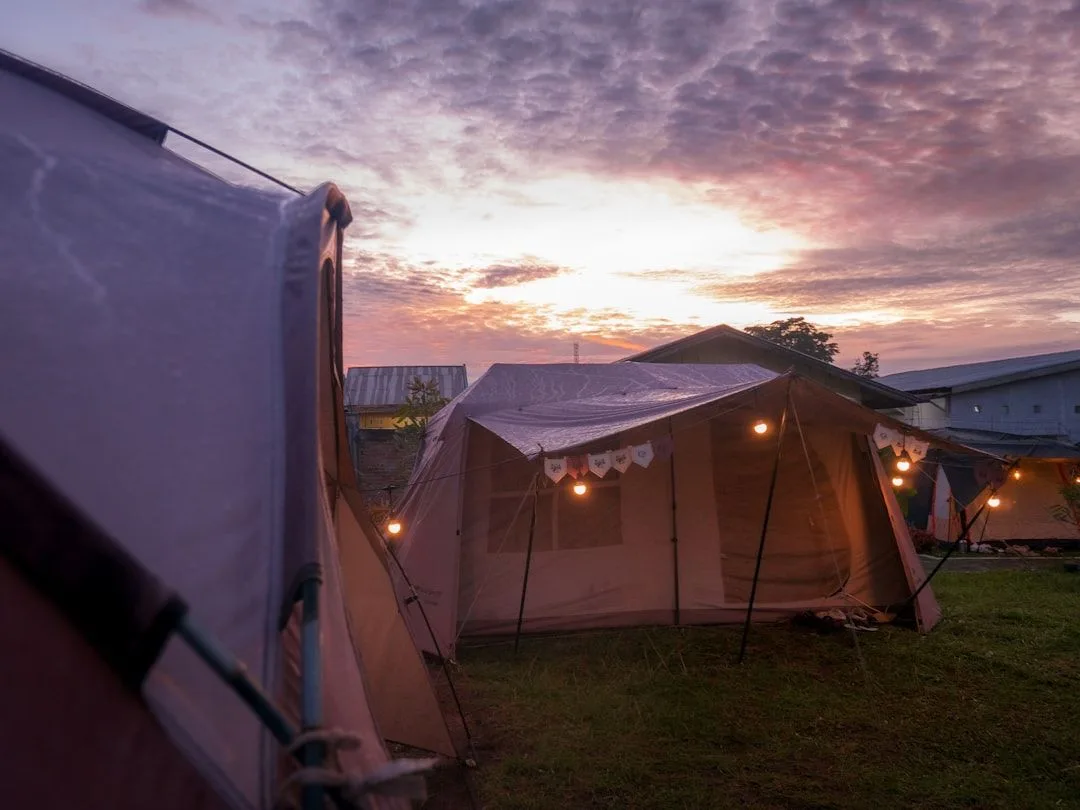
Glamping listings have converged on a single visual language: canvas at dusk, a string of lights, a fire pit, a mug held toward a view. It is effective and it tells you almost nothing. The things that determine whether the stay is good are mostly not photogenic, and so they are mostly not photographed.
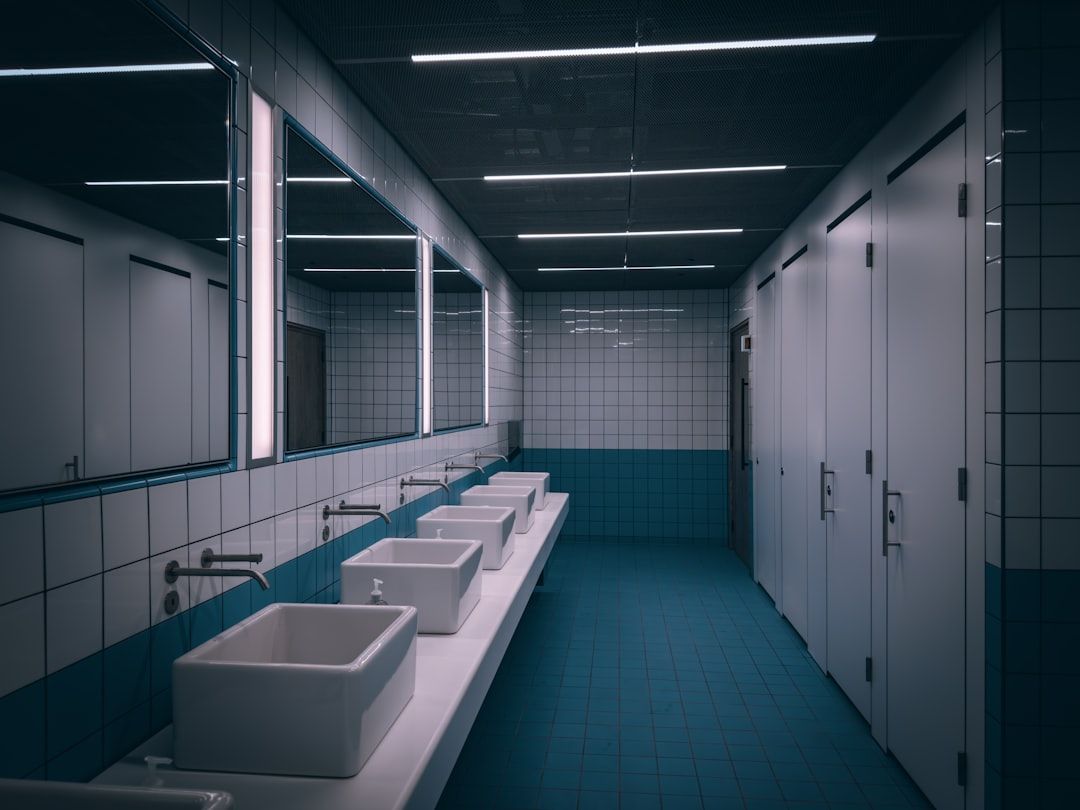
The bathroom question, first and always
There are three arrangements sold under the same word, and the difference between them is the difference between three holidays.
Private and plumbed inside or attached to the unit. Private but in a separate pod a few steps outside — fine in daylight, a different proposition at three in the morning in the rain. Or a shared block, which may be excellent and may be a hundred metres across a wet field.
Listings say "facilities" for all three. Find the actual answer before booking, and if it is shared, find the distance. This one detail predicts satisfaction better than anything else.
Look for the wide shot
Every unit is photographed as though it stands alone in a meadow. Then you arrive and there are eleven of them in a row, six metres apart.
Look for a single image showing more than one tent, or a site map. If neither exists anywhere in the listing, that is information in itself. Satellite view on a mapping app is the reliable check and takes thirty seconds.

Heating, and whether it runs all night
Anywhere with cold nights — which is most places, including hot countries at altitude and deserts in any season — the question is not "is there heating" but "does it run unattended overnight".
A wood burner is wonderful and goes out at two in the morning. An electric heater on a timer stops when the timer stops. Ask specifically, and ask whether firewood is included, because "wood burner" plus paid firewood plus a shop that shuts at five is a cold evening.
Read the ground, not the furniture
If there is any prospect of rain, the surface matters more than the interior. Grass with no path becomes mud, and mud comes inside with you.
Signs a site has been through a wet season and adapted: decking or gravel paths between units, a covered outdoor area, a boot rack or drying space, hardstanding by the parking. Their presence is a strong signal of a well-run site generally, not just a dry one.
Shade, if it is going to be hot
Canvas in direct sun is an oven, and air conditioning in a tent is mostly marketing. What actually works is tree cover, orientation and cross-ventilation.
Check whether the photographs show mature trees over the units or an open field. An east-facing tent under trees is comfortable at four in the afternoon; the same tent on an exposed pitch is not usable.
Photograph timestamps and weather
A listing where every image was taken at golden hour, and none in flat daylight, is curated to hide something — usually the neighbours, the car park or the state of the ground.
Look for at least one ordinary photograph in ordinary light. Sites that are confident about how they look show it.
Reviews: read the middling ones
Five-star reviews describe the view. One-star reviews are usually about something that went wrong once. The three- and four-star reviews are where the useful information is, because they liked it and still had something to say.
Also check the dates. A cluster of reviews all from the same few weeks, and nothing since, is worth noticing.
The questions worth asking before you book
How far is the bathroom, and is it private. Does the heating run overnight. Is firewood included. How far is the nearest shop and pub, and is that walkable. Is there phone signal, and is there wifi. How close is the nearest unit. What is the ground like after rain.
Sites that answer these clearly and quickly are, in my experience, the ones worth booking. The answer matters less than the fact that they answered.