France has more glamping capacity than any other country in Europe, largely because it grafted the format onto an existing culture of high-quality campsites. The result is that the average French glamping site is better run than the average British or Italian one — and that the choice is overwhelming. Region and month matter far more than the individual property.
What it costs, and the August problem
| Type | Jun / Sep | Jul / Aug |
|---|---|---|
| Wooden pod / small tent | €70–110 | €120–190 |
| Safari tent, 4–6 people | €90–160 | €160–280 |
| Treehouse / design cabin | €150–260 | €250–450 |
| Tent with private hot tub | €180–300 | €300–500 |
The peak premium is roughly 60 to 80 percent and it is not negotiable, because French domestic holidays compress into those two months almost entirely. The corollary is the best value advice in this entire guide: go in June or September. Same weather in the south, 30 to 45 percent cheaper, and the site is quiet.
The regions
Dordogne — the default, and rightly
The strongest all-round choice. A dense river valley of honey-coloured villages, clifftop castles, and the prehistoric painted caves at Lascaux and Font-de-Gaume. The highest concentration of well-run glamping sites in France, most with pools, many on the river itself.
Summer is warm without Mediterranean extremes, the canoeing on the Dordogne and Vézère is genuinely good with children, and Sarlat's market is one of the best in the country. If you only pick one region, pick this.
Provence and the Luberon
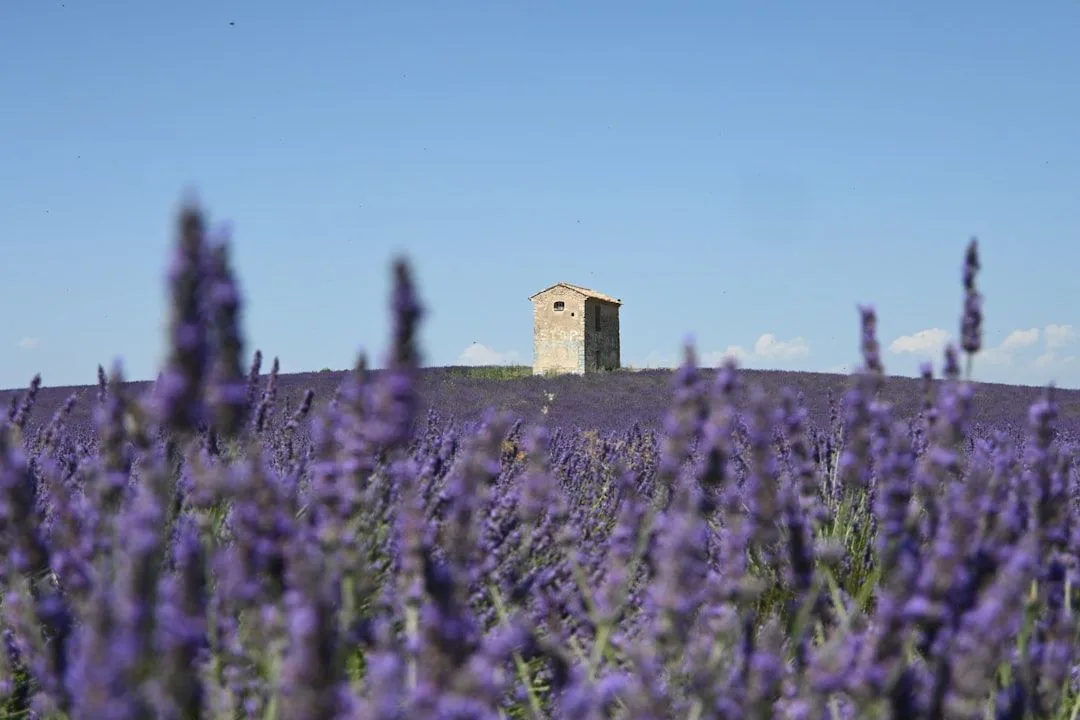
More beautiful and more expensive. Lavender peaks from late June to mid-July — a narrow window that is also the busiest — and the hill villages of the Luberon are extraordinary. Heat is the caveat: July and August regularly exceed 35°C, and a canvas tent in that is only tolerable with proper shade and a pool.
The mistral, the cold northerly wind, is the other local factor. It can blow for three days at a stretch and it is loud in canvas.
Brittany and the Atlantic coast
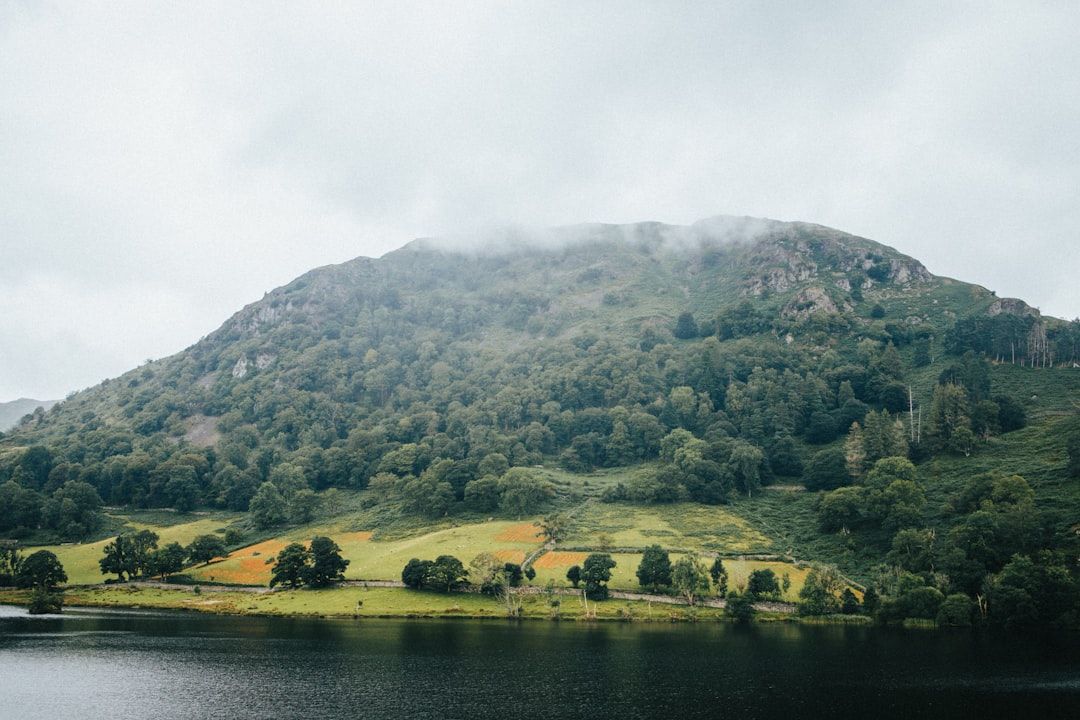
Cooler, greener, cheaper, and much less crowded. Dramatic coastline, excellent seafood, and reliable value. The trade is weather: Brittany gets Atlantic systems and a week can genuinely be wet even in July. Good for anyone who finds the south too hot and does not need guaranteed sun.
The Île de Ré and the Charente coast further south split the difference — more sunshine than Brittany, less heat than Provence.
The Alps and Jura
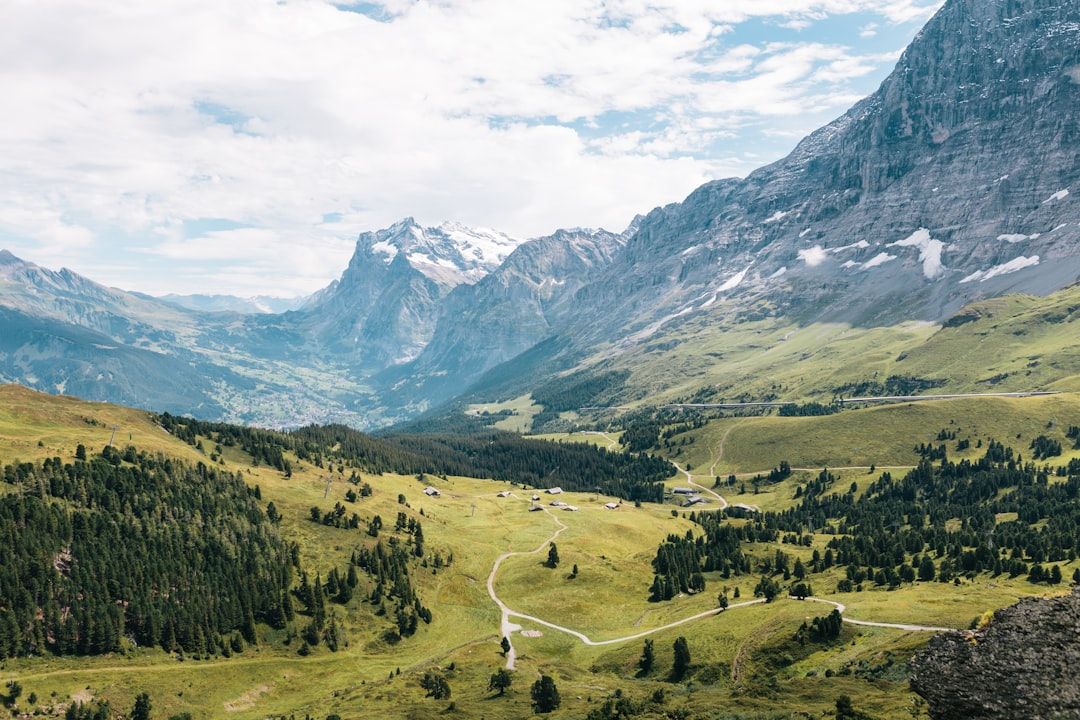
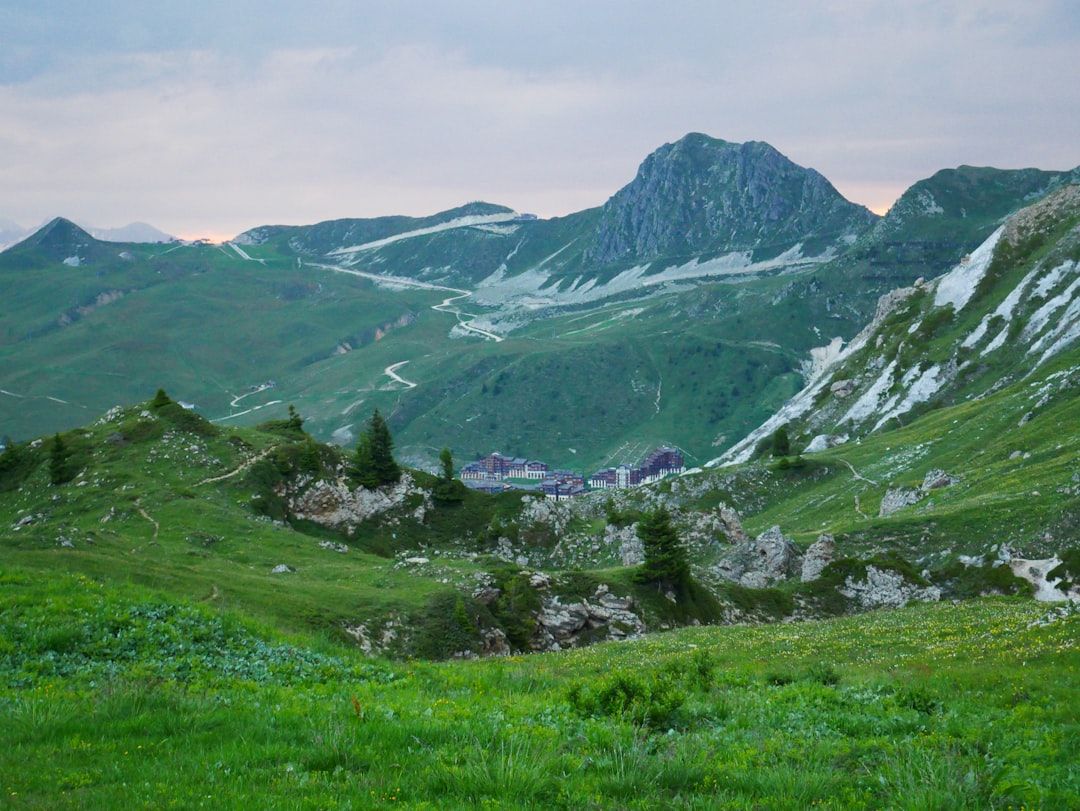
Mountain glamping, at its best in July and August when the lower valleys are green and walkable and the south is too hot. Nights are cool even in midsummer, so heated units matter. This is the region for hiking rather than pool-lounging, and it is far quieter than the coastal sites.
The Loire
Château country, gentle landscape, easy access from Paris and the ferry ports. A reasonable first choice for a shorter trip or with a young family, though it lacks the drama of the Dordogne.
How French sites actually work
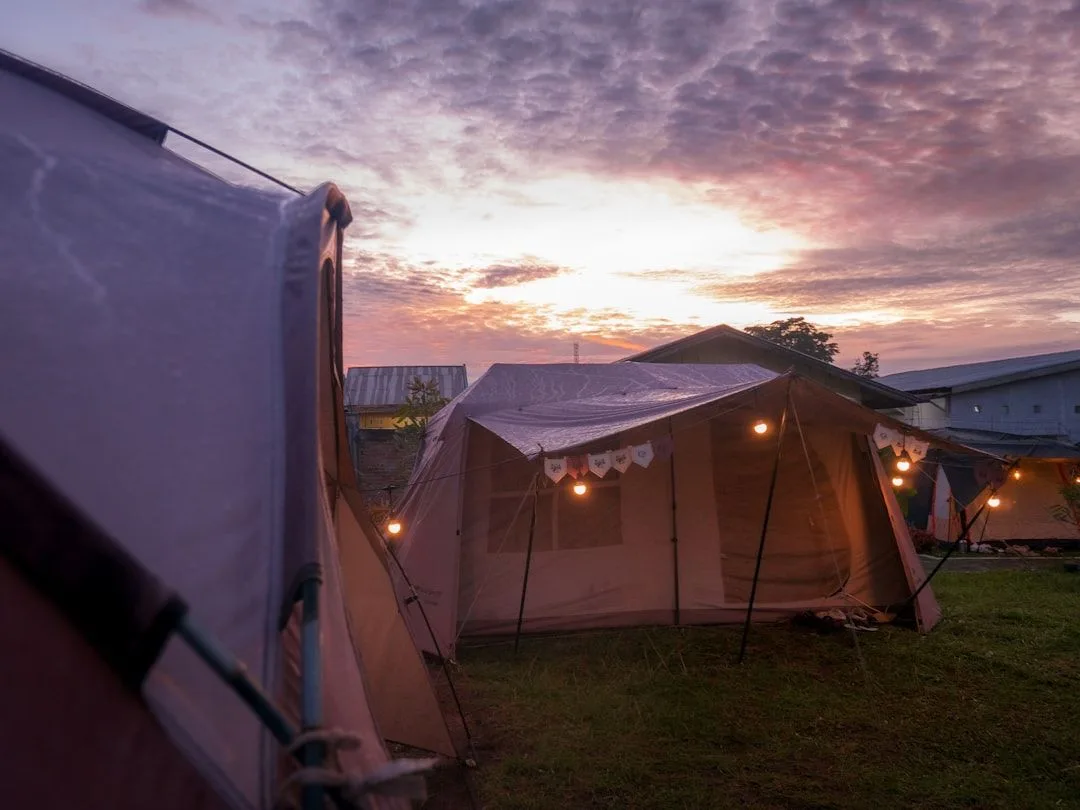
Most glamping units sit inside a larger campsite, which means you get the shared infrastructure: pool complex, sometimes a restaurant and small shop, often a kids' club in high season. That is a genuine advantage over an isolated single-property stay, and it is why French family glamping works so well.
It also means the site is busy in August, with the noise that implies. If you want solitude, look for the smaller independent properties — the ones with four or five units on a farm — rather than the big well-equipped parks.
Check whether bedding and towels are included; at many sites they are a paid extra, and turning up without them is a common and irritating surprise. Check the pool's opening dates too, since some open only from mid-June.
Booking
For July and August, book in January or February. This sounds excessive and is not — French families rebook the same fortnight annually and the good Dordogne and Provence sites genuinely fill.
For June and September, six to eight weeks is fine. Outside May to September most sites simply close, so an autumn or winter trip means seeking out the small number of year-round properties, typically the heated cabins and treehouses rather than canvas.