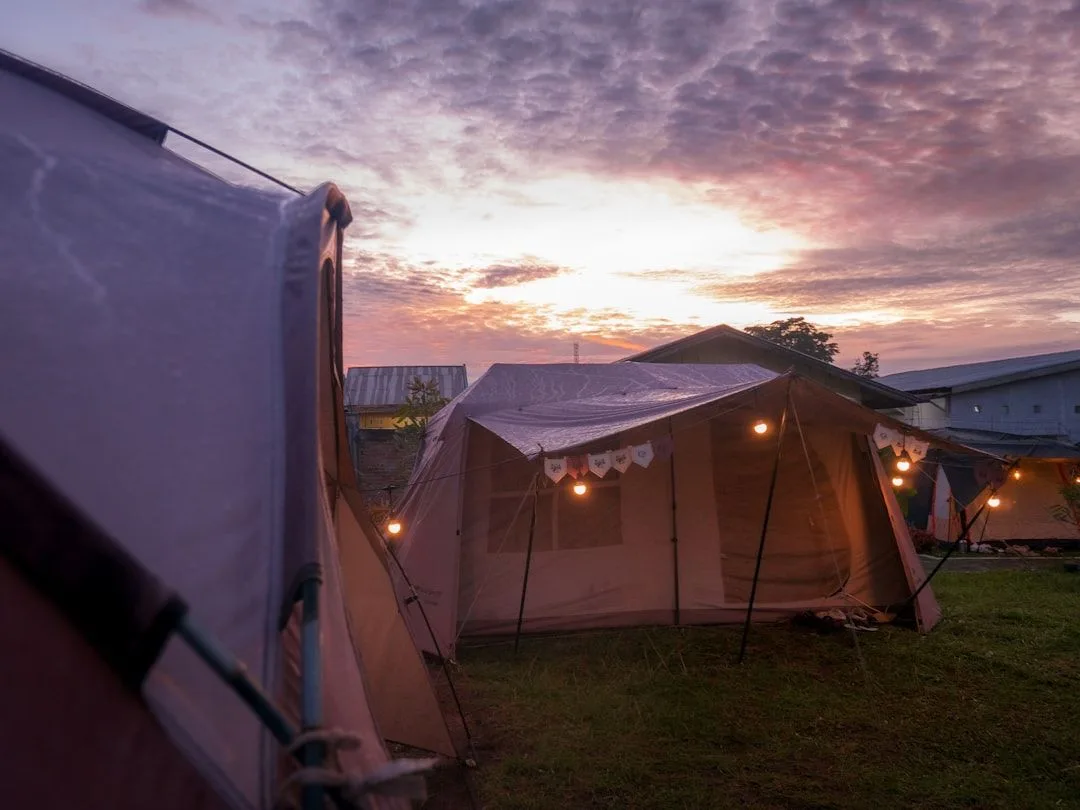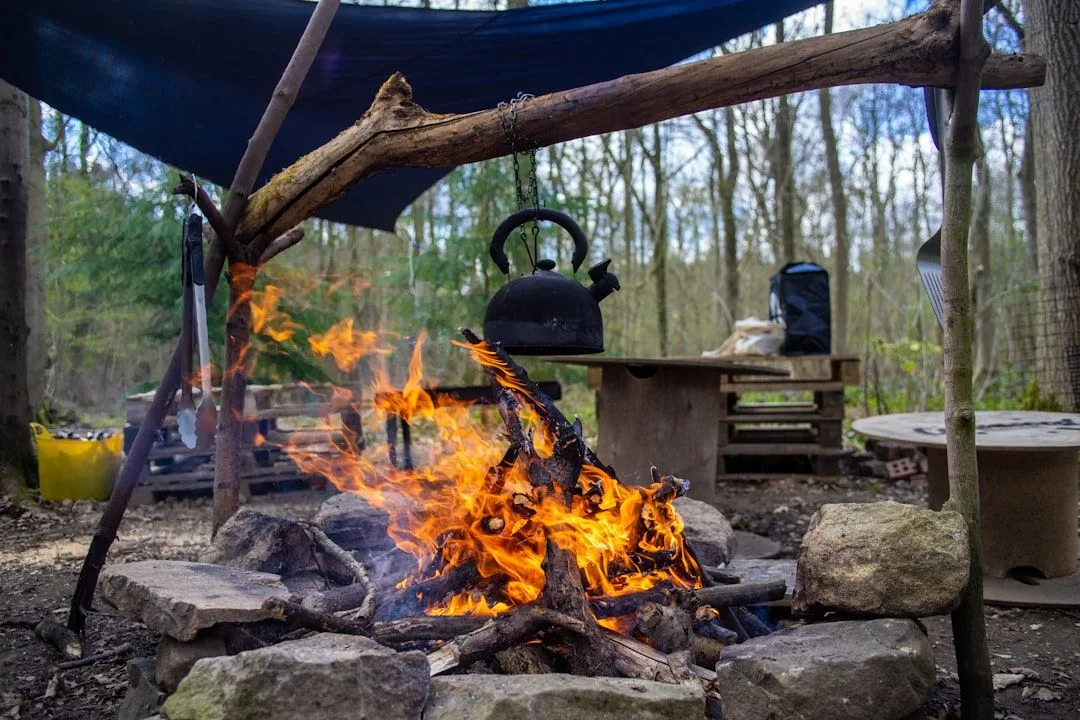
Ask what stove a site has and the answer determines two practical things: whether you are warm at three in the morning, and whether you can cook when it is raining. The three common types answer those questions very differently, and each fails in its own way.
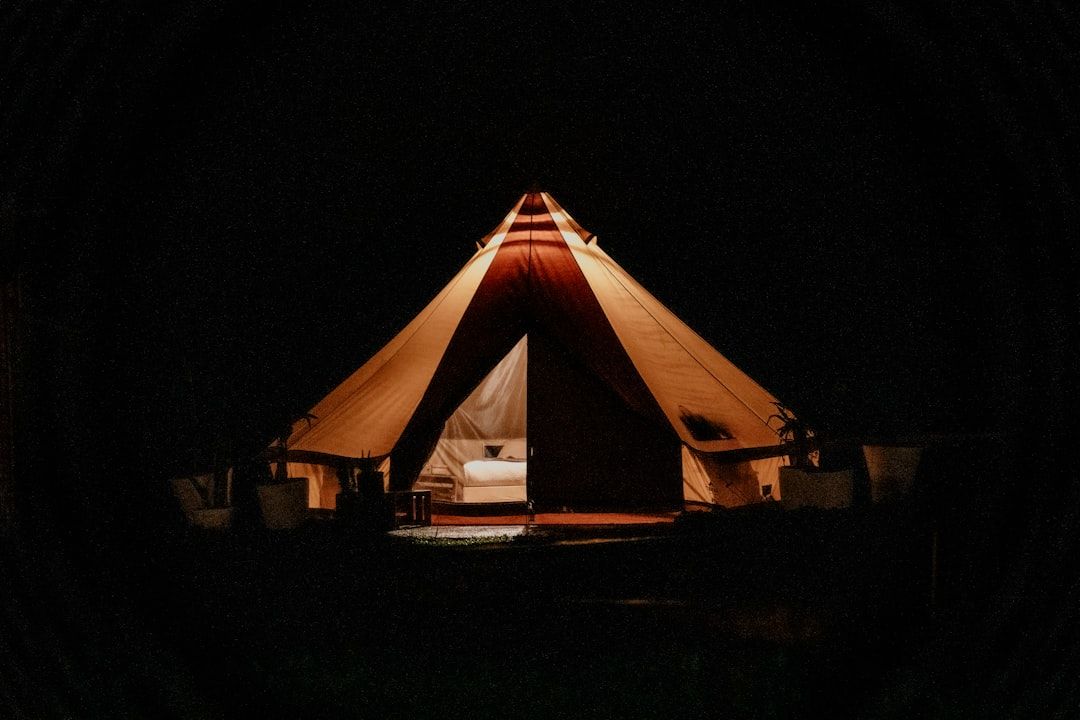
Wood burners
The reason people book tents with stoves. A small steel burner with a flue through the canvas produces a quality of heat nothing else matches, dries wet clothes, and is the thing everyone sits around after dinner.
What it is not is an overnight heat source. A tent-sized burner holds very little fuel and goes out in a few hours. It will make the evening lovely and the tent will be cold by dawn — which is fine, provided you understand it and have proper bedding rather than an expectation of central heating.
For cooking it is slow and imprecise. You can boil a kettle on the top plate and simmer something for a long time. You cannot fry an egg on a schedule.
Fuel matters. Seasoned hardwood burns hot and long; damp or resinous softwood smokes, burns fast and coats the flue. If the site includes firewood, ask what kind. If you are buying, kiln-dried is worth the premium.
Gas
The workhorse, and the correct answer for cooking. Instant, controllable, unaffected by rain, and it works under an awning in wind that would defeat anything else. A two-burner unit with a refillable cylinder covers everything a normal holiday requires.
The critical distinction: gas is for cooking, not for heating a sleeping space. Portable gas heaters and, worse, barbecues brought inside for warmth are the mechanism behind most camping carbon monoxide deaths. The gas does not have to be leaking — normal combustion in an unventilated space is what produces the CO.
Cook outside or under a properly open awning, and never bring a burning appliance inside to warm the tent.
Electric
Where mains hookup exists, an electric heater is the safest and least demanding option. No combustion, no ventilation requirement, no fuel to carry, and it runs all night on a thermostat, which is the one thing wood cannot do.
The constraint is the hookup's rating. Many pitches supply a low amperage designed for a fridge and a phone charger, and a high-wattage fan heater will trip it — often taking the site's whole row with it. Check the rating and match the appliance.
For cooking, an induction ring is excellent and has the same amperage limitation.
Carbon monoxide, briefly and seriously
CO is colourless, odourless and kills people in tents every year. The victims are usually not careless in any obvious way — a barbecue brought in to take the chill off, still warm, is enough.
Three rules. Never bring a burning or smouldering appliance inside for heat. Keep the ventilation a stove-equipped tent is designed with — the vents are not optional and blocking them to stop a draught is precisely the failure mode. And carry a battery-powered carbon monoxide alarm; they are inexpensive, weigh nothing, and are the only way you will know.
What suits which trip
Cold-weather or shoulder-season stays where the evening is the point: a wood burner, plus bedding rated for the actual overnight temperature rather than the marketing.
Any trip where you will cook properly: gas, regardless of what else the tent has.
Sites with mains power, and anyone who wants warmth without managing a fire: electric, checked against the hookup rating.
Most good sites give you a combination — a burner for the evening and gas for the kitchen — which is the right answer, and worth confirming rather than assuming from the listing.