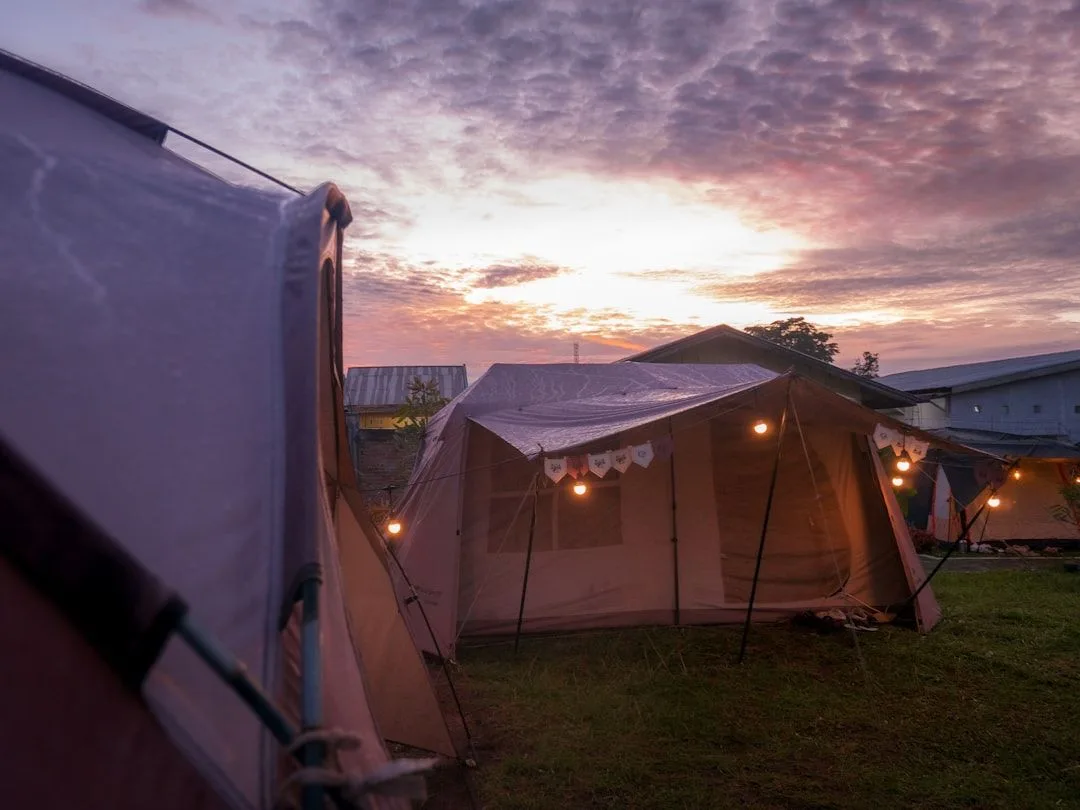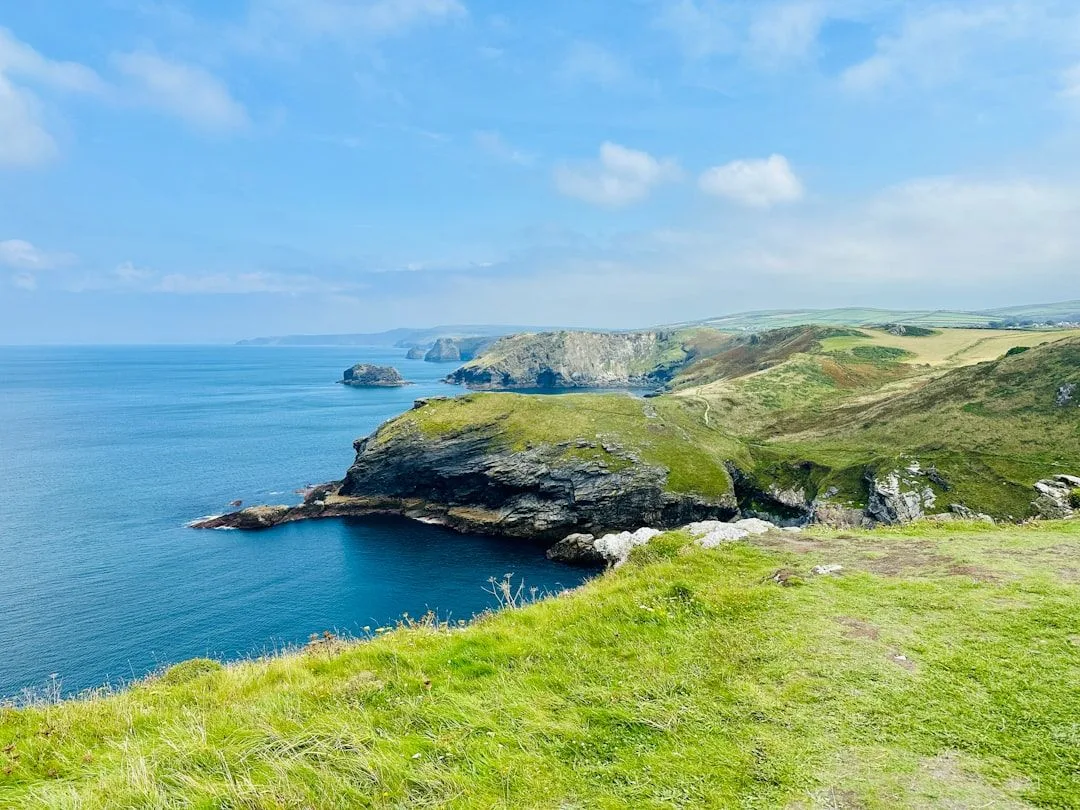
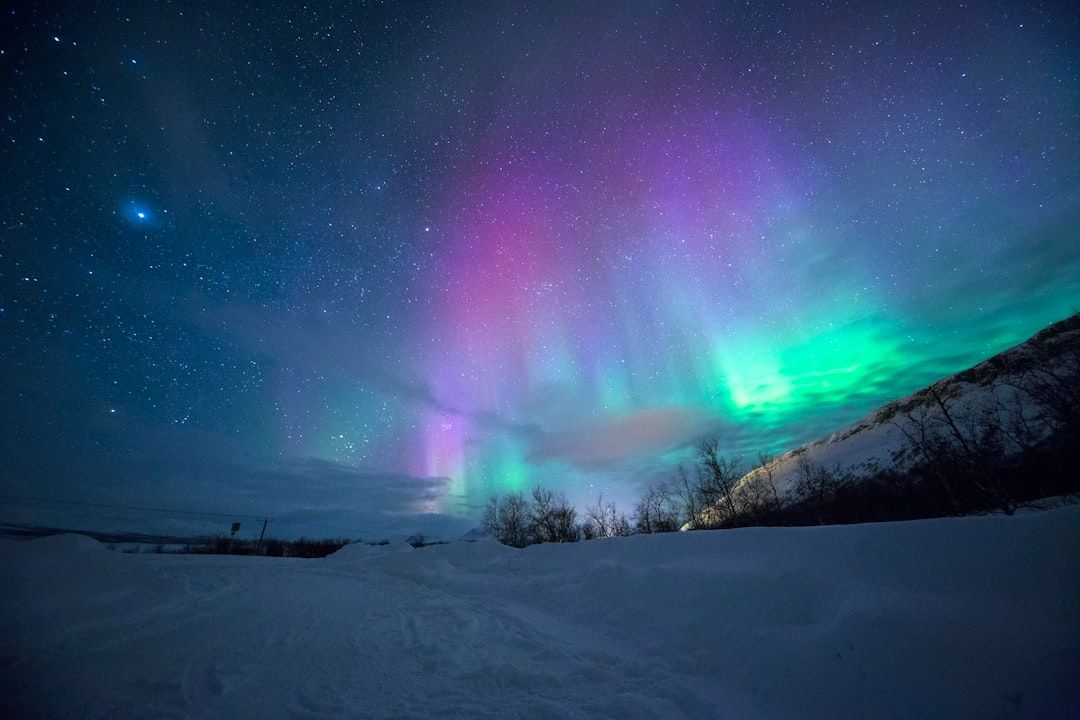
Iceland has a glamping product that photographs better than almost anywhere: a transparent bubble in a black-sand field with the aurora overhead. The photograph is real. What it leaves out is that the deciding variable is wind, and that most of the year there is no aurora to see at all.
What it costs
| Type | Per night (2 people) | What you get |
|---|---|---|
| Transparent bubble | ISK 55,000–90,000 | Clear dome, bed, usually shared bathroom |
| Heated geodesic dome | ISK 45,000–75,000 | Solid structure, heater, often private bathroom |
| Cabin with hot tub | ISK 35,000–60,000 | Full facilities, no transparent roof |
| Comparable guesthouse | ISK 18,000–28,000 | Ordinary room, no view feature |
The gap is the point. You are paying roughly triple a guesthouse for the roof. That is a reasonable trade for one or two nights and a poor one for a week.
Wind is the thing nobody lists
Icelandic wind is not a detail. Gusts over 20 m/s are ordinary on the south coast, and the Icelandic Met Office issues warnings that close roads. A bubble is inflated fabric: structurally it copes, but acoustically it is a drum. People who have had a bad glamping night in Iceland almost always describe wind, not cold.
Two questions to ask before booking, neither of which appears in listings:
Is the unit sheltered? A bubble tucked against a treeline or an earth bank is a different experience from one in an open field. Look at the site photos for what is upwind.
Does it have its own heater and a solid floor? Some bubbles are heated only by the airflow that keeps them inflated. In October that is fine. In February it is not.
Check vedur.is for the forecast before you travel, and if the wind warning is orange, expect a poor night regardless of the site.
The aurora maths
The season is roughly late September to mid-April. Outside it there is simply not enough darkness — in June the sky never leaves twilight, and a transparent bubble booked then is an expensive way to sleep under a bright grey ceiling with an eye mask on.
Within the season you need three things at once: darkness, a clear sky, and solar activity. Iceland supplies the first reliably and the second erratically. A single night gives you a modest chance; two or three nights make it likely. Anyone booking one night and expecting the photograph is buying a lottery ticket at $500.
Book away from Reykjavik. The capital's light pollution meaningfully reduces what you see, and the south-coast sites are both darker and cheaper.
Where to base yourself
Hella and Hvolsvollur, on the south coast about 90 minutes from Keflavik. This is the practical choice: within reach of the Golden Circle, Seljalandsfoss and Skogafoss without a long drive each day, dark skies, and the largest concentration of dome and bubble sites in the country.
Near Vik, further east. Dramatic black-sand setting, more driving, and the weather comes off the sea harder.
Golden Circle interior, around Fludir and Laugarvatn. Slightly more sheltered, good for a first night out of Reykjavik.
Not Reykjavik itself. Sites within half an hour of the city charge a premium for convenience and give you the worst sky.
What to bring
An eye mask, whatever the season — in summer for the light, in winter because many sites keep exterior lighting on. Earplugs for the wind. Proper layers, because the walk to a shared bathroom block at 2am in horizontal sleet is the part nobody photographs. And a head torch, since these sites are deliberately unlit.
Is it worth it
For one or two nights inside the aurora season, at a sheltered site with its own heater, on the south coast rather than near the capital: yes, genuinely. It is one of the few glamping products where the format does something a hotel cannot.
Outside that season, or in an exposed field, or as the base for a week: no. Book a cabin with a hot tub instead. You will sleep, and the hot tub under a winter sky delivers most of what you actually came for.