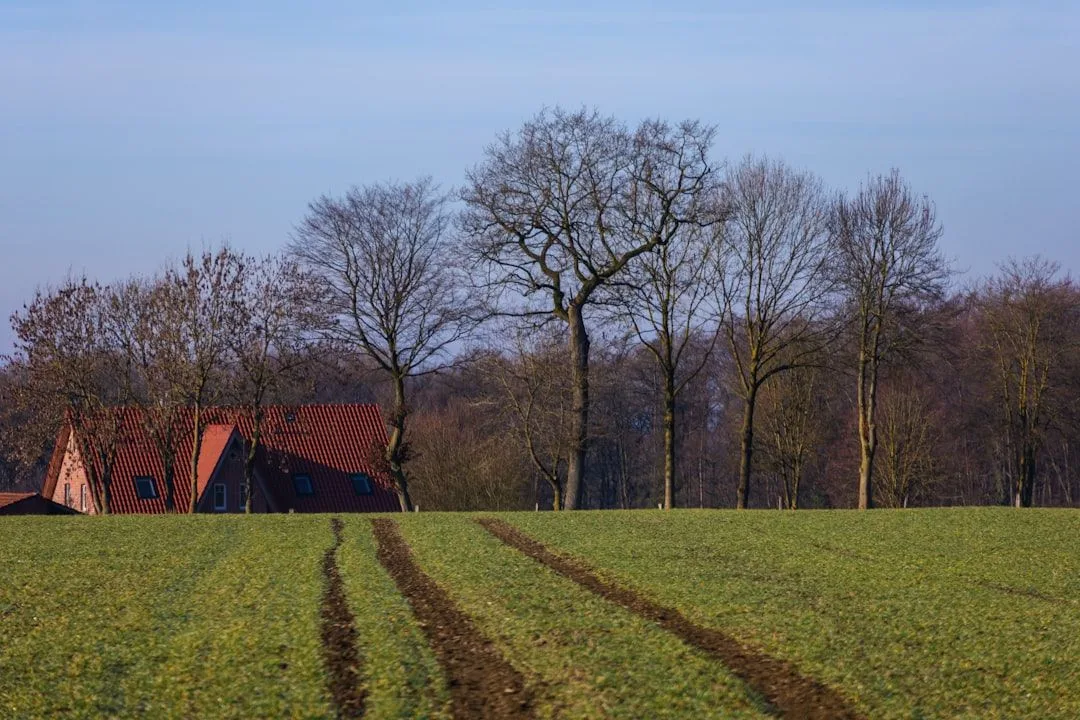
Listings sell on scenery, and scenery is the thing that almost never disappoints — a photograph of a view is one of the few honest images in the industry. What goes wrong is everything else. These are the ten factors, ranked by how often each one is the reason a stay was a disappointment.
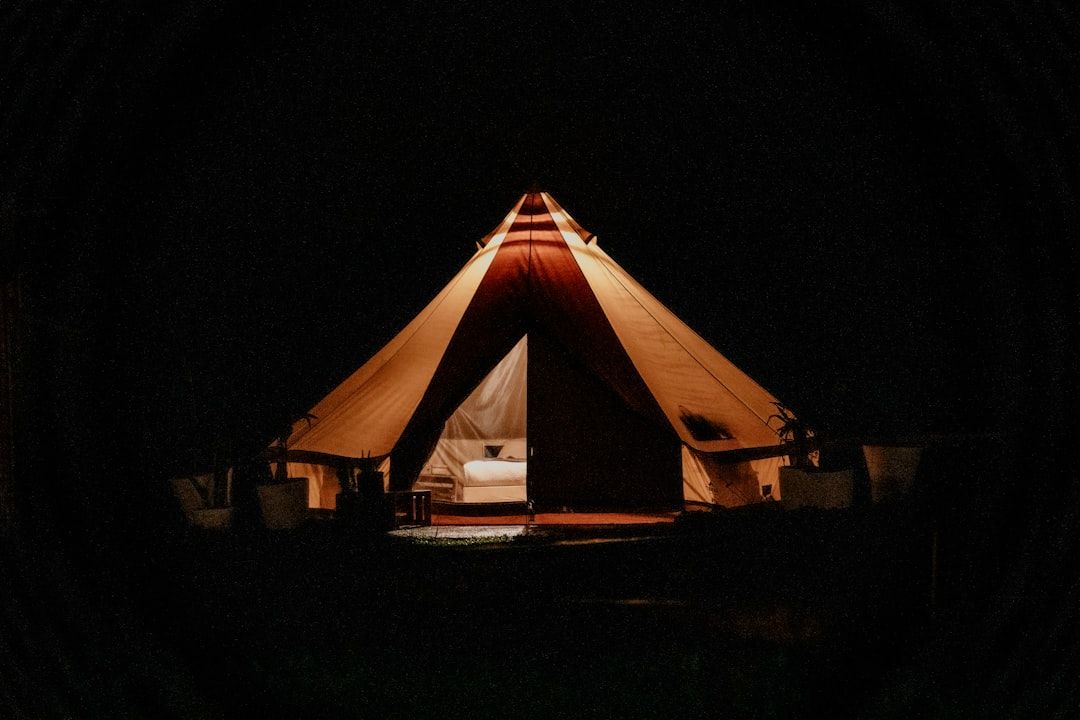
1. The bathroom, and how far away it is
Private and plumbed, private but outside, or shared across the field. Three different holidays sold as one word. Whatever the arrangement, get the distance, and weight it more heavily the colder and wetter your dates are, and the younger your children.
2. Heating, and whether it runs unattended
Not "is there heating" but "what is producing heat at four in the morning". A wood burner is out by then. An electric heater on a thermostat is not. Neither is wrong; the wrong thing is finding out on the first night.
Ask whether firewood is included, and whether there is anywhere to buy it after five.
3. What the ground does when it rains
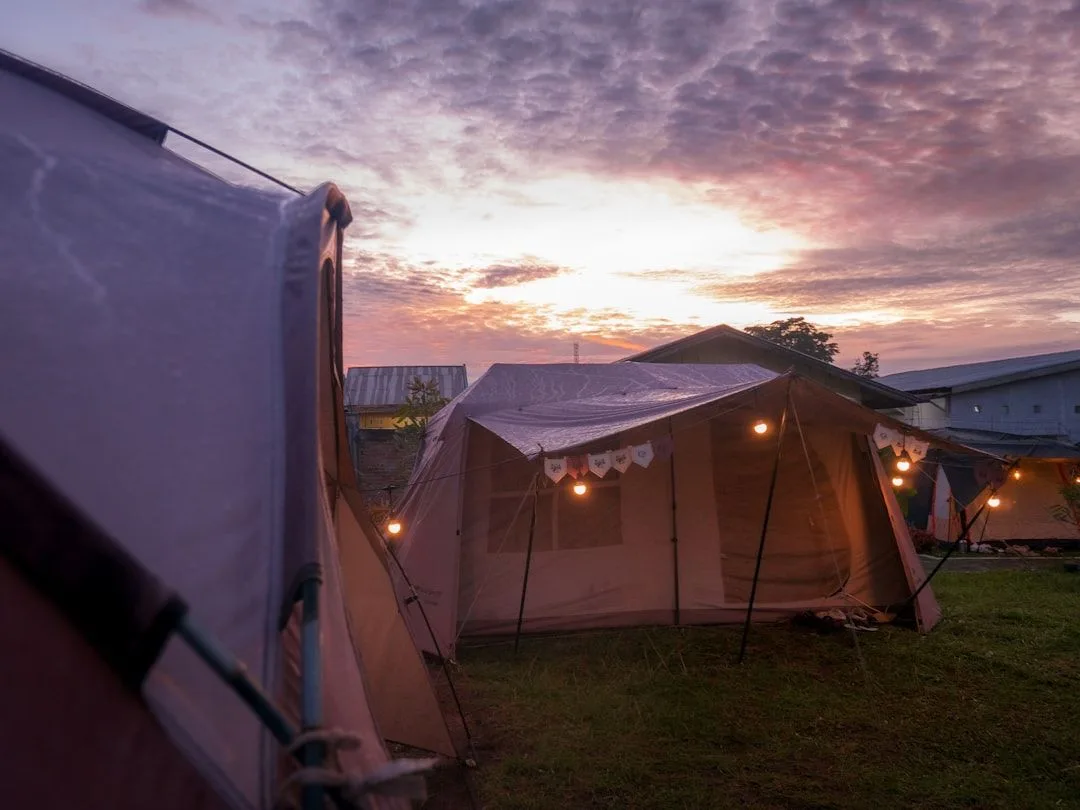
Grass with no path becomes mud, and mud comes indoors. Decking, gravel paths, a boot rack, hardstanding by the car — their presence tells you the site has been through a wet season and responded, which is a good proxy for how it is run generally.
4. How close the neighbours are
Every unit is photographed alone. Look for one wide shot or a site map, and if there is neither, check satellite view. Spacing is the difference between a private field and a caravan park in canvas.
5. The season you are going
This outranks the site itself. A very good place in the wrong month is worse than an ordinary place in the right one, because temperature, daylight and midges set a ceiling on how good the trip can be. Where you have flexibility, choose the month before the site.
6. Food: what is on site and what is near
Whether there is a kitchen, what it actually contains, whether the site sells anything, and how far the nearest shop and pub are — with the crucial detail of what time they stop serving. Arriving at nine with nothing open is the most common first-night mistake.
7. Getting there, and getting in
The drive, obviously, but more importantly the arrival window. Rural sites often lock check-in at five or six because someone must be there to meet you. Also worth knowing: whether the final approach is a farm track, and whether an ordinary car handles it after rain.
8. Shade and orientation, in warm weather
Canvas in direct sun is unusable in the afternoon, and air conditioning in a tent is mostly a marketing claim. Tree cover and which way the tent faces do the real work. In hot climates this rises to the top three.
9. What is actually included
Bedding, towels, firewood, gas, electricity, and whether the hookup can run what you plan to plug into it. On a two-night stay the extras can be a significant share of the total, and they are usually disclosed somewhere other than the headline price.
10. Connectivity, in whichever direction you want it
Some people need signal for work or for feeling safe; others are specifically buying its absence. Either way it is worth knowing rather than discovering. Sites are increasingly honest about this because it has become a selling point in both directions.
The shortcut
If you only ask three questions before booking: how far is the bathroom and is it private, does the heating run overnight, and what is the ground like after rain.
Sites that answer those quickly and specifically are almost always the good ones. The content of the answer matters less than the fact that someone knew it without checking.